









In the field of bioarchaeology, few debates have been as persistent or as contentious as the origins of syphilis. For decades, the presence of congenital lesions in skeletal remains—specifically those indicative of mother-to-child transmission—has served as the "smoking gun" for researchers attempting to map the global spread of venereal syphilis. However, a groundbreaking study led by researchers at Charles Sturt University is now dismantling this diagnostic pillar, suggesting that the medical history of the human race is far more complex than previously assumed.
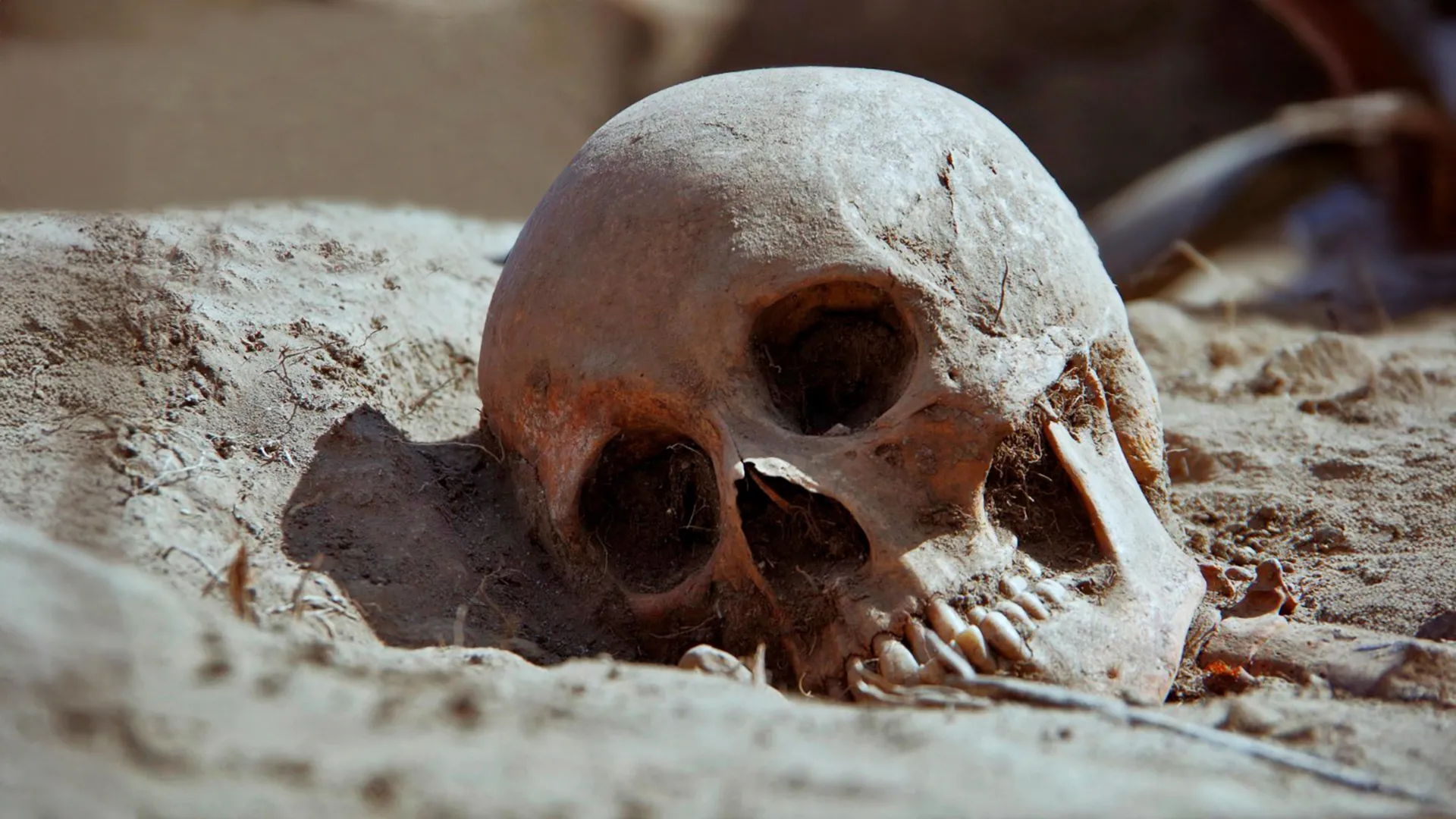
The study, published in the International Journal of Osteoarchaeology, focuses on skeletal remains recovered from prehistoric Vietnam. By examining evidence from children who lived between 4,000 and 3,200 years ago, the international research team has provided compelling evidence that congenital transmission—once thought to be the exclusive domain of venereal syphilis—may actually be a feature of non-venereal treponemal diseases, such as yaws.
The Diagnostic Shift: Challenging the "Syphilis Paradigm"
For the better part of a century, the presence of specific skeletal and dental abnormalities in ancient children has been reflexively categorized by osteoarchaeologists as congenital syphilis. The logic was rooted in a binary understanding of treponemal diseases: if a child showed signs of infection at birth or in early infancy, it was assumed to be the result of a sexually transmitted infection passed from a mother.
This diagnostic framework has heavily influenced the "Columbian Hypothesis"—the widely debated theory that syphilis originated in the Americas and was brought to the Old World by Christopher Columbus’s crew. Whenever researchers found evidence of congenital infection in pre-Columbian sites outside the Americas, it created a paradox that challenged this timeline.
The new research, led by Dr. Melandri Vlok, Lecturer in Anatomy and Physiology at the Charles Sturt School of Dentistry and Medical Science, suggests that this diagnostic shortcut is fundamentally flawed. By analyzing the remains of 309 individuals from 16 archaeological sites across Vietnam, the team identified three children with definitive markers of congenital treponematosis. Crucially, the wider epidemiological context of the site—Man Bac—strongly indicates that the population was suffering from a non-venereal disease, likely yaws, rather than venereal syphilis.
A Chronology of Discovery and Analysis
The path to this discovery involved years of meticulous investigation across Northern and Southern Vietnam, covering a massive temporal span from 10,000 to 1,000 years ago.
- Initial Excavations: The research team, a collaboration between Australian and Vietnamese scholars, focused on the Man Bac site, an area already noted for its high prevalence of treponemal disease.
- The Identification Phase: After examining 309 individuals, the team isolated three juvenile skeletons showing distinct dental malformations and skeletal lesions. These markers are diagnostic of congenital transmission—where the pathogen crosses the placental barrier.
- Contextual Mapping: Researchers mapped the age distribution of the infections. At Man Bac, the infection patterns were overwhelmingly clustered among children and adolescents. In the context of ancient societies, such a distribution is a hallmark of non-venereal transmission, which typically spreads through skin-to-skin contact in communal living environments rather than sexual contact.
- Data Synthesis: By contrasting the clinical markers of congenital infection with the population-level data of non-venereal spread, the team concluded that these children had inherited yaws, not syphilis.
Supporting Data: The Persistence of Treponematosis
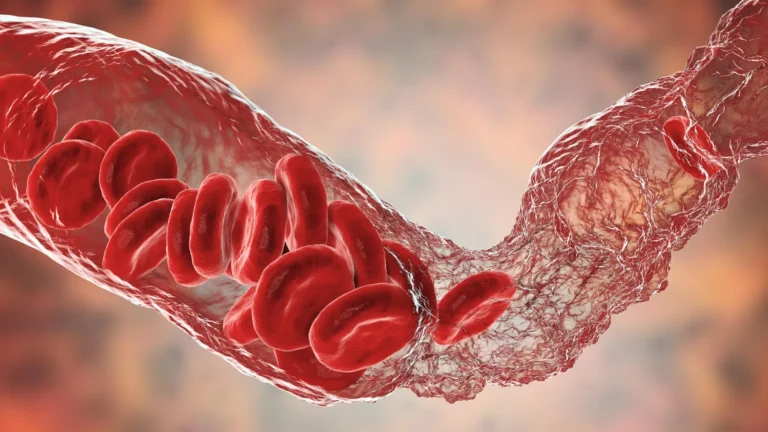
The bacterium Treponema pallidum is remarkably adaptable, manifesting as different diseases depending on environmental and social factors. The study highlights that while syphilis is the most famous member of the treponemal family, it is far from the only one. Yaws, the disease identified as the likely culprit in the Vietnamese remains, remains a major global health concern today, affecting over 150,000 people across tropical regions and causing severe, permanent disability if left untreated.
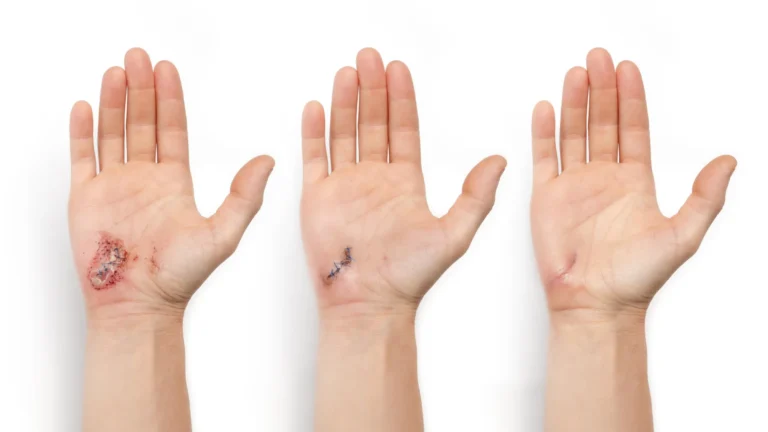
The skeletal evidence found in the three children—specifically the unique damage to teeth (often called "Hutchinson’s teeth" or "mulberry molars" in modern medical contexts) and characteristic lesions on the long bones—provided the physical proof of congenital transmission. However, the absence of other demographic indicators of venereal syphilis forced the team to look beyond the standard diagnostic manual. The findings suggest that the bacteria responsible for yaws are capable of vertical transmission, a behavior previously undervalued in the study of non-venereal treponematosis.
Official Responses and Researcher Perspectives
The implications of this study are sending ripples through the academic community, prompting a re-evaluation of how we interpret the "biography" of ancient remains.
"For decades, congenital infection in archaeological remains has often been taken as strong evidence of venereal syphilis," said Dr. Melandri Vlok. "Our research shows that this assumption may not always hold true. Other treponemal diseases may also have been transmitted from mother to child. If congenital transmission can occur in non-venereal treponematoses, then we need to rethink how we interpret skeletal evidence in the past. Some cases previously labeled as congenital syphilis may represent entirely different diseases."
The study also addresses the mounting ethical and technical challenges facing modern archaeology. Co-lead author Ms. Minh Tran, a PhD student from the University of the Philippines, Diliman, emphasized the difficulties inherent in studying ancient remains in tropical climates.
"In tropical environments, recovering ancient DNA is incredibly difficult, and destructive sampling raises important ethical questions," Tran noted. "Future research must move in new directions working in genuine partnership with communities connected to these remains, considering preservation before any biomolecular work begins."
The Broader Implications for Medical History
This discovery does more than just correct a diagnostic error; it fundamentally shifts the narrative of human disease evolution. If congenital transmission cannot be used as a proxy for syphilis, then the historical record regarding the disease’s origins must be scrubbed of potentially misidentified cases.
Rethinking the "Syphilis Timeline"
The study provides a much-needed cooling-off period for the debate over whether syphilis existed in the Old World prior to the late 15th century. Without clear biological or genetic evidence of pre-Columbian venereal syphilis, and with the growing realization that congenital markers can be "masked" by other treponemal infections, the scientific community may need to accept that the history of the disease is more diffuse and less geographically isolated than previously thought.
The Complexity of Pathogen Evolution
Dr. Vlok’s team argues that the focus should shift away from a "treasure hunt" for the origin of syphilis and toward a more holistic study of how Treponema bacteria have co-evolved with human civilization. Environmental changes, population density, and social hygiene practices all influence which form of treponemal disease thrives.
Addressing Contemporary Climate and Health
The relevance of this study is not limited to the past. As the global climate shifts, diseases like yaws are beginning to re-emerge in certain regions. Understanding that these pathogens have a "complex history" is not merely an academic exercise—it is essential for modern epidemiological surveillance. By understanding how these bacteria adapted to ancient humans, we gain insight into how they might adapt to current human populations under the pressures of a changing environment.
Conclusion: A New Path Forward
The research led by Dr. Vlok and her colleagues represents a significant maturation in the field of osteoarchaeology. By moving away from rigid, legacy assumptions and embracing the biological nuance of ancient diseases, the team has opened a door to a more accurate understanding of the human past.
As the study concludes, the history of infectious disease is written in the bones of our ancestors, but it is a complex, often illegible script. By acknowledging the adaptability of Treponema pallidum and the limitations of current diagnostic techniques, researchers are finally beginning to piece together a story that is as diverse as the human populations that carried these diseases through the millennia. Future studies will undoubtedly require a more rigorous, multidisciplinary approach—one that balances the necessity of scientific discovery with the ethical imperatives of working with human remains, ensuring that the lessons of the past continue to inform, rather than obscure, the medical realities of the future.