











The landscape of sleep medicine is poised for its most significant regulatory transformation in nearly two decades. As of January 1, 2027, the Centers for Medicare & Medicaid Services (CMS) will implement a restructured family of Current Procedural Terminology (CPT) codes for unattended sleep testing. This shift marks a departure from the device-centric billing models of the past, moving toward a complexity-based framework that prioritizes the actual physiological data acquired and reviewed by clinicians.
For sleep centers, pulmonologists, and neurologists, this change is not merely an administrative update; it is a fundamental reconfiguration of how sleep diagnostic services are valued and reported. With the public comment period having concluded and the industry bracing for the final implementation, the transition represents a concerted effort to align reimbursement with the realities of modern, multi-modal diagnostic technology.
The Chronology of Change: From 2008 to 2027
To understand the magnitude of this transition, one must look at the legacy of the current coding structure. The existing codes—95800, 95801, and 95806—were established in 2008. At that time, home sleep testing (HST) was largely viewed as a binary diagnostic tool intended solely to confirm the presence or absence of obstructive sleep apnea (OSA).
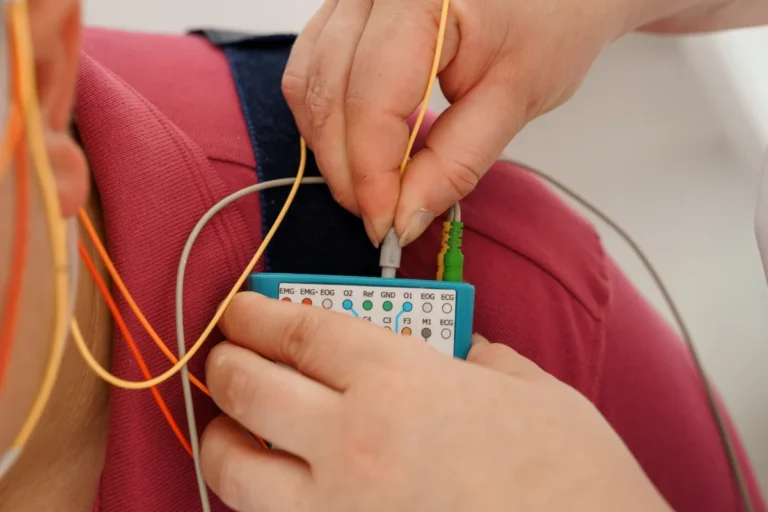
However, the last 18 years have witnessed an explosion in diagnostic sophistication. Modern devices now offer capabilities far beyond basic airflow and pulse oximetry, including mandibular jaw movement tracking, cardiac rhythm analysis, and advanced sleep-wake staging. The old codes, which tethered reimbursement to specific hardware types, proved increasingly unable to capture the clinical value of these advancements.
Following years of advocacy and collaborative effort between the American Academy of Sleep Medicine (AASM) and various specialty societies, CMS signaled its intent to modernize this framework. On July 16, 2026, the proposed rule was published in the Federal Register. Following an intense period of industry review and public commentary, the new code set was finalized for a January 1, 2027, rollout, effectively sunsetting the 2008-era protocols.
Deconstructing the Complexity Tiers
The cornerstone of the 2027 framework is the decoupling of billing from the specific "box" or device brand used. Instead, the coding is stratified into three tiers based on the complexity of the study performed. This move ensures that the reimbursement is commensurate with the effort, technical acquisition, and clinical analysis involved in the interpretation.
The Three-Tier Framework
While the specific numeric codes are being finalized in the upcoming AMA CPT Manual, the structure is bifurcated into technical and professional components across three levels:
- Low Complexity: Primarily used for straightforward screening and basic diagnostic requirements where minimal physiological parameters are needed to reach a clinical conclusion.
- Moderate Complexity: Involves the acquisition and review of a broader range of signals, potentially integrating secondary measures like cardiac rhythm or more granular respiratory effort data.
- High Complexity: Reserved for the most comprehensive studies, likely involving multi-channel integration, advanced sleep staging, and the analysis of complex parameter categories required for difficult-to-diagnose cases or comorbid conditions.
Dr. Vikas Jain, an AASM CPT advisor, has been vocal about the importance of shifting the mindset away from the hardware. "You could have a device capable of measuring 12 channels, but you only use five," Dr. Jain notes. "Follow the study; do not follow the hardware. The critical question for the provider is: What channels can I prove that I acquired, reviewed, and used?"
Official Responses and Industry Reception
The response from the sleep medicine community has been one of cautious optimism. Stakeholders ranging from independent sleep practices to major diagnostic manufacturers generally view the move as a necessary evolution.
The Perspective of Manufacturers
Device manufacturers are largely supportive, as the new structure rewards modularity. Fred Turkington, senior vice president of product management at EnsoData, emphasized that a modular system allows practices to adapt to the specific needs of a patient without being locked into a rigid billing tier. "Being an AI and software company with a modular system allows us the flexibility to make sure that we can work with sleep practices at whichever complexity level they think is most appropriate for a given patient," Turkington explains.
Similarly, Etai Amitai of ZOLL Itamar highlights the importance of the provider’s role in this ecosystem. He warns that simply owning a high-tech device is insufficient for high-complexity billing. "To qualify for higher complexity codes, it is not sufficient for the device to measure additional channels," Amitai says. "The provider needs to score and interpret a sufficient number of parameters and capture enough parameter categories."
The Physician’s View
Clinicians, such as Dr. Amy Aronsky, see the split between technical and professional components as a major win for operational efficiency. By separating the technical setup from the physician’s interpretation, the new system mirrors the billing structures already common in radiology and cardiology. This allows for a more "divide and conquer" approach, where hospitals might manage the technical acquisition while independent sleep specialists provide the diagnostic oversight.
Financial Implications and Valuation Concerns
Despite the broad support for the concept of the change, there is significant friction regarding the valuation of the codes. The Relative Value Scale Update Committee (RUC) recommended specific work relative value units (RVUs), but CMS has proposed lower figures for the high-complexity professional codes.
CMS justified these lower valuations by comparing the service to existing ophthalmological codes, a move that the AASM and other professional societies argue fails to account for the intensity and specialized training required for high-level sleep interpretation. There is also anxiety regarding the "technical gap." If the technical reimbursement for moderate-complexity studies is not appropriately scaled relative to low- and high-complexity options, it could inadvertently discourage the use of mid-tier testing, potentially skewing diagnostic practices in ways that do not benefit patient care.
Preparing for the Transition: A Call to Action
With the January 1 deadline, the administrative burden on sleep centers is significant. Industry experts suggest that the most common point of failure in such transitions is complacency.
Adam Nager, CEO of Quest National Billing, advises that practices should treat the transition as a multi-stage project. "What typically happens is everybody forgets," Nager warns. "If a home sleep test is filed with the same code on January 6 as it was on December 15, a denial will result. Then February 1 rolls around, and the sleep center is wondering why their cash flow is deficient."
Recommended Preparatory Steps for Practices:
- Workflow Audit (By Dec 15): Map current diagnostic protocols against the new complexity tiers. Identify which specific patient workflows align with Low, Moderate, or High complexity.
- Software Update: Ensure that Electronic Health Record (EHR) and billing software are updated to accommodate the new code sets.
- Revenue Cycle Monitoring: Establish a 15-minute weekly billing performance review starting in early January. Track claim volume, payment rates, and, most importantly, the denial rate for the new codes.
- Vendor Coordination: Request written documentation from hardware manufacturers clarifying which channels are "billable" versus "marketing" metrics to avoid audit triggers.
Conclusion: A More Transparent Future
The 2027 coding overhaul is an admission that the field of sleep medicine has outgrown its legacy infrastructure. By focusing on the clinical value of the data rather than the physicality of the hardware, the new codes offer a more transparent and defensible way to bill for services.
While administrative challenges, potential reimbursement gaps, and the ambiguity surrounding "derived channels" remain points of friction, the consensus is clear: the industry is moving toward a more modern, flexible, and clinically relevant model. As the American Medical Association releases its final guidance and the October 2026 final rule solidifies the specifics, sleep practices that invest the time in administrative preparation today will be the ones that thrive in the new, complexity-based landscape of tomorrow.
For now, the advice from the AASM remains prudent: stay informed, attend upcoming webinars, and resist the temptation to rely on non-authoritative interpretations until the final, definitive guidelines are published. The future of sleep diagnostics is almost here, and it is defined by the quality of the interpretation, not just the quality of the machine.