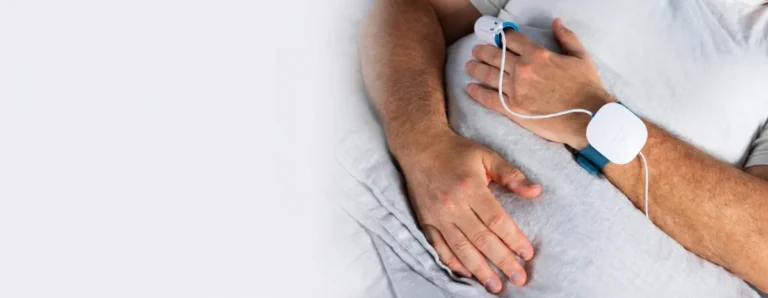






In the quest to understand why so many Americans toss and turn, researchers have traditionally relied on two distinct, often conflicting, methods: asking people how they slept or monitoring them with high-tech sensors. Rarely have these two worlds—subjective perception and objective reality—collided in a meaningful way. That changed this week with the release of a landmark report by the National Sleep Foundation (NSF) and Tempur-Pedic.
Titled "Two Views of the Night: Consumer Reported Sleep Insights Paired with Smart Bed Data," the report represents a monumental shift in sleep science. By cross-referencing survey data from a representative sample of U.S. adults with objective, sensor-based metrics from over 190 million nights of sleep, the researchers have created what is arguably the most comprehensive diagnostic of the nation’s nocturnal habits to date.
The Main Facts: Bridging the Gap Between Feeling and Fact
For decades, sleep science has struggled with the "subjectivity gap." A patient might report feeling well-rested despite having fragmented sleep, or conversely, feel exhausted despite logging the recommended eight hours. By integrating subjective self-reports with data from Tempur-Pedic beds equipped with Sleeptracker-AI technology, the NSF has successfully bridged this divide.
The core finding is as sobering as it is unsurprising: Americans are not getting the quality or duration of sleep they need to function at their peak. The report identifies a consistent trend where biological sleep cycles are routinely disrupted by environmental and psychological stressors. While the data confirms that sleep duration remains an issue, the "quality" of that duration is being eroded by modern lifestyle factors, ranging from ambient noise and temperature fluctuations to the persistent "racing mind" phenomenon.
A Chronology of Research: How the Data Was Synthesized
The assembly of this report was a multi-phased endeavor that spanned thousands of hours of data collection and rigorous analysis.
- Phase One: The Subjective Survey: The National Sleep Foundation initiated a comprehensive national survey, canvassing a wide cross-section of U.S. adults. This portion of the study focused on the "lived experience"—how individuals perceive their sleep quality, their bedtime routines, and their daytime alertness.
- Phase Two: The Objective Collection: Simultaneously, the research team tapped into a massive repository of data: 190 million nights of sleep monitored by Sleeptracker-AI. This technology, embedded within smart mattresses, tracks sleep stages, movement, and physiological markers without the need for wearable devices, which can sometimes alter sleep patterns.
- Phase Three: The Synthesis: In the final phase, researchers mapped the survey responses against the objective metrics. This allowed the team to see, for instance, how closely a person’s self-reported "good night" matched their actual sleep architecture (the time spent in REM, light, and deep sleep).
- Phase Four: Validation: The final results were audited to ensure that the findings were not outliers but reflected the broader, systemic trends currently impacting the American population.
Supporting Data: What the Sensors Reveal
The objective data provided by the Sleeptracker-AI technology offers a granular look at the night that the human brain simply cannot track. While a person might remember waking up once, the sensors reveal the reality of multiple, imperceptible "micro-arousals" caused by environmental factors.
The Role of Environmental Disruptors
The report highlights three primary culprits in the degradation of sleep quality:
- Temperature: The data indicates that sleep continuity is highly sensitive to room and body temperature. When the environment falls outside the optimal thermal comfort zone, deep sleep—the most restorative stage—is significantly truncated.
- Environmental Noise: Even in "quiet" homes, ambient noise levels are high enough to trigger cardiovascular responses that shift a sleeper from deep sleep to a lighter stage, without necessarily causing a full awakening.
- Physical Discomfort: The correlation between body support and sleep cycles was clear. The data showed that individuals utilizing adaptive support technology maintained longer periods of uninterrupted sleep compared to those in traditional configurations.
The "Racing Mind" Phenomenon
Perhaps the most intriguing finding is the prevalence of cognitive interference. Even when the physical environment is optimized, a significant percentage of the population reports being unable to "switch off." This subjective feeling of a racing mind was perfectly mirrored by the objective data, which showed delayed sleep onset latency (the time it takes to fall asleep) and increased fragmentation during the first half of the night.
Official Responses: Insights from the Experts
The release of the report has drawn significant attention from industry leaders who believe that the synthesis of these data sets is the future of sleep health.
John Lopos, CEO of the National Sleep Foundation, emphasized the credibility that this dual-methodology brings to the table. "Any alignment between lived experiences and tracker data can give us a far more complete and credible picture of the nation’s sleep health and beyond," Lopos stated. He argued that by moving away from isolated studies, researchers can finally begin to offer personalized, data-backed advice rather than generalized sleep hygiene tips.
Jill Johnson, vice president of the Tempur-Pedic brand, echoed these sentiments, focusing on the practical applications for product development. "Better sleep starts with understanding what is disrupting sleep throughout the night," Johnson noted. "By analyzing millions of nights of sleep, alongside data from the National Sleep Foundation, we gain insights into the factors that impact sleep quality and use those learnings to design products that help people achieve more restorative sleep."
Implications for the Future of Sleep Health
The findings of the "Two Views of the Night" report carry profound implications for how we approach public health and personal wellness.
Moving Beyond the "Eight-Hour Myth"
For years, the gold standard for sleep has been a blanket recommendation of eight hours. This report suggests that the focus must shift from duration to continuity and depth. A person might log eight hours of fragmented sleep and feel worse than someone who logs six hours of high-quality, uninterrupted rest. Public health messaging may need to evolve to prioritize the "architecture" of sleep over the mere quantity of time spent in bed.
The Rise of Data-Driven Sleep Hygiene
As consumers gain access to more sophisticated tracking tools, the gap between what they think they are doing and what they are actually doing will continue to close. This report sets a precedent for how that data should be interpreted. It suggests that individuals should use objective data to identify their unique triggers—whether that is a specific room temperature or a time-of-day habit—and adjust accordingly.
Personalized Sleep Architecture
The ultimate goal, as hinted by the contributors, is the move toward a more personalized approach. If we know that millions of people struggle with sleep due to specific, common disruptions, we can develop adaptive environments—smart beds, climate-controlled environments, and digital sleep aids—that react to the sleeper in real-time. The report provides the blueprint for these technologies to become more than just luxury items, but essential tools for long-term health.
Conclusion: A Turning Point in Sleep Science
The "Two Views of the Night" report is more than just a collection of statistics; it is a wake-up call regarding the fragility of modern rest. By proving that our internal perceptions and our physiological realities are inextricably linked, the National Sleep Foundation and Tempur-Pedic have provided a new framework for understanding the American sleep crisis.
As we look toward the future, the integration of subjective and objective data will likely become the standard for all health-related research. For now, the report serves as a reminder that while we may feel like we understand our sleep, the data suggests there is still much to learn. By acknowledging the disconnect between how we feel and how we sleep, we take the first step toward reclaiming the restorative power of the night. Whether through better environmental controls or a more nuanced understanding of our own circadian rhythms, the path to better sleep is finally being illuminated by the very data that has been hiding in our bedrooms all along.