








Chronic wounds—those that refuse to heal despite weeks or months of standard medical care—represent one of the most silent yet devastating global health crises of the modern era. From the persistent diabetic foot ulcer to the agonizing pressure injury, these wounds do more than cause pain; they act as gateways to systemic infection, limb amputation, and a profound loss of quality of life.
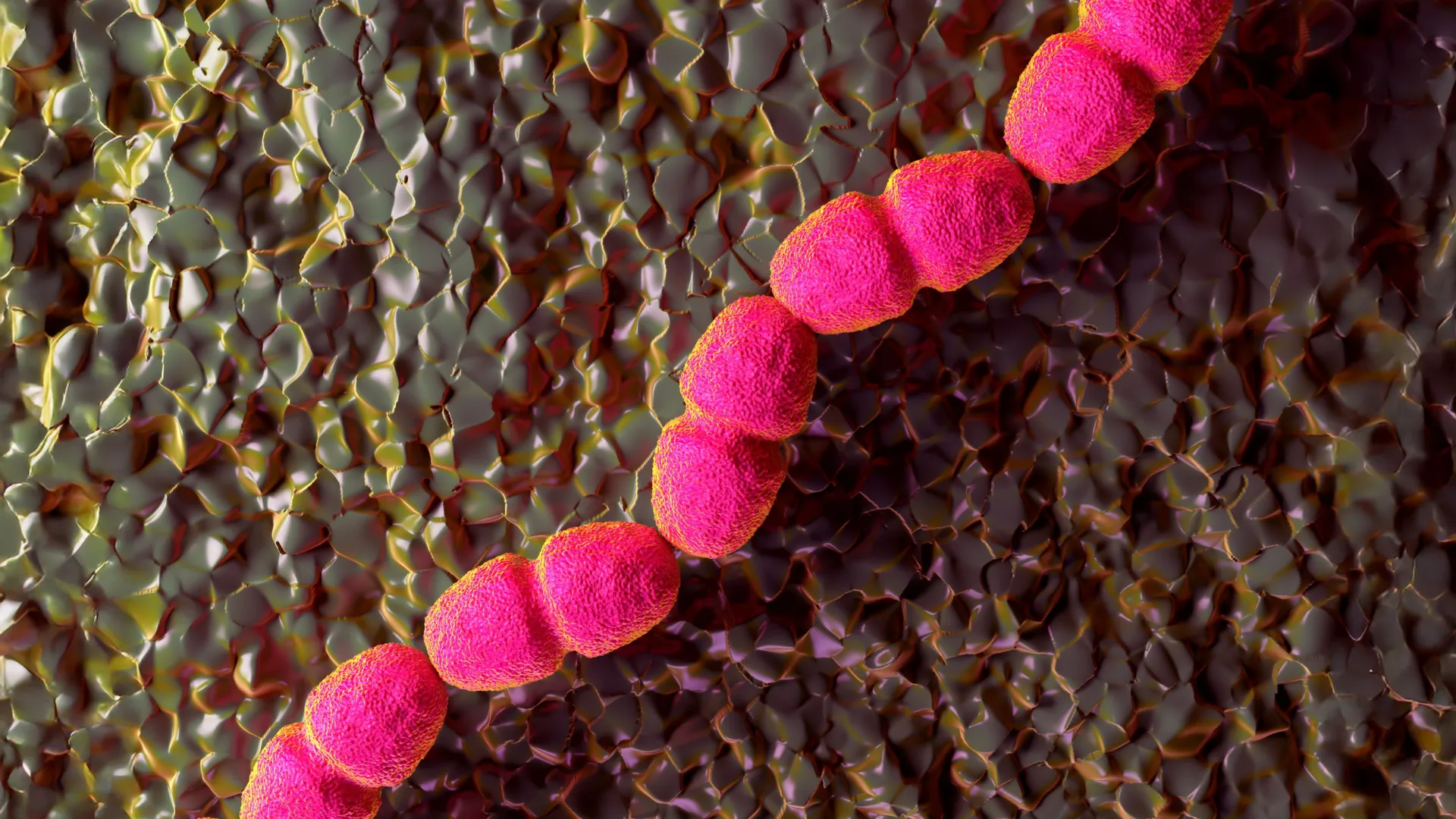
Now, an international research team led by Nanyang Technological University, Singapore (NTU Singapore), in collaboration with the University of Geneva, has unveiled a breakthrough that could fundamentally shift how medicine approaches these stubborn infections. By identifying a specific metabolic "weapon" used by the bacterium Enterococcus faecalis (E. faecalis) to hijack human skin cells, the researchers have moved beyond the traditional—and increasingly failing—strategy of antibiotic bombardment. Instead, they propose a novel therapeutic path: neutralizing the bacterial byproduct that effectively paralyzes the body’s natural repair mechanisms.
The Global Burden of Non-Healing Wounds
The scale of the problem is staggering. According to recent health data, approximately 18.6 million people globally suffer from diabetic foot ulcers annually. For the millions living with diabetes, the lifetime risk of developing such an ulcer is as high as one in three. In Singapore, the statistics mirror a broader, aging global population; more than 16,000 cases of chronic wounds—including pressure injuries and venous leg ulcers—are reported each year.
These wounds are not merely skin-deep. They are often trapped in a cycle of chronic inflammation and recurrent infection. When a wound fails to close, it remains an open invitation for opportunistic pathogens. This leads to a vicious cycle: the infection prevents healing, and the lack of healing provides an ideal environment for the infection to flourish. For many patients, particularly the elderly or those with underlying metabolic conditions, the final outcome is often a lower-limb amputation, a life-altering surgery that carries its own set of long-term health complications.
Decoding the Enemy: How E. faecalis Sabotages Repair
For decades, the medical community has understood that bacterial presence slows wound healing. However, the precise biological mechanism behind this phenomenon remained elusive. The study, published in the prestigious journal Science Advances, provides a definitive answer: E. faecalis does not just passively inhabit the wound; it actively sabotages the host’s ability to recover.
Led by Associate Professor Guillaume Thibault of NTU’s School of Biological Sciences and Professor Kimberly Kline of the University of Geneva (who also serves as a visiting professor at the Singapore Centre for Environmental Life Sciences and Engineering), the team investigated the metabolic behavior of E. faecalis.
Unlike many other pathogens that rely on secreting toxic proteins to damage tissue, E. faecalis employs a more subtle, metabolic form of warfare. The researchers discovered that the bacteria utilize a process known as extracellular electron transport (EET). Through this metabolic pathway, the bacteria continuously release hydrogen peroxide—a reactive oxygen species (ROS)—directly into the wound microenvironment.
The Mechanism of Cellular Paralysis
The introduction of hydrogen peroxide creates an environment of intense oxidative stress for the human skin cells responsible for repair, known as keratinocytes. Under normal circumstances, keratinocytes are dynamic cells; they must migrate across the wound bed to form new tissue and seal the injury.
However, the oxidative stress induced by E. faecalis triggers a defensive, yet ultimately detrimental, reaction in these cells: the "unfolded protein response." While this response is intended to help a cell manage protein damage and recover, the continuous barrage of hydrogen peroxide from the bacteria forces the cells into a state of chronic stress. This effectively "paralyzes" the keratinocytes, stripping them of their ability to migrate. The wound remains open because the very cells tasked with closing it have been placed in a state of suspended animation.
A Paradigm Shift: Moving Beyond Antibiotics
The discovery is particularly significant given the growing specter of antimicrobial resistance (AMR). Some strains of E. faecalis have evolved to become resistant to multiple frontline antibiotics, rendering standard clinical treatments ineffective. When antibiotics fail, doctors are often left with few options other than debridement or, in severe cases, amputation.
The NTU-led team suggests that the answer may not be to kill the bacteria at all, but to neutralize the chemical weapon they use. By conducting laboratory experiments using catalase—a naturally occurring antioxidant enzyme capable of breaking down hydrogen peroxide—the researchers successfully lowered cellular stress levels. Once the oxidative stress was removed, the keratinocytes regained their mobility and resumed the process of wound closure.
"Our findings show that the bacteria’s metabolism itself is the weapon, which was a surprise finding previously unknown to scientists," said Associate Professor Thibault. "Instead of focusing on killing the bacteria with antibiotics, which is becoming increasingly difficult and leads to future antibiotic resistance, we can now neutralize it by blocking the harmful products it generates and restoring wound healing."
Implications for Clinical Practice
The implications of this study are far-reaching. By targeting the byproduct of the bacteria rather than the bacteria themselves, this approach sidesteps the evolutionary pressures that drive antibiotic resistance. Since the bacteria are not being directly targeted, they are less likely to develop resistance to the treatment, making it a potentially sustainable, long-term solution.
Future Wound Care: The "Smart" Dressing
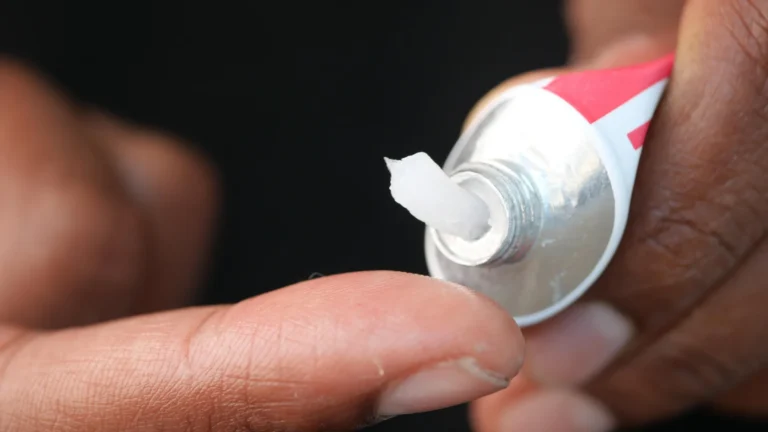
The research team is already looking toward the practical application of their findings. The most immediate pathway to clinical utility involves the development of advanced wound dressings infused with antioxidants like catalase. Such dressings would act as a protective barrier, actively scrubbing the wound environment of harmful hydrogen peroxide while allowing the body’s natural healing mechanisms to take over.
Because catalase is a well-understood, naturally occurring enzyme, the path toward regulatory approval for clinical use may be significantly shorter than that required for the development of entirely new classes of antibiotics. This "repurposing" of known biochemical tools represents a lean, efficient strategy for addressing the backlog of chronic wound patients.
A Chronology of Discovery
The journey to this discovery began with the identification of a fundamental gap in wound care: why do some wounds persist despite the administration of antibiotics?
- Phase 1 (Observation): Researchers identified that E. faecalis was consistently present in non-healing wounds and that these wounds displayed high levels of oxidative stress.
- Phase 2 (Mechanistic Study): Through genetic manipulation, the team isolated the EET pathway. They confirmed that bacteria lacking this specific metabolic pathway were unable to produce the hydrogen peroxide necessary to block wound closure.
- Phase 3 (Cellular Validation): Using human keratinocytes, the team demonstrated the link between hydrogen peroxide, the unfolded protein response, and the loss of cell mobility.
- Phase 4 (Therapeutic Testing): The application of catalase successfully reversed the cellular paralysis, proving that neutralizing the metabolic byproduct is sufficient to restart the healing process.
Toward Human Clinical Trials
While the results are compelling, the team remains rigorous in their next steps. The current findings provide a robust model for human physiology, but the researchers are now moving into animal models to determine the most effective delivery systems for these antioxidant-based therapies.
The goal is to transition into human clinical trials, where they will test whether topical applications of antioxidants can transform the clinical prognosis for patients with long-standing diabetic foot ulcers. If successful, this research will mark a major victory in the fight against chronic wounds, providing clinicians with a powerful, non-toxic, and resistance-proof tool to restore health and prevent the trauma of amputation.
In the broader context of medical research, the study serves as a potent reminder that understanding the metabolic dialogue between pathogens and host cells can often reveal solutions that are hidden in plain sight. By pivoting from "kill" to "neutralize," the researchers have provided a glimmer of hope for millions currently navigating the long, difficult road of chronic wound recovery.