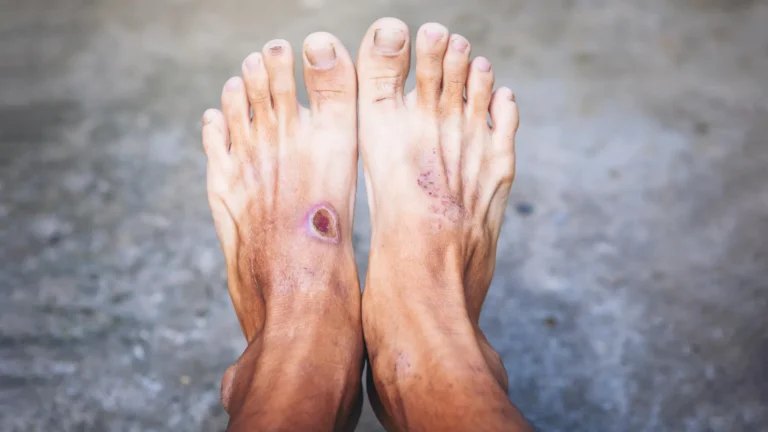









Chronic diabetic wounds—specifically diabetic foot ulcers (DFUs)—represent one of the most debilitating and persistent complications associated with the global diabetes epidemic. For millions, these wounds are not merely surface injuries; they are persistent, life-altering conditions that resist conventional medical intervention, often leading to prolonged hospitalization, systemic infection, and, in severe cases, amputation.
However, a landmark study recently published in the journal Burns & Trauma by a team of researchers from prominent Chinese medical institutions may have finally identified a way to "unlock" the healing process. By leveraging the intersection of molecular biology and advanced materials science, the researchers have developed a bioactive hydrogel dressing capable of overriding the biological mechanisms that keep diabetic wounds in a state of permanent stagnation.
The Biological Obstacle: Why Diabetic Wounds Won’t Heal
To understand the magnitude of this breakthrough, one must first understand the pathophysiology of a diabetic wound. In a healthy individual, the body orchestrates a complex, multi-stage dance of inflammation, cell proliferation, and tissue remodeling to close a wound. A cornerstone of this process is angiogenesis—the formation of new blood vessels. Without an adequate blood supply, skin cells cannot receive the oxygen and nutrients necessary to migrate and regenerate.
In diabetic patients, this process is fundamentally broken. Chronic hyperglycemia induces a state of persistent oxidative stress and inflammation, which triggers the overproduction of specific inhibitory proteins. Among the most notorious is thrombospondin-1 (TSP-1).
TSP-1 acts as a "molecular brake" on angiogenesis. In high-glucose environments, endothelial cells—the cells that line the interior surface of blood vessels—experience a massive surge in TSP-1 expression. This effectively suppresses their ability to proliferate and migrate, leaving the wound site starved of the vascular network it needs to survive. For years, clinicians have struggled to find a way to silence this inhibitory signal without causing systemic side effects.
Chronology: A New Era of Regenerative Medicine
The development of this new therapeutic system did not happen overnight. It represents the culmination of years of focused research into the regulatory roles of microRNAs (miRNAs) and the refinement of biocompatible hydrogel scaffolding.
Phase 1: Identifying the Target (The Molecular Foundation)
The research team began by investigating the molecular footprint of endothelial cells in diabetic conditions. Through rigorous screening, they identified miR-221-3p as a potent regulator of TSP-1. They hypothesized that by artificially increasing the presence of this specific microRNA, they could "silence" the TSP-1 gene, effectively removing the barrier to blood vessel formation.
Phase 2: Engineering the Delivery System (The sEV Innovation)
Directly injecting miRNAs into a wound is inefficient, as they are often degraded by enzymes before they can reach their target. To solve this, the team engineered small extracellular vesicles (sEVs)—tiny, natural lipid-bound particles that act as biological couriers—to overexpress miR-221-3p (miR-221OE-sEVs). These vesicles act as precision-guided missiles, designed to enter cells and release their genetic cargo.
Phase 3: Creating the Scaffold (The GelMA Hydrogel)
To ensure the vesicles were not flushed away by wound exudate, the researchers encapsulated them within a GelMA (gelatin methacryloyl) hydrogel. GelMA is a gold standard in tissue engineering because it mimics the natural extracellular matrix of human skin, providing a structural environment that is both biocompatible and supportive of cell growth.
Phase 4: Validation (The Animal Trials)
Once the composite dressing was finalized, it was tested in a diabetic mouse model. The results were startling. Over a period of 12 days, the treated wounds displayed a 90% closure rate, significantly outpacing control groups treated with standard dressings. Histological analysis confirmed a dense, well-organized network of new blood vessels, validating the team’s hypothesis that silencing TSP-1 could re-initiate the healing cascade.
Supporting Data: By the Numbers
The quantitative outcomes of the study provide a compelling argument for the efficacy of this dual-modality approach:
- 90% Wound Closure: Within the 12-day observation window, the experimental group achieved near-total closure, whereas control groups showed significantly higher rates of necrotic tissue and lack of vascularization.
- Targeted Downregulation: The miR-221OE-sEVs demonstrated a high degree of specificity, significantly reducing the protein expression of TSP-1 in the local wound microenvironment without observable systemic interference.
- Enhanced Vascularization: Micro-CT and immunofluorescence imaging confirmed a marked increase in CD31-positive cells—a standard marker for healthy blood vessel formation—indicating that the dressing successfully stimulated deep-tissue angiogenesis.
- Sustained Release: The GelMA hydrogel acted as a reservoir, providing a slow, controlled release of the sEVs over the duration of the healing process, which is critical for long-term wound management.
Official Responses and Expert Perspectives
Dr. Chuan’an Shen, one of the lead investigators, emphasized that this project represents more than just a new bandage; it represents a fundamental shift in how we treat metabolic tissue damage.
"Our results demonstrate the power of combining advanced tissue engineering with molecular biology," Dr. Shen noted. "By targeting TSP-1 with miR-221OE-sEVs encapsulated in GelMA, we’ve not only improved endothelial cell function but also ensured a sustained and localized therapeutic effect. The synergy between the physical scaffold and the molecular payload is what makes this approach so potent."
Industry experts observing the study have pointed to the modularity of the design. Because the hydrogel can be adjusted for stiffness and degradation rate, and because the sEVs can be loaded with different microRNA "cocktails," the platform could theoretically be adapted to address other stubborn medical challenges, such as chronic ulcers in patients with peripheral arterial disease (PAD) or even ischemic tissue injuries.
Implications for Future Clinical Practice
The implications of this research extend far beyond the laboratory. As the global prevalence of diabetes continues to climb, the healthcare system is facing an impending crisis regarding the cost and management of chronic wound care.
A New Standard of Care
Current treatments for diabetic foot ulcers—such as offloading, debridement, and expensive growth-factor gels—often yield inconsistent results. A "smart" dressing that actively reprograms the wound environment to favor healing could reduce the frequency of dressing changes, decrease the risk of infection, and, most importantly, prevent the need for limb amputation.
Regenerative Medicine Beyond Diabetes
The study also suggests a broader utility in the field of regenerative medicine. The ability to control angiogenesis via miRNA-loaded hydrogels is a "holy grail" for tissue engineers. If this technology can successfully grow blood vessels in the hostile environment of a diabetic wound, it may also be used to accelerate the integration of bone grafts, facilitate cartilage repair, or improve the survival rate of transplanted skin flaps in plastic and reconstructive surgery.
The Road to Clinical Trials
While the results in murine models are highly encouraging, the researchers acknowledge that the journey to the clinic is just beginning. Future research must focus on the large-scale production of engineered sEVs, ensuring their stability under various storage conditions, and conducting rigorous safety trials to confirm the long-term biological effects of the miR-221-3p treatment in human subjects.
Funding and Collaborative Recognition
The success of this study was made possible through the support of the Beijing Natural Science Foundation (7244411) and the Independent Innovation Science Fund of The Fourth Medical Center of the PLA General Hospital (2024-4ZX-MS-06, 2024-4ZX-MS-07, 2024-4ZX-MS-09). This multi-institutional collaboration highlights the importance of interdisciplinary teams—combining surgeons, molecular biologists, and material scientists—to solve the most complex medical puzzles of our time.
In conclusion, while the battle against diabetic complications is far from over, this innovative fusion of extracellular vesicle technology and hydrogel science offers a beacon of hope. By addressing the root molecular causes of delayed healing, researchers are moving closer to a future where chronic, non-healing wounds are a manageable condition rather than a life-defining disability.