










EDITOR’S NOTE: This story includes discussion of suicide. If you or someone you know needs help, the national suicide and crisis lifeline in the U.S. is available by calling or texting 988.
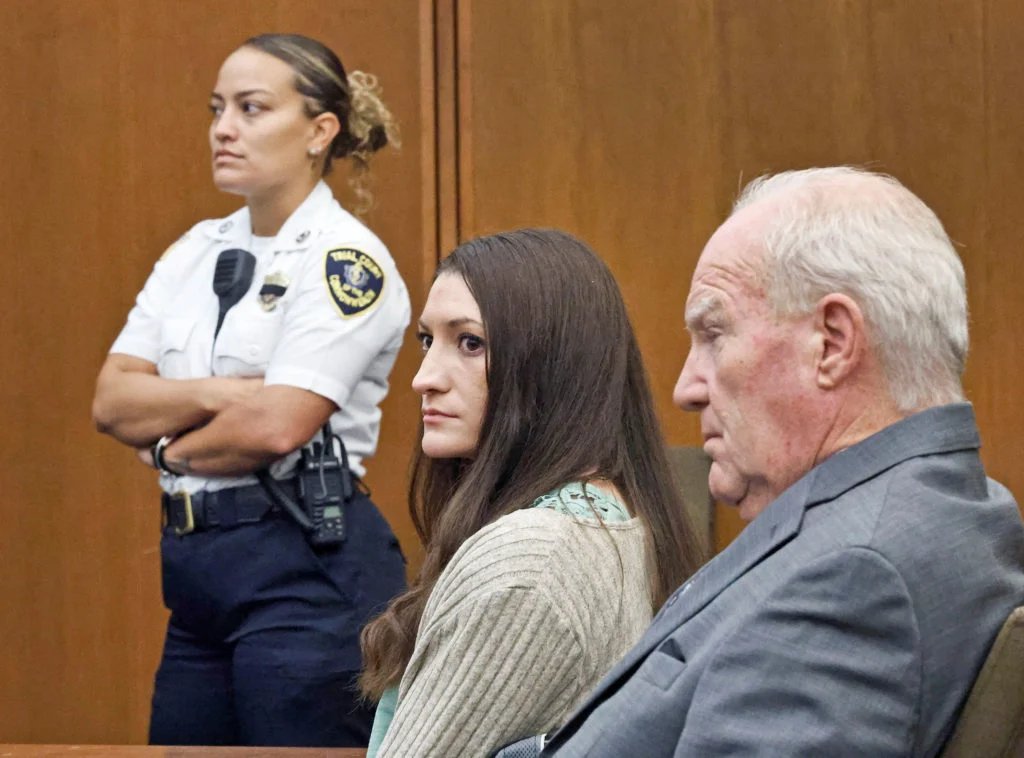
PLYMOUTH, Mass. — The walls of the Plymouth County courthouse have become the epicenter of a national conversation regarding mental health, maternal responsibility, and the limitations of the American justice system. On Thursday, jurors returned for a sixth day of deliberations in the murder trial of Lindsay Clancy, a former labor and delivery nurse who stands accused of strangling her three young children in 2023.
The jury, which has twice declared itself deadlocked, faces the profound task of determining whether Clancy was legally responsible for the deaths of 5-year-old Cora, 3-year-old Dawson, and 8-month-old Callan. As the hours tick by, the possibility of a mistrial looms, threatening to leave the families of the victims and the public without a definitive legal resolution.
The Core Legal Conflict
The trial has centered on a stark divide between the prosecution and the defense, not on whether the killings occurred, but on the state of mind of the defendant at the time.
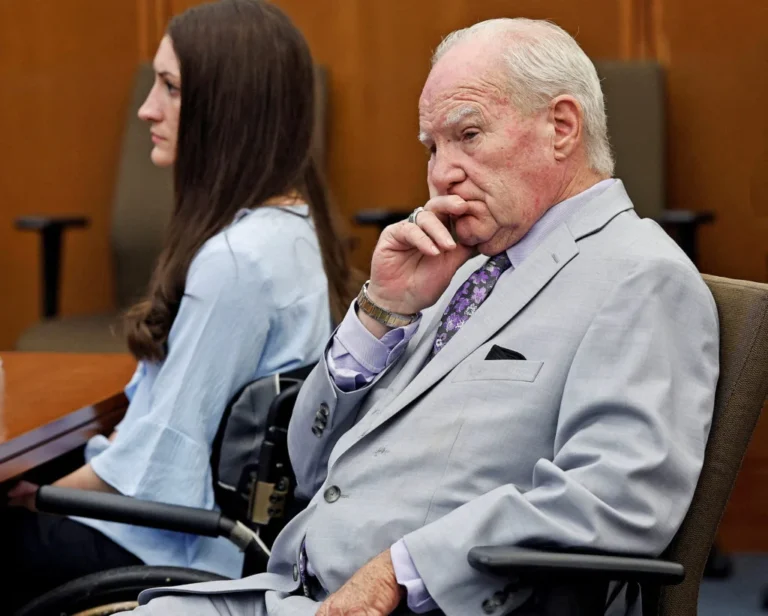
The defense team, led by attorney Kevin Reddington, has anchored its case in the harrowing reality of postpartum psychosis. They argue that Clancy, a medical professional who had dedicated her career to bringing life into the world, was suffering from a severe, medically induced breakdown exacerbated by what Reddington described as "lousy medical care." The defense contends that Clancy was not in control of her actions, effectively rendered a shell of herself by a condition that stripped away her agency.
Conversely, the Plymouth County District Attorney’s office has maintained a firm stance that the killings were a deliberate, calculated act. Prosecutors have argued that the focus should remain on the defendant’s choices and the finality of the tragedy, emphasizing that the shortcomings of the broader healthcare system—while tragic—do not absolve an individual of criminal liability for murder. "The system is not on trial here," the prosecution has repeatedly signaled, urging the jury to look past the sympathetic narrative of mental illness and toward the evidence of intent.
A Chronology of Uncertainty
The current impasse marks the climax of a trial that has captivated the public through intense livestream coverage.
- The Incident (2023): Lindsay Clancy admitted to strangling her three children in the family home. The discovery of the crime sent shockwaves through the community and prompted an immediate national dialogue on postpartum mental health.
- The Testimony (Late July): Patrick Clancy, the defendant’s husband, provided the most gut-wrenching testimony of the trial. He spoke of his wife’s deteriorating mental state leading up to the tragedy. In a moment that remains etched in the memory of those who followed the proceedings, the court played a 911 recording in which Patrick could be heard screaming, "She killed the kids!"
- The Deadlock (Tuesday-Wednesday): After days of deliberation, the jury informed Judge William Sullivan that they could not reach a unanimous verdict. In response, the judge issued a "dynamite charge"—a legal instruction urging the jurors to reconsider their positions and engage with opposing viewpoints to avoid a hung jury.
- The Sixth Day (Thursday): Jurors returned to the courthouse with expressions described by observers as somber and withdrawn. The judge once again polled them on their ability to remain impartial, particularly in light of a recent incident involving a supporter attempting to film jurors, before sending them back to the deliberation room.
Supporting Data: The Reality of Postpartum Psychosis
The intense public interest in this case stems largely from the terrifying nature of postpartum psychosis, a condition that remains poorly understood by the general public. According to the Cleveland Clinic, the condition is a medical emergency that impacts an estimated 1 to 2 per 1,000 women following childbirth.
Unlike postpartum depression, which involves persistent feelings of sadness, psychosis involves a complete detachment from reality. Experts note that it can manifest as hallucinations, extreme confusion, and delusional thoughts. While the majority of women who experience this do not harm their children, the risk of harm—both to the mother and the infant—is significantly elevated when the condition is left untreated or misdiagnosed.
Research from the Medical University of Lublin highlights that nearly half of those who suffer from the condition have a prior psychiatric history, with bipolar disorder being a significant risk factor. The medical community has watched this trial closely, with many experts noting that the case underscores the desperate need for better screening and integrated care for mothers during the "fourth trimester."
Official Responses and Public Reaction
The courthouse grounds have become a makeshift forum for the public, with supporters of Clancy frequently gathering in pink—a color adopted by those who view her as a victim of a systemic healthcare failure.
Jeanne DeSanto, a local resident who attended the trial on Thursday, admitted that her initial reaction to the news of the killings was one of outrage. "I assumed she was a monster," she told reporters. "But after watching the testimony, my view shifted. This isn’t about evil; it’s about a medical system that failed a mother and her children."
Others, like former social worker Emily Collins, who also attended, expressed deep empathy. Having suffered from postpartum depression herself in the 1970s, Collins noted the difficulty of the jury’s position. "It’s a polarizing subject," she said. "I don’t think they’re ever going to get everyone to agree."
The defense attorney, Kevin Reddington, has remained combative, expressing his readiness for a retrial should a mistrial be declared. "I’ve got witnesses lined up," he told the press while carrying a box of letters from global supporters of his client. "We’re all set. So let’s go."
Legal Implications and the Path Forward
If the jury ultimately fails to return a verdict, the legal path forward is fraught with complexity. A mistrial would essentially reset the clock, returning the case to its pre-trial status. Clancy would remain in custody at a psychiatric facility, and the District Attorney’s office would be forced to decide whether to expend the resources and emotional capital required for a second trial.
Legal experts, such as Boston-based defense attorney Brad Bailey, suggest that a retrial is not a foregone conclusion. The prospect of another lengthy, high-stakes proceeding might encourage both sides to seek a plea resolution. "Any time the threat of a retrial with murder-one hanging over the client is re-interjected," Bailey noted, "defense lawyers will, at the very least, explore whether or not there’s any interest in a resolution."
Furthermore, the trial has highlighted the vulnerability of the judicial process itself. The recent arrest of Dawn Light, a supporter accused of filming jurors, forced the court to take extraordinary measures to ensure the integrity of the panel. This incident served as a reminder of the immense pressure exerted on the 12 individuals tasked with the heavy burden of weighing mental health against criminal accountability.
As the jury continues its deliberations, the case of Commonwealth v. Lindsay Clancy remains a haunting testament to the fragility of the human mind and the heavy, often agonizing, responsibility of the law to seek justice when the line between illness and intent is obscured. Regardless of the outcome, the trial has already changed the landscape of the discourse surrounding maternal health, leaving a lasting impact on how society views the intersection of medicine and the courtroom.