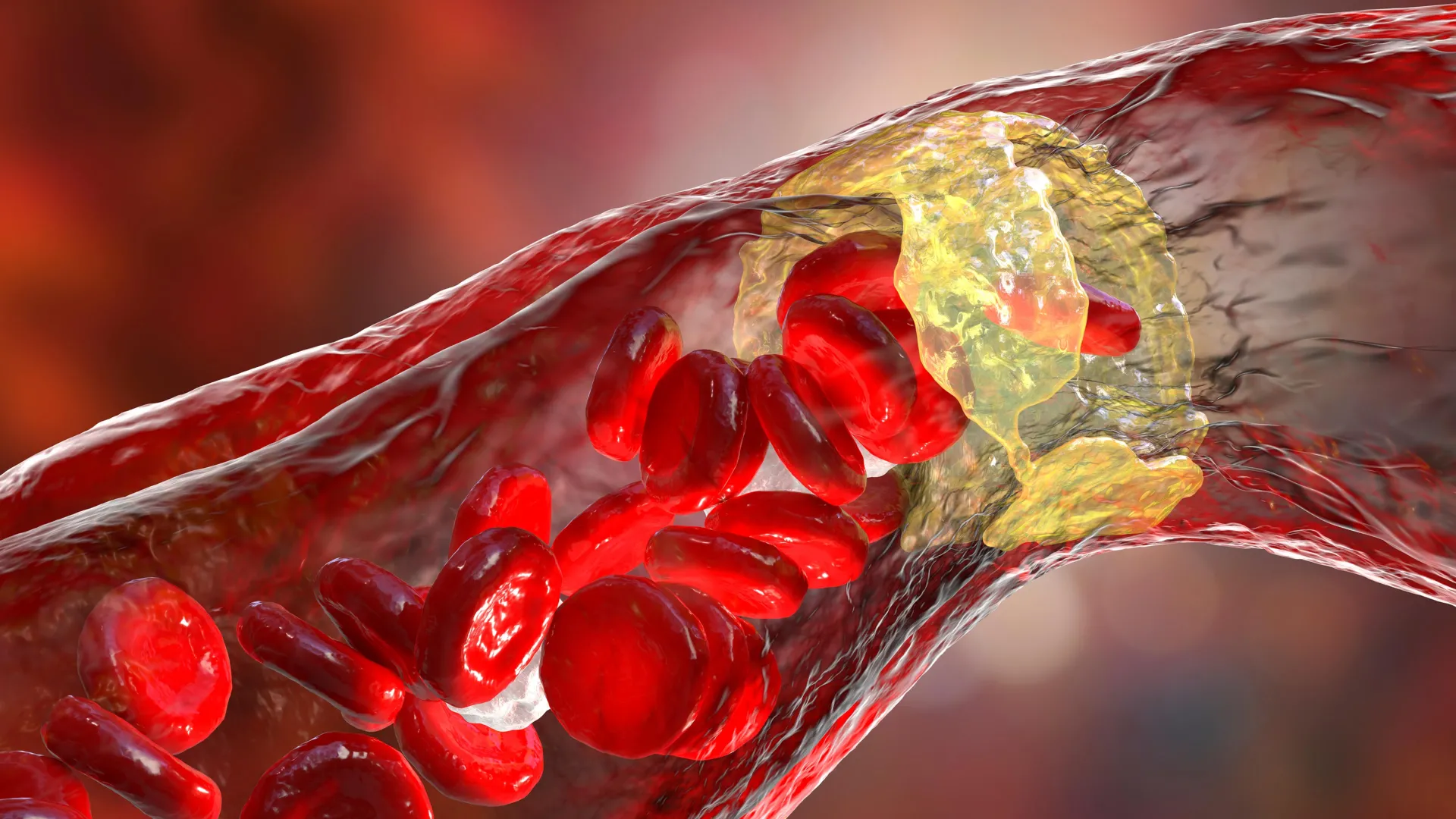
In the ongoing battle against cardiovascular disease (CVD)—the leading cause of mortality globally—a clear, evidence-based consensus has emerged: the aggressive management of low-density lipoprotein (LDL) cholesterol is the cornerstone of prevention. While the medical community has long recognized LDL as "bad" cholesterol, capable of clogging arteries and precipitating heart attacks and strokes, a new editorial published in Trends in Cardiovascular Medicine challenges current prescribing habits, advocating for a more decisive, front-loaded approach to pharmacotherapy.
Researchers from Florida Atlantic University’s (FAU) Schmidt College of Medicine argue that for many patients, the current standard of care—characterized by incremental titration of medications—may be failing to address the urgency of cardiovascular risk. By prioritizing high-potency statins from the outset, clinicians may be better equipped to prevent the onset of life-threatening events.
The Core Mandate: Why Aggressive Statin Therapy Matters
The fundamental premise of the new guidance is simple but rigorous: high-potency statins—specifically rosuvastatin and atorvastatin—should serve as the primary pharmacological defense against cardiovascular disease.
The researchers emphasize that these drugs are not merely adjuncts but the foundation of treatment, designed to complement, not replace, therapeutic lifestyle changes (TLC). The body of evidence supporting statins is arguably the most robust in modern cardiology. Meta-analyses of randomized controlled trials consistently demonstrate that lowering LDL cholesterol confers both statistically significant and clinically meaningful reductions in cardiovascular morbidity and mortality across diverse populations, including both men and women, and across various age groups.
The "Start High" Strategy
One of the most provocative recommendations in the editorial concerns the initiation of therapy. Historically, many cardiologists have started patients on low-to-moderate doses of statins, gradually increasing the dosage if LDL targets are not met. However, the authors note that clinical inertia—the tendency of patients to remain on their initial, sub-optimal doses indefinitely—is a significant barrier to success.
To combat this, the FAU team recommends that cardiologists consider starting therapy with the highest tolerated dose of rosuvastatin or atorvastatin, titrating downward only if necessary due to side effects. By achieving maximal cholesterol reduction early, clinicians can better protect high-risk arteries from the cumulative damage of dyslipidemia.
Chronology of Evidence: From Lifestyle to Pharmacotherapy
The development of cardiovascular medicine has evolved through a series of landmark transitions, moving from an era of purely reactive surgery to a sophisticated understanding of preventive medicine.
- Pre-1980s: The Recognition of Risk. Early observational studies solidified the link between high serum cholesterol and coronary artery disease.
- 1990s–2000s: The Statin Revolution. The introduction and widespread adoption of statins transformed the landscape of secondary prevention, showing that pharmacologic intervention could effectively "stabilize" plaque and reduce stroke risk.
- 2010s: The Rise of Adjunctive Therapies. As physicians sought to lower LDL even further, newer classes of drugs—such as PCSK9 inhibitors and cholesterol absorption inhibitors—entered the market.
- 2020s: The Return to Basics. Modern research, including the analysis provided by the Schmidt College of Medicine, reflects a "back to basics" movement, emphasizing that while new drugs exist, the gold-standard efficacy of high-dose statins remains unmatched for the vast majority of patients.
Supporting Data: Examining the Landscape of Risk
The urgency of this guidance is underscored by the current health profile of the United States. Despite the known benefits of healthy living, approximately 40% of American adults suffer from "metabolic syndrome." This condition is a dangerous cluster of symptoms, including central obesity, hypertension, dyslipidemia, and insulin resistance.
The Metabolic Syndrome Crisis
Individuals with metabolic syndrome carry a cardiovascular risk profile equivalent to those who have already suffered a heart attack or stroke. Yet, this population remains largely underdiagnosed and undertreated. The FAU editorial highlights that this demographic represents a "ticking time bomb" of cardiovascular events that could be largely mitigated through earlier, more aggressive clinical intervention.
Lifestyle Factors: An Essential Foundation
While the editorial advocates for high-potency drugs, it does not minimize the necessity of lifestyle modification. The researchers stress that therapeutic lifestyle changes (TLC) remain effective whether used in isolation or alongside medication. The proven pillars of prevention remain:
- Tobacco Cessation: The single most impactful step in preventing arterial inflammation.
- Weight and Blood Pressure Management: Essential for reducing the workload on the heart.
- Physical Activity: Only 21% of Americans currently meet the minimum daily requirement for exercise. The authors emphasize that meaningful improvements in cardiovascular fitness are possible at any age, including among the elderly.
Official Responses and Clinical Nuance
The editorial team, led by Dr. Charles H. Hennekens—the Sir Richard Doll Professor of Medicine at FAU—offers a critical appraisal of newer, high-cost adjunctive therapies that have gained popularity in recent years.
The Role of Ezetimibe and Evolocumab
The authors urge caution regarding the widespread, often indiscriminate, use of newer agents like ezetimibe and evolocumab. They argue that these should be reserved for a specific subset of patients: those who have failed to reach their LDL targets despite being on maximal tolerated doses of high-potency statins.
Referencing the IMPROVE-IT trial, the authors point out that the addition of ezetimibe to simvastatin showed only a marginal benefit. Similarly, while the FOURIER trial showed the efficacy of evolocumab, its benefits were primarily localized to high-risk patients with familial hypercholesterolemia. The researchers suggest that until a patient has optimized their statin therapy, the addition of these agents may represent an unnecessary escalation in cost and complexity without significant clinical gain.
Aspirin and Omega-3s
The guidance also clarifies the role of aspirin and omega-3 fatty acids:
- Aspirin: The benefits of statins and aspirin are deemed at least additive and potentially synergistic. While most secondary prevention patients should be on aspirin, its role in primary prevention requires a careful, individualized assessment of the risk of arterial occlusion versus the risk of gastrointestinal bleeding.
- Omega-3s: The authors note that while many earlier trials of omega-3s were disappointing, the REDUCE-IT trial proved that icosapent ethyl—a purified form of eicosapentanoic acid—could provide a 25% reduction in major cardiovascular events when added to statin therapy.
Implications for Future Practice
The implications of this editorial are profound for the practicing cardiologist. It calls for a transition away from a "wait-and-see" approach toward a more proactive, "front-loaded" strategy.
Improving Patient Outcomes
By initiating treatment with high-potency statins, clinicians can address the "residual risk" that often plagues patients who are kept on low-dose therapies. As Dr. Hennekens aptly summarizes, "Practicing cardiologists may wish to consider that all adjunctive drug therapies to therapeutic lifestyle changes should be added only after achieving maximal doses of statins."
A Benjamin Franklin Philosophy
The editorial concludes with a reflection on the enduring wisdom of Benjamin Franklin, who in 1736 famously noted, "An ounce of prevention is worth a pound of cure." For the modern medical system, this translates to an urgent need to treat cardiovascular risk factors aggressively before they manifest as chronic disease.
The lead author of the editorial, John Dunn, a third-year medical student, alongside his senior colleagues, has provided a roadmap that simplifies the often-confusing landscape of cardiovascular pharmacology. By focusing on the proven efficacy of high-potency statins and prioritizing patient adherence to lifestyle changes, the medical community has the potential to significantly reduce the incidence of the world’s most lethal health threats.
Ultimately, the goal is to shift the focus from reactive "pound-of-cure" interventions—such as stent placements and bypass surgeries—toward the "ounce-of-prevention" that defines the most successful cardiovascular outcomes. With roughly 40% of the U.S. population at risk, the need for this clinical pivot has never been more acute.