


Stay informed with the latest developments in medicine and health policy. Sign up for STAT’s Morning Rounds newsletter for your daily briefing.
The landscape of American public health is currently defined by a series of paradoxes. We are witnessing an unprecedented, rapid decline in drug overdose fatalities, even as federal agencies pivot sharply on long-standing civil rights protections for the disabled. Simultaneously, the medical field is balancing the high-stakes integration of generative artificial intelligence with the delicate, human-centered work of rebuilding trust in pediatric vaccination.
This report synthesizes the major shifts occurring across the U.S. health sector, examining the data, the policies, and the human impact behind these headlines.
I. The Unprecedented Decline in U.S. Overdose Deaths
For years, the U.S. has grappled with a mounting crisis of drug-related fatalities, characterized by year-over-year increases that defied simple solutions. However, 2024 marked a historic turning point, with overdose deaths plummeting by 27%. Preliminary data from 2025 suggests this trend is not merely a statistical anomaly, but a sustained, meaningful decline.
The Mystery of the Downward Trend
Epidemiologists are cautious yet encouraged by the data. "It is unprecedented to see overdose deaths come down so dramatically, so quickly," noted Brandon Marshall, a leading epidemiologist. While the raw numbers tell a story of success, the why remains a subject of intense academic and policy debate.
A recent study by the Commonwealth Fund attempts to dissect this phenomenon, evaluating both domestic policies and international comparisons. The report suggests that a combination of expanded access to naloxone, shifts in the illicit drug supply, and localized harm-reduction strategies may be acting in concert. However, researchers warn that the decline is fragile. The absence of a single, identifiable "silver bullet" makes it difficult to project whether these gains will hold throughout the remainder of 2026 and beyond.
II. A Regulatory Pivot: The HHS and the Disability Rights Lawsuit
In a move that has sent shockwaves through the disability advocacy community, the U.S. Department of Justice (DOJ) has formally joined a lawsuit against the Department of Health and Human Services (HHS)—effectively taking the side of the seventeen states that initiated the litigation in 2024.
Chronology of the Conflict
- 2024: Seventeen states sue HHS, challenging the constitutionality of Section 504 of the Rehabilitation Act of 1973.
- 2026 (January): The states specifically petition the court to strike all mentions of "community integration" from the federal rulebook.
- 2026 (June): The DOJ issues a formal memo indicating it will no longer enforce the community integration mandate, signaling a broader ideological shift.
- 2026 (September): The DOJ officially intervenes in the ongoing litigation on behalf of the states.
Implications for the Disabled Community
At the heart of the dispute is Section 504, a landmark piece of legislation that prohibits disability-based discrimination by any entity receiving federal funding. By targeting the "community integration" mandate, the states—now supported by the federal government—are challenging the legal precedent that prioritizes the right of disabled individuals to live in their own homes and communities rather than in institutional or nursing home settings.
While legal experts note that established case law (such as the Olmstead mandate) remains a powerful tool for advocates, the federal government’s explicit pivot signals a fundamental change in executive enforcement. The message is clear: the current administration intends to roll back federal oversight regarding how states manage long-term care and community-based services.
III. Generative AI in Medicine: The FDA’s Pilot Program
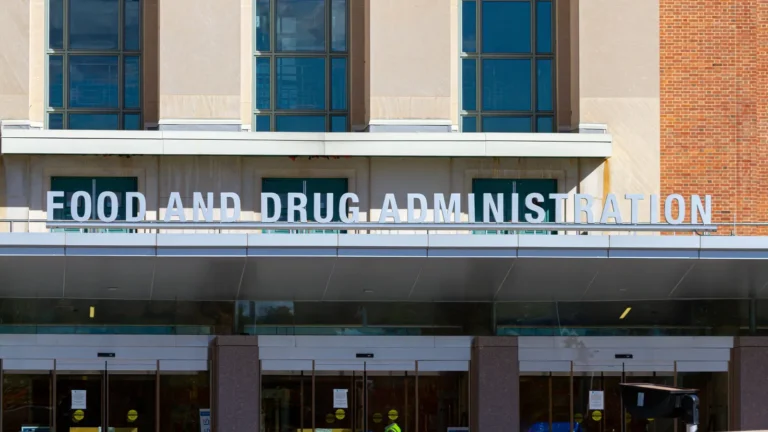
The integration of generative AI into medical diagnostics and clinical workflows has moved faster than the regulatory frameworks designed to oversee them. With the FDA yet to issue comprehensive guidance, the agency has launched a high-stakes pilot program to bridge the gap.
A New Path to Market
Four digital health startups have been granted entry into a pilot program that allows them to bypass traditional pre-market authorization. Instead, these companies are permitted to deploy their AI devices in real-world clinical settings, provided they adhere to a rigorous data-sharing agreement with the FDA.
The logic is experimental: by observing how these devices perform in the "wild," the FDA hopes to gather the data necessary to craft robust, evidence-based regulations. Critics and proponents alike are watching closely. The concern, voiced by digital health skeptics, is whether "learning on the job" poses an undue risk to patient safety. The program’s success will likely determine how the U.S. approaches the regulation of black-box algorithms in the coming decade.
IV. The Frontlines of Vaccine Skepticism: Middleboro Pediatrics
While high-level policy is drafted in Washington, the battle for public health confidence is being fought in small examination rooms across the country. Middleboro Pediatrics in Massachusetts has become a focal point for this struggle, positioning itself as a "practice of last resort" for families who have been dismissed by other physicians due to their vaccine hesitancy.
Building Trust Through Dialogue
Rather than issuing immediate dismissals for families who refuse vaccinations, the team at Middleboro utilizes a "meet-and-greet" model. Dr. Aaron Bornstein emphasizes the necessity of establishing a baseline of mutual trust. In one recent interaction, he challenged a parent on their consistency: "If I think your child has a bad infection, will you reject my recommendations for antibiotics? At some point, I need a level of trust that you are coming here because you want my guidance."
This approach highlights the widening gap between evidence-based medicine and the rising tide of medical misinformation. As professional organizations, including pediatric, family, and obstetric societies, release updated vaccine guidelines for the fall and winter, the goal remains unchanged: maintaining the highest scientific standards despite the erosion of public trust. "Whatever happens to the federal vaccine policy process, we cannot lower that scientific standard," said Bruce Gellin of the Vaccine Integrity Project.
V. Regulatory Vigilance: The FDA and Stem Cell Clinics
The proliferation of "stem cell clinics"—an industry estimated at over 2,000 firms selling unproven and often unregulated cellular therapies—has long been a source of anxiety for the scientific community. Many feared that the current political climate would result in the FDA loosening its oversight of these facilities.
Science Over Ideology
However, recent actions by the FDA suggest a different trajectory. Biologist Paul Knoepfler, a long-time observer of the stem cell industry, notes that the agency has recently taken decisive steps to scrutinize these clinics, issuing warning letters and curbing deceptive marketing practices.
"In a time of ideologically and politically driven decision-making in medical regulations, the FDA’s recent science-based successes here are all the more surprising, worth discussing, and even celebrating," Knoepfler writes. This suggests that even within an administration marked by significant policy shifts in other areas, the FDA’s core mission of protecting the public from unverified medical products remains a functional, if contested, priority.
VI. Conclusion: Looking Ahead
The health landscape in late 2026 is a complex tapestry of progress and regression. The decline in overdose deaths offers a rare, optimistic data point in a field often defined by tragedy. Conversely, the shifts in disability rights and the ongoing friction regarding vaccine compliance reflect deeper societal fissures that medicine alone cannot heal.
As the FDA navigates the complexities of AI and the enforcement of stem cell regulations, the role of medical professionals remains clear: to interpret data, uphold scientific integrity, and engage with patients—even those who arrive with deep-seated skepticism. The coming months will be a critical test for federal policy, and for the public health institutions that anchor American life.