










In recent years, the medical community has grappled with a quiet but significant epidemiological shift: the rising frequency of unruptured intracranial aneurysms (UIAs) detected in otherwise healthy populations. A landmark systematic review and meta-analysis, published in The Lancet Neurology, has brought this trend into sharp focus, revealing that the prevalence of these vascular abnormalities has more than doubled over the last two decades. As high-resolution imaging and artificial intelligence (AI) diagnostic tools become more pervasive, clinicians are increasingly faced with the complex challenge of identifying, monitoring, and managing these "ticking time bombs" within the human brain.
Main Facts: A Shifting Landscape of Neurological Risk
The study, led by Dr. Nima Etminan of the University of Heidelberg in Germany, analyzed data from 162 studies encompassing over 316,000 individuals. The findings indicate a stark increase in the identification of UIAs among healthy adults. Between 2002 and 2015, the prevalence was estimated at 2.9%; by 2016–2022, that figure had climbed to 6.6%. Even after adjusting for critical variables such as age and sex, the prevalence ratio remained at 1.8 for the 2016–2022 period compared to the earlier cohort.
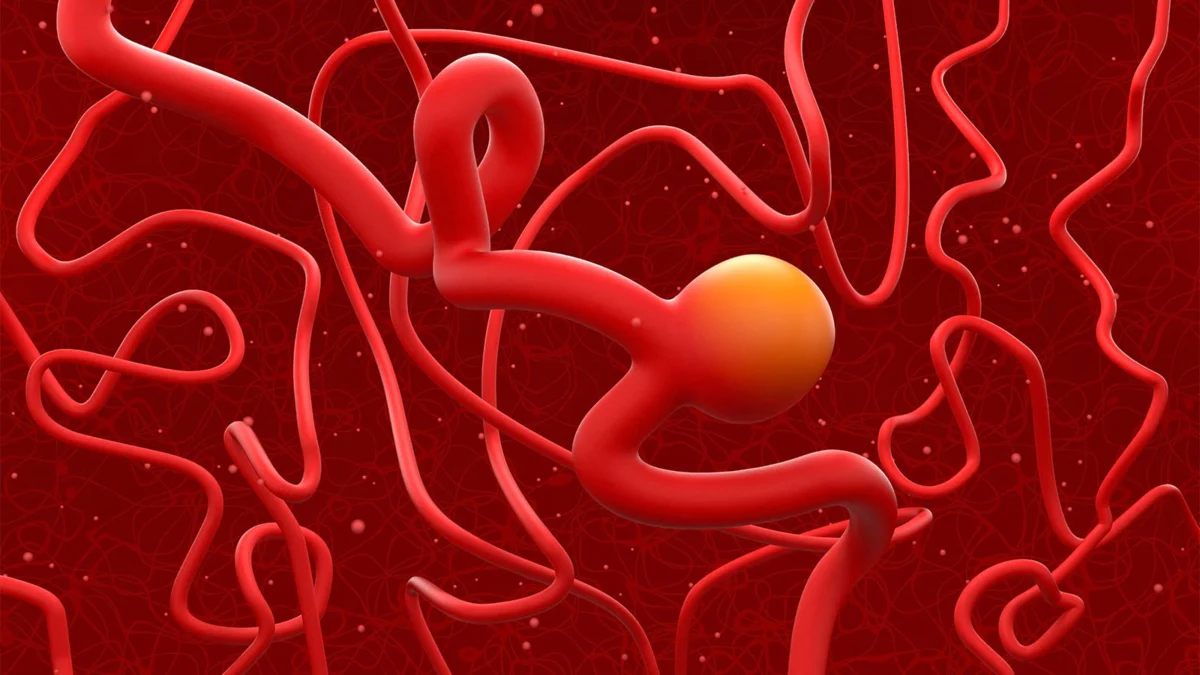
An intracranial aneurysm is a weak, bulging area in the wall of an artery in the brain. While most remain asymptomatic and are discovered incidentally during routine MR or CT angiography, their presence is not benign. A rupture can lead to an aneurysmal subarachnoid hemorrhage (aSAH)—a life-threatening medical emergency characterized by bleeding into the space surrounding the brain, often resulting in severe neurological impairment or sudden death.
The data suggests that while the aging population and advancements in vascular imaging technology explain a portion of this increase, they do not account for the entire surge. This has led researchers to hypothesize that environmental factors, as yet unidentified, may be contributing to the structural degradation of arterial walls in a broader segment of the population.
Chronology of Discovery and Diagnostic Evolution
The understanding of brain aneurysms has evolved dramatically since the mid-20th century. The meta-analysis, which incorporated data published between September 1955 and July 2025, highlights the technological arc that has defined modern neurology.
- 1955–1990s: Detection was largely reserved for symptomatic patients or those presenting with neurological deficits. Diagnostic tools were invasive, and incidental findings were rare.
- 2000–2015: The widespread adoption of non-invasive MR and CT angiography led to a steady increase in the incidental detection of UIAs. This era solidified our understanding of the demographic profile of those most at risk.
- 2016–Present: We have entered the era of high-definition imaging and AI-assisted diagnostics. These tools can now identify micro-aneurysms that were previously invisible to the human eye. This period has seen the most dramatic spike in prevalence, forcing a shift in how medical professionals approach asymptomatic patients.
Supporting Data: Dissecting the Risk Profile
The study provides a granular breakdown of risk factors that correlate with the presence of an aneurysm. While the general population risk is significant, specific subgroups face substantially higher probabilities:
- Demographics: Women are 1.9 times more likely to harbor an unruptured aneurysm than men. Age also acts as a primary risk factor, with prevalence increasing as vascular health naturally declines over time.
- Comorbidities: Hypertension (high blood pressure) and smoking remain the primary lifestyle-driven risk factors, with risk ratios of 1.6 and 1.4, respectively.
- Genetic and Chronic Conditions: The study highlighted significant disparities among those with underlying health issues. Patients with connective-tissue disorders exhibited a 10.3% prevalence, while those with autosomal dominant polycystic kidney disease (ADPKD) faced a 12.8% prevalence. Furthermore, a positive family history of subarachnoid hemorrhage remains a key indicator of vulnerability (7.9% prevalence).
Interestingly, while the overall incidence of ruptured aneurysms (aSAH) has declined by 40% over the past thirty years—largely due to public health successes in controlling blood pressure and reducing smoking—the prevalence of unruptured aneurysms continues to climb. This suggests that while we are becoming better at preventing the "event," we are becoming much better at finding the "pre-event," creating a new clinical bottleneck.
Official Responses and Clinical Implications
The discovery of an unruptured aneurysm frequently creates a "clinical dilemma," as noted by Dr. Shuo Wang and his colleagues at Capital Medical University in an accompanying editorial in The Lancet Neurology.
The Risk of Over-Treatment
A central concern is the risk-to-benefit ratio of intervention. "Prophylactic surgical or endovascular intervention can involve procedural risks," the editorialists warn. "Surgical complications can cause net clinical harm for lesions with low risk of rupture." In many cases, the risk of a surgery—such as craniotomy or endovascular coiling—may outweigh the lifetime risk of the aneurysm ever rupturing. This necessitates a highly nuanced approach to "watchful waiting" versus aggressive treatment.
The Role of AI and Future Screening
The editorialists predict that as AI-assisted screening becomes a standard component of preventative healthcare, the number of identified UIAs will continue to rise. This, however, does not necessarily argue for universal screening. Instead, the consensus among experts is moving toward targeted screening.
By focusing on individuals with identified risk factors—such as those with a strong family history, connective-tissue disorders, or chronic hypertension—clinicians can optimize resources and reduce the psychological burden on patients who might otherwise be subjected to unnecessary diagnostic anxiety.
The Cultural Context: Beyond the Clinic
The visibility of this issue has reached beyond the ivory towers of medical research and into the public consciousness. Last year, the diagnosis of a UIA in reality television star Kim Kardashian served as a cultural touchstone, drawing significant media attention to the condition. Such high-profile cases have increased patient inquiries, forcing primary care physicians to become better educated on when to refer patients to neurosurgeons and how to communicate the risks of "living with an aneurysm."
Conclusion: The Path Forward
The meta-analysis by Dr. Etminan and colleagues serves as a clarion call for a more personalized approach to neurology. While the surge in identified cases is partly a victory of modern imaging, it presents a substantial challenge for healthcare systems.
"Our findings warrant further investigation into the potential benefit of personalized screening and management strategies in groups at high risk for having unruptured intracranial aneurysms," the authors concluded.
Moving forward, the medical community must focus on two fronts:
- Refining Risk Stratification: Developing better algorithms to distinguish between "stable" aneurysms that require monitoring and "high-risk" aneurysms that require immediate intervention.
- Public Health Literacy: Ensuring that as we screen more, we educate more. Patients need to understand that an incidental diagnosis is not a death sentence, but rather a shift toward a specialized, long-term monitoring strategy aimed at prevention.
As we stand at the intersection of technological capability and biological reality, the goal remains clear: to prevent the catastrophe of hemorrhage without subjecting the population to the dangers of unnecessary medical intervention. The data is clear—we are finding more; now we must master the art of knowing when to act.