









27 August, 2026
The global respiratory community is converging for the ERS Congress 2026, an event defined by a transformative central theme: "United for better breathing: partnership between patients, clinicians, and researchers." This year’s assembly is not merely a scientific forum; it is a declaration of a new era in medicine where the patient’s voice is elevated from an anecdotal reference to a foundational element of clinical practice, research design, and healthcare policy.
By integrating patient expertise into the core of the scientific programme, the European Respiratory Society (ERS) and the European Lung Foundation (ELF) are setting a new international benchmark for how medical societies should engage with the people they serve.
The Core Mandate: Bridging the Gap in Respiratory Care
At the heart of the 2026 Congress lies a critical shift in perspective. For decades, the medical model relied on a top-down approach where clinicians dictated treatment protocols. The ERS Congress 2026 serves as a catalyst for dismantling this hierarchy. The mandate is clear: empower respiratory professionals to move beyond passive observation and actively involve patients in decision-making processes.
This year’s theme focuses on three pillar areas that have been identified through an extensive pre-congress webinar series:
- Environment, Climate, and Public Health: Addressing the intersection of air quality and respiratory wellness through a patient-centric lens.
- Patient Advocacy, Empowerment, and Co-design: Shifting the focus toward collaborative research and service development.
- Managing Symptoms and Holistic Care: Prioritizing quality of life and the subjective experience of chronic lung disease.
A Two-Decade Evolution: From Participation to Partnership
The integration of patients into ERS activities is not a sudden trend but the culmination of over 20 years of deliberate effort. The inception of the European Lung Foundation in 2000 acted as the initial springboard for this movement. Since then, the partnership between clinicians and patients has steadily deepened, becoming a core strategic pillar in the ERS’s renewed organizational vision, formally announced in 2025.
This transition marks a departure from "tokenism." In previous years, patient involvement might have been limited to a single keynote or a peripheral workshop. In 2026, the strategy has shifted to institutional embedding. The congress programme was co-developed with the ELF to ensure that patient experiences, priorities, and recommendations for future practice were integrated from the very first planning meetings.
Statistical Milestones: A New Standard for Representation
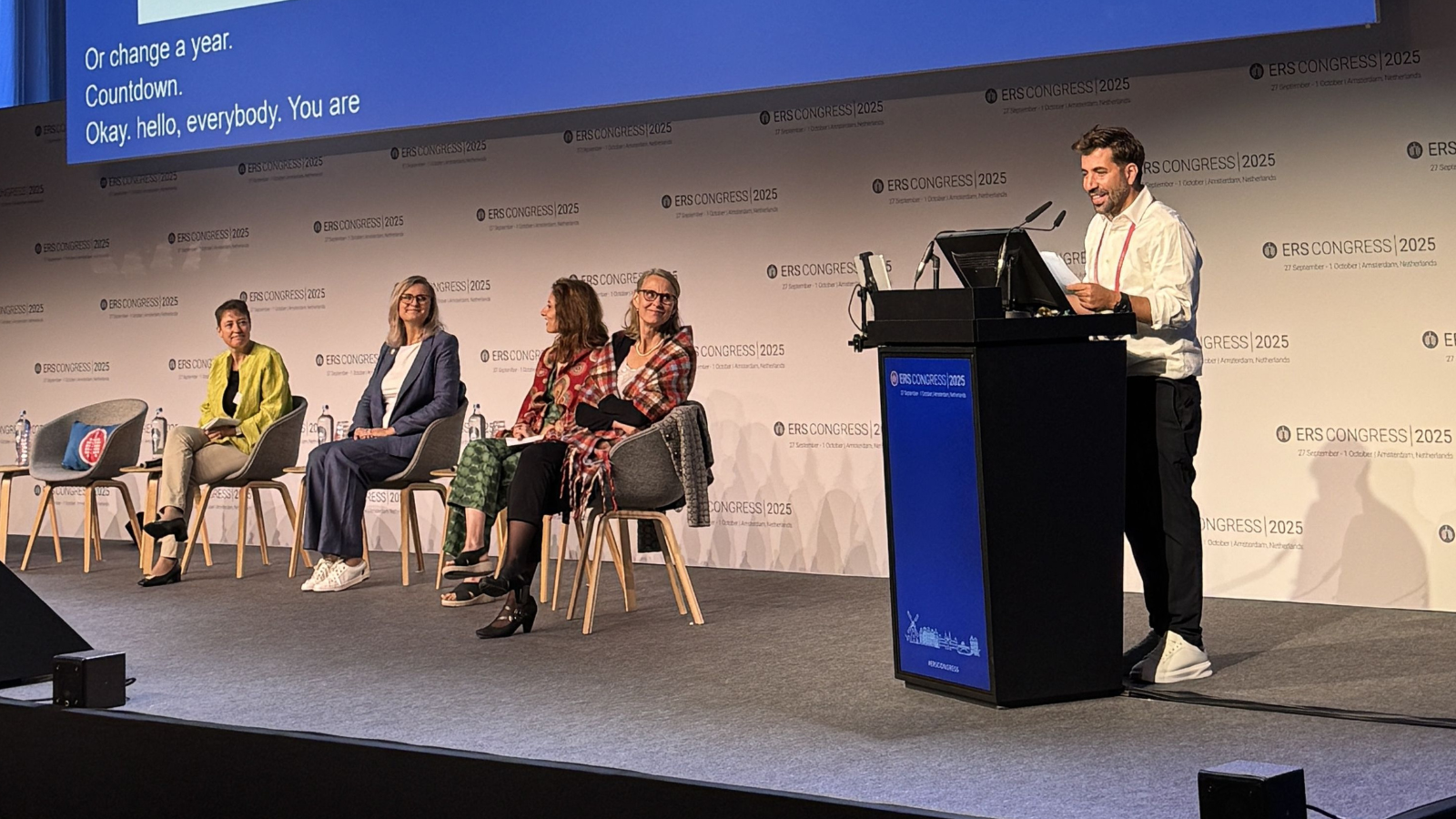
The scale of patient involvement at the 2026 Congress is unprecedented. The event is hosting the largest delegation of patient and carer representatives in the society’s history, providing a unique environment where clinical researchers can network directly with the individuals living with the conditions they study.
The structural presence of the patient voice within the programme is quantified by significant metrics:
- Co-Chaired Sessions: Over 30 sessions are being led by patient representatives working alongside clinical chairs.
- Speaker Contributions: 46 distinct sessions feature patients and carers as active speakers, sharing their lived experiences to contextualize scientific data.
- Multimedia Integration: 12 sessions incorporate pre-recorded patient testimonies, ensuring that the human impact of respiratory disease remains a constant presence throughout the scientific discourse.
The World Village: A Hub for Community and Innovation
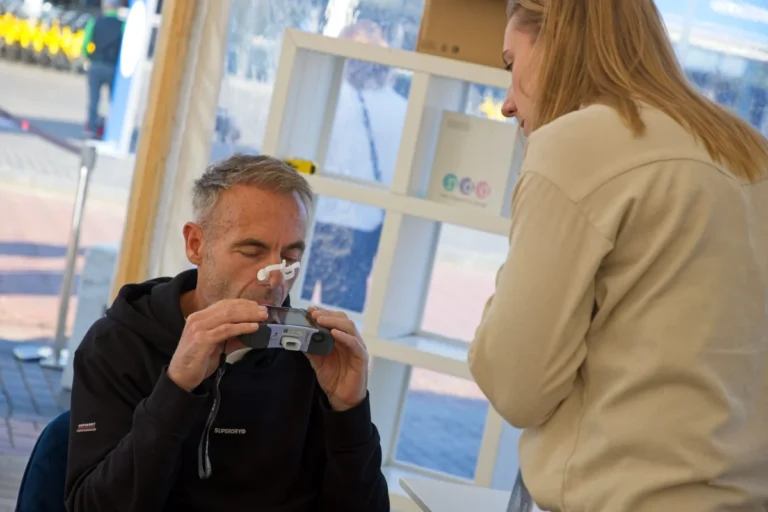
The congress experience extends far beyond the lecture halls. The ERS Congress World Village has been redesigned to emphasize the "United for better breathing" ethos. Key features include:
- The ELF Stand and Community Space: A dedicated area for networking and advocacy, serving as a hub for patient organizations from across the globe.
- Healthy Lungs for Life (HLfL) Stand: An interactive space focused on public health awareness and preventive care.
- The World Village Dome: An all-new, state-of-the-art facility featuring a continuous loop of patient-focused content, specifically curated to illustrate the 2026 theme.
These spaces are supported by returning favorites, such as patient-led studio sessions and the annual Patient Organisation Networking Day (POND), which remains a vital fixture for advocacy groups to align their goals and share best practices.
Expert Perspectives: A Unified Vision for the Future
The shift in strategy has received overwhelming support from the leadership of the ERS and the ELF, who view this transformation as essential for the future of respiratory medicine.
Prof. Joanna Chorostowska-Wynimko, ERS President, emphasized that this theme reflects the society’s identity:
"The theme represents extremely well what ERS is and what we choose to become in the future. Progress in respiratory medicine must be driven by combined efforts of all stakeholders—healthcare professionals, researchers, and, importantly, by patients and their families. In my opinion, partnership is the best, the most effective way to success."
Dimitris Kontopidis, ELF Chair, highlighted the progress made:
"Patients and patient representatives have been part of the ERS Congress for many years, and that is something we should be proud of. In 2026, this continues to evolve, with patients and carers involved across a wider range of sessions than ever before, and with patient priorities increasingly reflected in the programme."
Dr. Marc Miravitlles, ERS President-Elect, noted the clinical necessity of this model:
"This partnership model is particularly important in chronic respiratory diseases, where long-term management, prevention, rehabilitation, and quality of life are central components of care. The Congress theme reflects a modern and necessary vision for respiratory medicine."
Dr. Ferran Barbe, ERS Congress Co-Chair, issued a call to action for the research community:
"It is time to move beyond rhetoric and take a meaningful step forward by truly integrating patients into every stage of research. Their perspectives should help shape study design, define research priorities and outcomes, and guide the dissemination of findings."
Implications for Global Respiratory Health
The legacy of the ERS Congress 2026 will not end when the doors close. The focus on patient-professional partnership is designed to influence long-term policy and clinical practice.
Shaping Future Research
By involving patients in the early stages of study design, researchers are better equipped to identify "unmet needs." When a patient is involved in defining the primary endpoints of a study, the resulting research is more likely to be relevant to the day-to-day lives of those living with lung disease, rather than focusing solely on narrow, clinical biomarkers.
Policy and Advocacy
The presence of patients as co-chairs and speakers allows for a direct dialogue with policymakers who attend the Congress. By showcasing how science influences the quality of life, patient representatives are better positioned to advocate for increased visibility of respiratory health in national and international health agendas.
A Sustainable Model
The ERS has signaled that this is not a one-off initiative. The integration of the patient voice is a core strategic aim that will permeate all future ERS events and activities. The 2026 Congress serves as the proof-of-concept for this model, demonstrating that when researchers, clinicians, and patients are truly "United for better breathing," the pace and quality of medical progress are significantly enhanced.
Conclusion: A Turning Point
As the ERS Congress 2026 continues, the atmosphere in the host city is one of optimism and collaboration. By formalizing the role of the patient as an equal partner, the ERS is not only improving the scientific output of the Congress but is also fostering a more humane and effective healthcare system.
The message from this year’s assembly is unequivocal: the future of respiratory medicine is collaborative. For the patient who has long felt unheard, and for the researcher seeking to make a genuine impact, the ERS Congress 2026 offers a platform where both voices can merge to create a more resilient, effective, and compassionate approach to respiratory care. The path forward is clearly marked, and it is a path that must be walked together.