






For decades, the prevailing narrative surrounding memory loss has been one of inevitability—a somber, unavoidable tax paid to the passage of time. However, a growing body of peer-reviewed research is fundamentally shifting this perspective. Modern science now suggests that long-term memory—the complex storage system for our facts, skills, and personal histories—is not merely a victim of biological decay, but a dynamic physiological system that responds profoundly to our daily lifestyle choices.
According to a comprehensive review of medical literature and public health reports, nearly half of all dementia cases may be preventable through targeted, consistent lifestyle interventions. As the global prevalence of dementia climbs—with the World Health Organization projecting that the current count of 55 million cases will double every 20 years—the urgency of adopting brain-protective habits has never been greater.
The Cognitive Gap: Perception vs. Reality
A 2026 report from the Alzheimer’s Association underscores a significant disconnect in modern public health. In a survey of 3,800 adults aged 40 and older, researchers discovered that while 9 in 10 Americans acknowledge that brain health is of paramount importance, only 9 percent feel equipped with the knowledge of how to maintain it.
The data highlights a "behavioral gap." While 99 percent of respondents agree that lifestyle choices influence cognitive longevity, the implementation remains low: only 34 percent engage in daily exercise, and a mere 39 percent adhere to a consistent, nutrient-dense diet. This discrepancy represents a massive public health opportunity. By bridging this gap, individuals can transition from passive observers of their aging process to active architects of their cognitive future.
Foundational Pillars: Movement and Rest
The preservation of memory begins with two fundamental biological necessities: physical exertion and restorative sleep.
The Exercise Advantage
Physical activity is arguably the most potent tool in the neurological arsenal. Engaging in at least 150 minutes of moderate aerobic activity weekly can reduce the risk of dementia by as much as 25 percent. The mechanisms are multi-faceted: exercise promotes systemic blood flow, reduces neuroinflammation, and facilitates the clearance of metabolic waste products—or "brain toxins"—that accumulate in the neural pathways.
A 2026 study from the University of California, Irvine, revealed that even a single 30-minute bout of moderate exercise acts as a catalyst for the release of brain-derived neurotrophic factor (BDNF), a protein essential for the maintenance and growth of neurons. Furthermore, research tracking British adults suggests that the benefits of movement are immediate; every additional 30 minutes of vigorous activity—such as running, cycling, or brisk walking—correlates with measurable improvements in episodic and working memory the following day.
The Science of Sleep Consolidation
If exercise is the catalyst for brain health, sleep is the mechanism of repair. During deep, slow-wave sleep, the hippocampus plays a critical role in "memory consolidation," essentially transferring the day’s experiences from fragile, short-term storage into the more stable, long-term architecture of the cortex.
Chronic sleep deprivation or fragmented rest disrupts this vital transition. Health experts recommend a strict 7-to-8-hour window of quality sleep. To achieve this, sleep hygiene is essential: experts advocate for exposure to natural morning light to calibrate the circadian rhythm and the strict limitation of blue-light-emitting screens at least an hour before bedtime.
The Synergy of Mind and Community
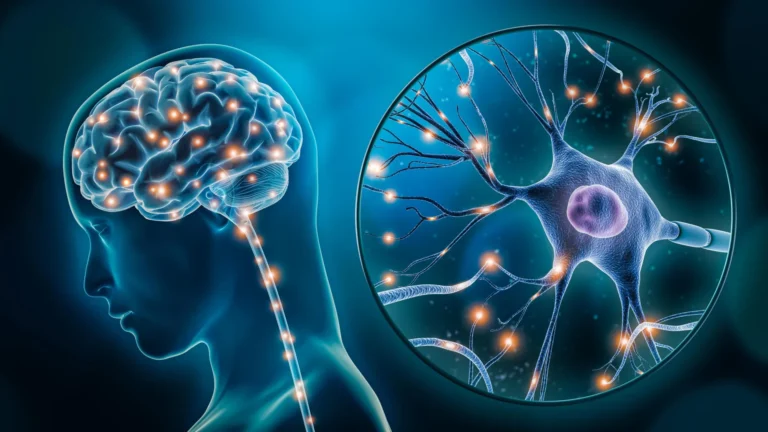
The brain is a remarkably plastic organ, capable of reorganizing its structure and function throughout the lifespan—a process known as neuroplasticity. To keep this system robust, the brain requires novel stimulation and social connectivity.
Cognitive Engagement vs. Passive Consumption
Passive activities, such as watching television, provide little in the way of cognitive enrichment. In contrast, active engagement—such as learning a new language, mastering a musical instrument, or participating in a complex conversation—forces the brain to forge new neural connections. Studies have shown that a mere ten-minute, face-to-face conversation provides a more significant "brain boost" than hours of passive media consumption.
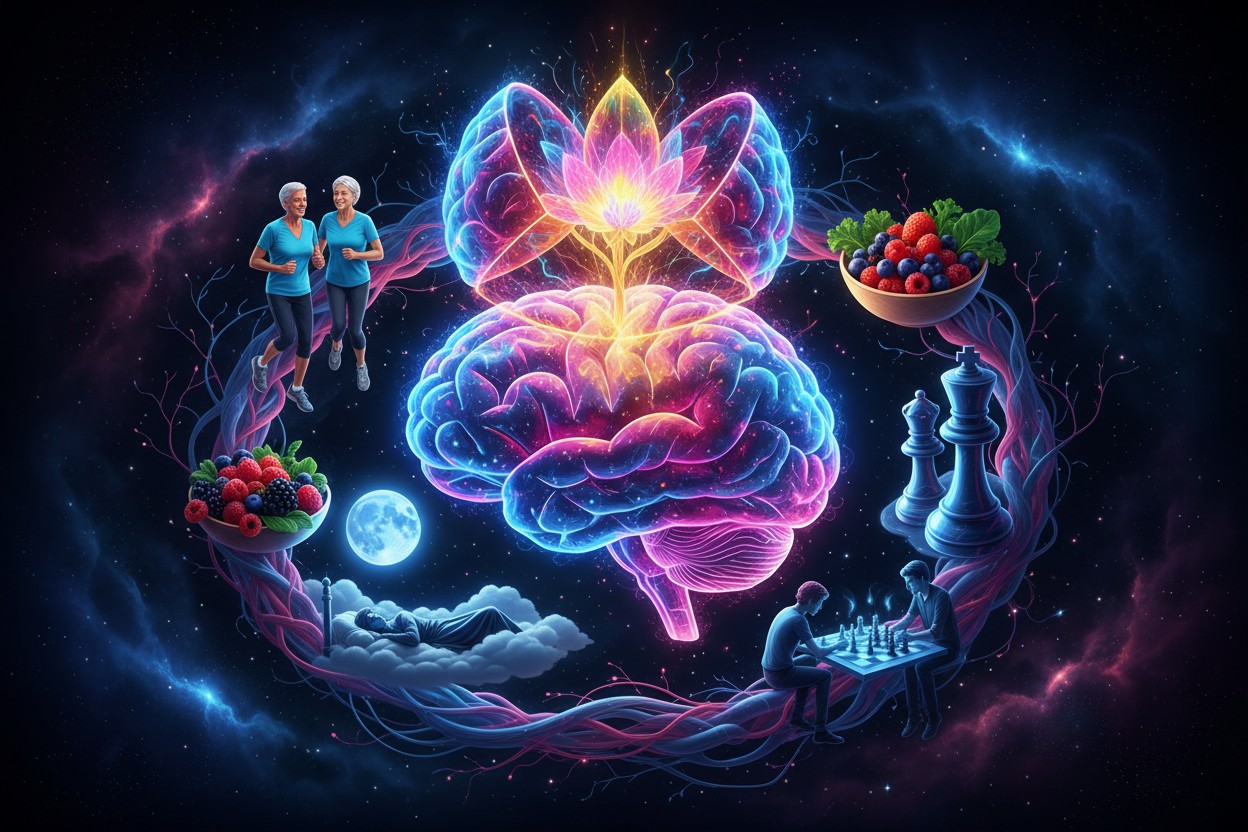
The most effective approach involves the "integration of modalities." By participating in group classes or public lectures, individuals combine physical movement, social interaction, and intellectual challenge, effectively triggering multiple cognitive pathways simultaneously. This multi-modal approach creates a "cognitive reserve"—a buffer that can mask the clinical signs of age-related decline for years or even decades.
The MIND Diet: Fueling the Neural Network
Nutrition serves as the chemical foundation for brain function. The MIND diet (a hybrid of the Mediterranean and DASH diets) is specifically designed to support long-term cognitive health. By prioritizing beans, berries, nuts, olive oil, leafy greens, and fatty fish, individuals can significantly reduce systemic inflammation and oxidative stress.
Conversely, energy-dense diets high in processed sugars and trans fats have been linked to increased cholesterol and triglyceride levels. These factors impair blood flow to the brain, directly impacting the integrity of the vascular system that feeds the neural network. Research published in the Annals of Neurology confirms that long-term adherence to these nutrient-dense dietary patterns is associated with a significantly lower risk of developing Alzheimer’s disease.
The "Cognitive Reserve": Continued Learning
Perhaps the most empowering realization of recent medical research is that the brain never loses its capacity for growth. The concept of "cognitive reserve" suggests that the more we challenge our minds throughout life, the more resilient our brains become to damage.
A 2023 longitudinal study found that older adults who committed to learning new, complex skills performed as well on cognitive assessments as individuals decades their junior. The brain treats new and surprising information as a signal to reinforce its internal infrastructure. By prioritizing lifelong learning, one can essentially "future-proof" the mind against the inevitable synaptic attrition that accompanies aging.
Managing the Silent Risks: The Seventh Habit
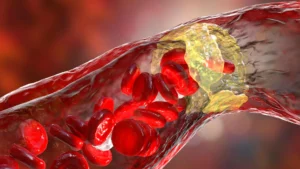
The seventh and final habit is the proactive management of chronic conditions. Hypertension, diabetes, and obesity are not just cardiovascular issues; they are primary threats to brain volume. These conditions damage the delicate capillaries that oxygenate the brain. Chronic high blood pressure, in particular, is linked to the shrinking of memory-related regions, such as the hippocampus.
Furthermore, a sedentary lifestyle—even in those who exercise regularly—poses a hidden risk. Prolonged sitting is associated with reduced brain volume, underscoring the need for "movement snacks" throughout the workday. When combined with smoking and high blood pressure, these factors significantly escalate the risk of dementia. The management of these markers is not just about extending life; it is about extending the quality of the life being lived.
Implications for the Future
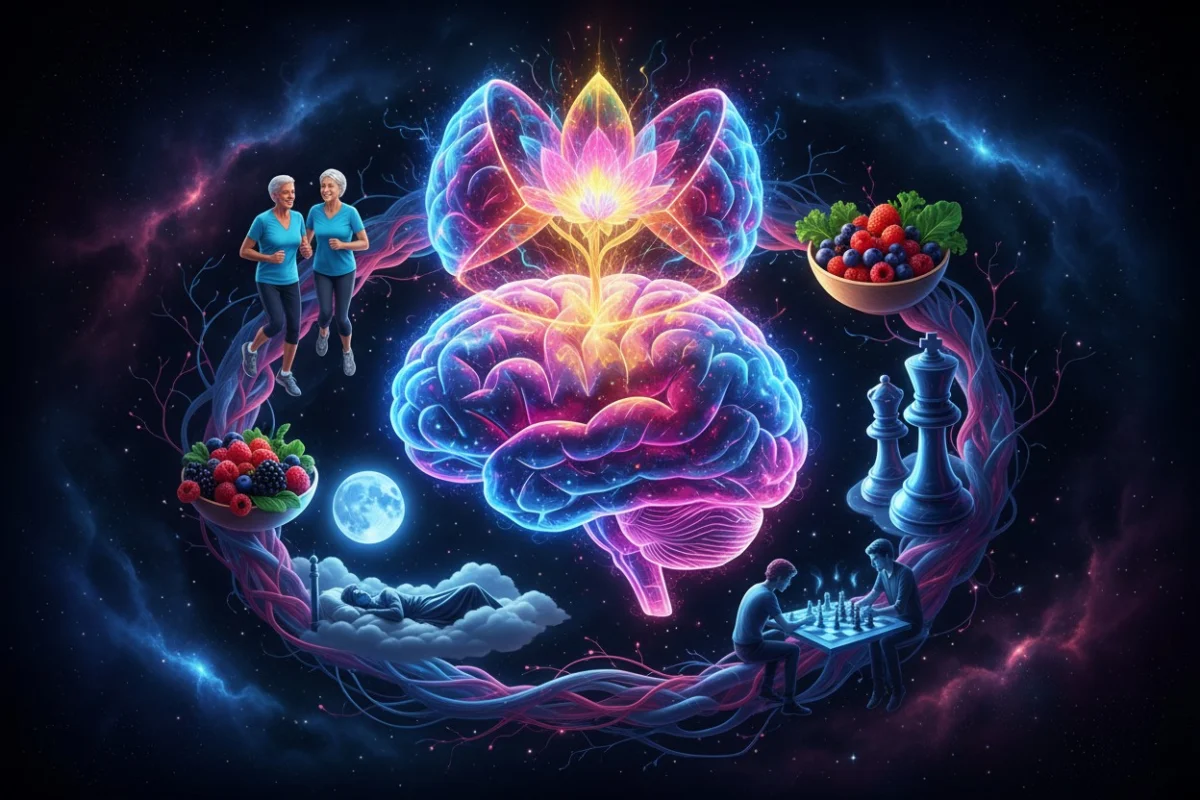
The convergence of these seven habits—regular exercise, adequate sleep, cognitive stimulation, social interaction, a nutrient-dense diet, continuous learning, and condition management—offers a roadmap for healthy aging. While individual medical histories play a role, the collective evidence suggests that we are far from helpless in the face of cognitive decline.
Medical professionals emphasize that early detection is key; anyone experiencing memory loss that disrupts daily life should consult a provider for a professional evaluation. However, for the majority of the population, these habits represent a low-cost, high-impact framework for longevity.
As we move toward a future where our lifespans are increasingly extended, the primary focus of public health must shift toward the "healthspan." By treating our brains as active, dynamic systems that require consistent maintenance, we can move away from the fatalistic view of aging. Memory, it seems, is not merely something we possess; it is something we actively create, sustain, and protect through the daily choices we make. The evidence is clear: the most effective medicine for the aging mind is the conscious, daily application of these foundational lifestyle habits.