









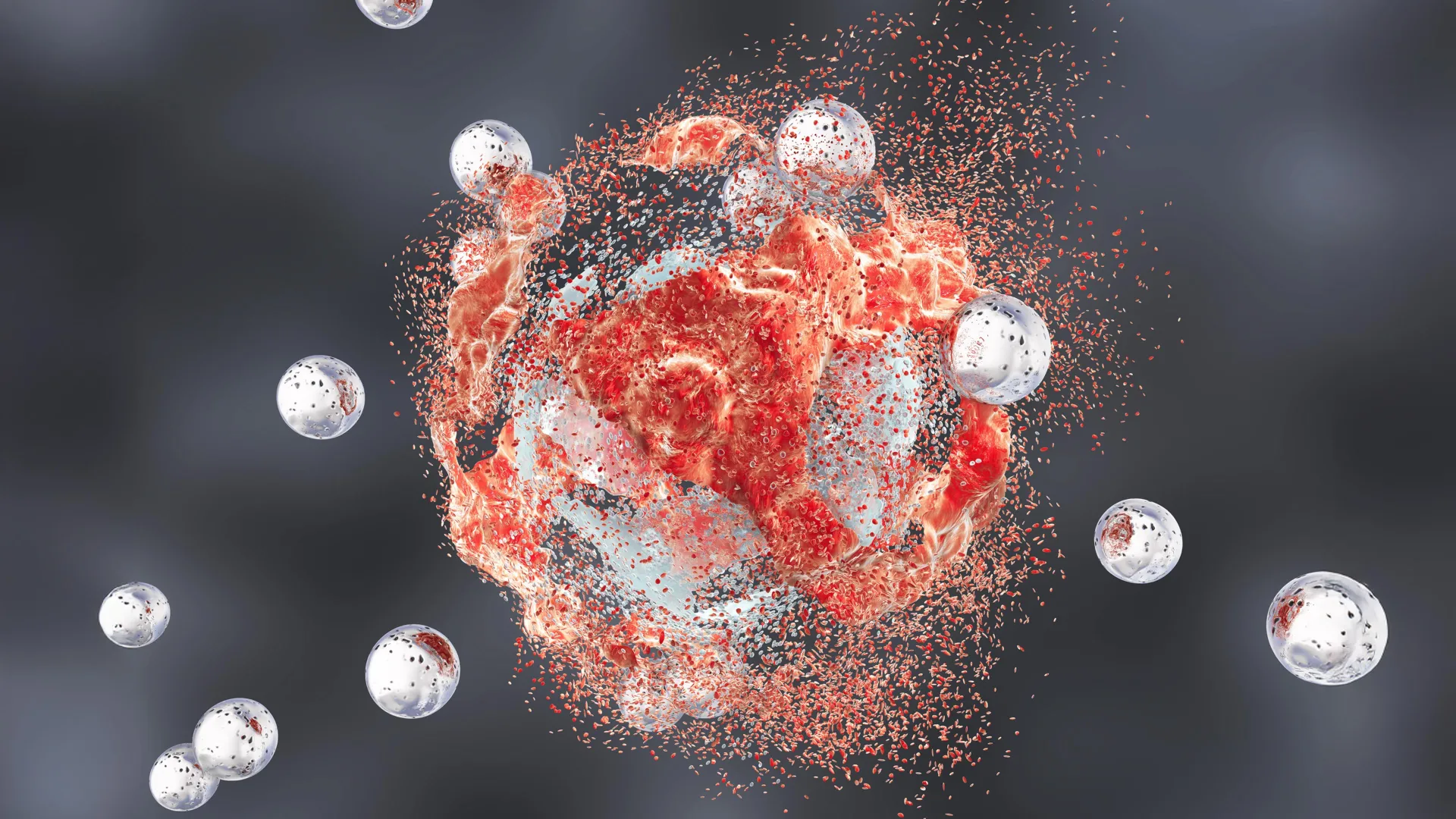
In the relentless battle against oncology’s most formidable adversaries, small cell lung cancer (SCLC) has long stood as a grim outlier. Characterized by its rapid growth and aggressive nature, this malignancy has historically evaded the diagnostic and therapeutic breakthroughs that have transformed outcomes for other cancers. However, a landmark study published in the journal Cancer Cell by researchers at WEHI (Walter and Eliza Hall Institute) has unveiled a promising new frontier: a previously overlooked population of immune cells capable of piercing the cancer’s "invisibility cloak."
This discovery does more than identify a biological curiosity; it points toward a potential paradigm shift in immunotherapy. By harnessing these specialized cells—known as gamma-delta (γδ) T cells—and utilizing existing, FDA-approved medications to amplify their efficacy, scientists believe they have found a viable pathway to turn the tide against a disease that has seen little progress in decades.
The Persistent Challenge of Small Cell Lung Cancer
To understand the gravity of this discovery, one must first recognize the clinical reality of SCLC. It is among the most lethal forms of malignancy, with a five-year survival rate hovering below 7%. While the advent of immunotherapy has fundamentally altered the landscape for non-small cell lung cancer, melanoma, and renal cell carcinoma, SCLC has remained stubbornly resistant.
The primary hurdle is the cancer’s profound ability to escape immune surveillance. Conventional T cells, which serve as the "special forces" of the immune system, are often blind to SCLC tumors. These tumors employ sophisticated molecular disguises, effectively hiding from detection and allowing the disease to proliferate unchecked. Because most existing immunotherapy treatments rely on the activation of these conventional T cells, the majority of SCLC patients have seen only limited, if any, benefit from current regimens.
Chronology of the Discovery: From Data to Laboratory
The path to this discovery was not linear; it was a meticulous process of reverse-engineering clinical outcomes to uncover biological truths.
Phase 1: Analyzing the Clinical Blueprint
The research began by re-examining data from two of the most influential clinical trials in the field: IMpower133 and CASPIAN. These trials were instrumental in establishing current immunotherapy standards for SCLC. While the trials showed some modest improvements, the WEHI research team, led by Professor Kate Sutherland, sought to understand why some patients responded favorably while the majority did not.
Using advanced genomic sequencing and high-resolution bioinformatics, the team looked for immune signatures that correlated with better survival rates. They identified a recurring, previously ignored "signal"—the presence of gamma-delta T cells.
Phase 2: Validating in "Mini-Tumors"
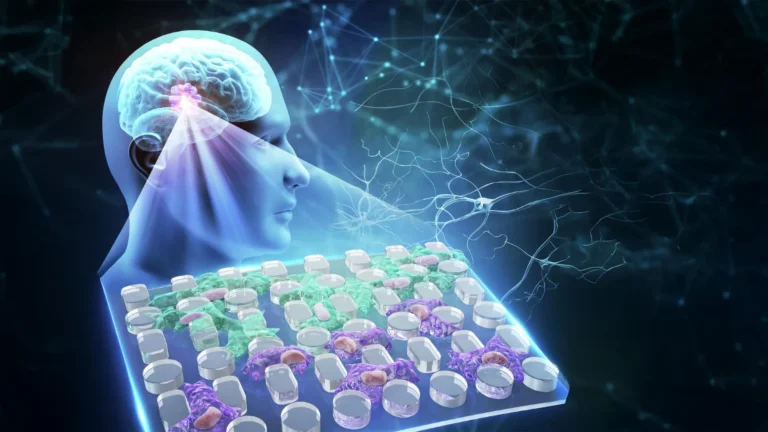
With the computational evidence in hand, the team moved to the laboratory. Collaborating with the Victorian Cancer Biobank and the Royal Melbourne Hospital, they utilized patient-derived tissue samples to grow "mini-tumors." These laboratory models are considered the gold standard for testing drug-tumor interactions, as they preserve the architectural and biological complexity of the original cancer.
When researchers introduced gamma-delta T cells into these mini-tumors, the results were definitive. Unlike conventional T cells, which frequently failed to engage with the SCLC cells, the gamma-delta T cells actively identified and neutralized the cancer cells, demonstrating a potent, intrinsic ability to bypass the tumor’s defenses.
Supporting Data: The Synergy of Existing Therapeutics
Perhaps the most exciting aspect of the study is the researchers’ focus on "repurposing." Recognizing that developing entirely new drugs from scratch can take decades, the team tested whether existing, approved medications could act as "force multipliers" for these immune cells.
They focused on two specific agents:
- Zoledronate: Long used to treat osteoporosis and cancer-related bone disease, this drug was found to act as a catalyst. It significantly expanded the population of gamma-delta T cells and, crucially, sensitized the SCLC cells to be more "visible" to the immune system.
- Tarlatamab: A recently approved SCLC treatment, this drug served as a bridge, physically bringing the gamma-delta T cells into close proximity with the tumor cells, thereby facilitating a more efficient "kill."
When the researchers combined these two drugs in their laboratory models, they observed a synergistic effect that was significantly more effective than either treatment used in isolation. This suggests that the future of SCLC treatment may lie in "cocktail" therapies that combine precision immunotherapy with existing clinical agents.
Official Responses and Expert Perspectives
Professor Kate Sutherland, the senior author of the study and a laboratory head at WEHI, emphasized the significance of these findings during a recent briefing.
"For decades, we’ve known that small cell lung cancer is exceptionally good at hiding from the immune system," Professor Sutherland stated. "We have essentially found an immune cell that appears to be able to see through that disguise. This is the strongest evidence yet that gamma-delta T cells are not only present in these cancers but are actively capable of fighting the disease."
Dr. Jin Ng, the study’s first author, echoed these sentiments, highlighting the clinical potential for "adoptive cell transfer." This process involves extracting a patient’s own immune cells, expanding their numbers in a controlled laboratory environment, and reinfusing them back into the patient.
"Because methods for expanding and reinfusing gamma-delta T cells already exist, our findings raise the exciting possibility of rapidly translating this discovery into new treatment strategies," Dr. Ng explained. "This could open an entirely new avenue for personalized treatment approaches—not just for small cell lung cancer, but for other solid tumors that have similarly evaded conventional immune detection."
Implications: A New Era of Immunotherapy?
The discovery carries profound implications for the future of oncology. By shifting the focus from conventional T cells to the gamma-delta population, the research effectively redefines the scope of what is "targetable" in aggressive cancers.
Bridging the Gap in Personalized Medicine
The ability to identify patients who possess higher baseline levels of these cells could lead to better patient stratification. Patients with lower counts might be prioritized for treatments like zoledronate to "prime" their immune systems, while those with higher counts might be immediate candidates for adoptive cell therapy.
A Faster Path to the Clinic
Because the medications identified—zoledronate and tarlatamab—are already established in clinical practice, the safety profiles are well-understood. This drastically reduces the time and bureaucratic hurdles typically associated with bringing a new cancer drug to market. The team at WEHI is already working alongside the Doherty Institute to bridge the gap between this laboratory success and human clinical trials.
Expanding to Other Solid Cancers
While SCLC was the primary focus, the mechanisms identified are likely applicable to other "cold" or immune-evasive tumors, such as pancreatic or certain types of ovarian cancer. If the immune system can be trained to recognize these disguised tumors, it could potentially change the prognosis for millions of patients globally.
Looking Forward: The Road Ahead
While the laboratory results are groundbreaking, the research team remains cautious and diligent. The transition from mini-tumors in a dish to a human clinical trial involves rigorous testing to ensure that the systemic administration of these drugs remains safe and that the immune response is durable.
The financial and logistical support for this research—provided by the Cancer Council Victoria, the National Health and Medical Research Council (NHMRC), The CASS Foundation, and The International Association for the Study of Lung Cancer—highlights the global importance of this work.
As the WEHI team moves forward, the scientific community watches with renewed optimism. For a disease that has historically been defined by its hopelessness, the discovery of a hidden immune guardian offers a rare and powerful glimmer of light. The "invisibility cloak" of small cell lung cancer may finally be beginning to slip, and with it, the possibility of a future where this aggressive killer is no longer untouchable.