











For millions of Americans, the daily ritual of swallowing a fish oil capsule has become a cornerstone of preventative health. Driven by the promise of sharper memory, sustained cognitive function, and a shield against the encroaching shadows of Alzheimer’s disease, consumers spend upwards of $1 billion annually on omega-3 fatty acid supplements. These essential nutrients—primarily docosahexaenoic acid (DHA) and eicosapentaenoic acid (EPA)—are biologically vital, serving as the building blocks for the delicate connections between neurons that facilitate learning and memory.
However, a landmark study conducted by researchers at Keck Medicine of the University of Southern California (USC) has cast significant doubt on the efficacy of these supplements. The findings, published in the journal eBioMedicine, suggest that while these fatty acids are essential, the act of supplementing them in high doses does not necessarily translate into a "cognitive shield" for the aging brain.
The Study: Putting Supplements to the Test
The two-year clinical trial, which sought to bridge the gap between biological theory and clinical outcome, enrolled 365 participants aged 55 to 80. Every participant in the cohort was identified as being at an elevated risk for Alzheimer’s disease—a population that stands to benefit the most from successful preventative strategies.
A critical inclusion criterion for the study was that participants reported a low baseline intake of fish, ensuring that the researchers were observing the effects of the supplements in individuals who were not already saturating their systems with dietary omega-3s. Furthermore, the researchers specifically recruited a high-risk group: nearly half (47%) of the participants carried the APOE4 gene variant. As the most significant genetic risk factor for late-onset Alzheimer’s, the presence of APOE4 adds a layer of vulnerability, making these subjects a primary target for potential preventative interventions.
The methodology was rigorous. The trial was double-blinded and randomized, with participants receiving either a daily dose of 2,000 mg of DHA or a placebo. This design effectively eliminated the "expectancy bias" that often muddies the results of nutritional supplement trials. By monitoring both groups over two years, the researchers aimed to establish a definitive link between supplementation and brain health.
Chronology of a Failed Hypothesis
The research journey was structured in distinct phases to ensure that if the supplements failed, the researchers would understand exactly where the process broke down.
Phase I: The Absorption Check (Months 0–6)
Before the researchers could determine if fish oil helped the brain, they first had to prove it could actually reach the brain. The blood-brain barrier is notoriously selective, often preventing substances from entering the central nervous system. To test this, the team measured DHA concentrations in the cerebrospinal fluid (CSF)—the fluid that cushions the brain and spinal cord. The results were clear: after six months, DHA levels in the CSF of those taking the supplements had increased by an average of 17%. The supplement was doing its job of delivery.
Phase II: Cognitive and Structural Assessment (Months 6–24)
With the confirmation that the omega-3s were successfully crossing the blood-brain barrier, the focus shifted to clinical outcomes. Researchers performed comprehensive cognitive testing at the start of the study and at its conclusion two years later. Despite the 17% boost in cerebral DHA, those taking the supplements showed no statistically significant advantage in memory or executive function compared to the placebo group.
Phase III: Imaging Analysis
The final blow to the hypothesis came from brain imaging. The hippocampus—a deep-seated brain structure critical for memory formation—is known to shrink in the early stages of Alzheimer’s. Researchers used advanced imaging to monitor hippocampal volume throughout the trial. They found no evidence that the high-dose DHA supplements prevented or slowed the shrinkage of this vital region.
Analyzing the Data: A Disconnect Between Nutrition and Function
The study’s findings present a confounding "Omega-3 Paradox." If DHA is a fundamental component of neuronal cell membranes and essential for the communication between nerve cells, why does increasing its presence in the brain fail to stave off cognitive decline?
The data suggests that the brain’s ability to "utilize" these fats may be more complex than simply increasing their availability. Dr. Hussein Naji Yassine, MD, the study’s lead investigator and director of the USC Center for Personalized Brain Health, emphasizes that while the supplement reached the target site, the brain’s machinery for processing those fats may be compromised by age, inflammation, or underlying metabolic issues.
"We all wish there was a silver bullet for preventing Alzheimer’s," Dr. Yassine noted. "But our findings showed that fish oil supplements do not appear to protect brain health. While omega-3s play an important role in forming brain cell connections, our results do not support fish oil supplements as a preventive measure against Alzheimer’s in this population."
Implications: The Shift Toward Holistic Health
The implications of this study are profound, both for the pharmaceutical industry and the millions of Americans who rely on over-the-counter supplements.
The Failure of "Nutrient Isolation"
One of the most significant takeaways is the potential failure of the "nutritional reductionist" approach. For years, the health industry has attempted to distill the benefits of complex diets into single pills. The USC study suggests that the human body may require the "synergy" of a whole diet to gain the protective benefits of nutrients.
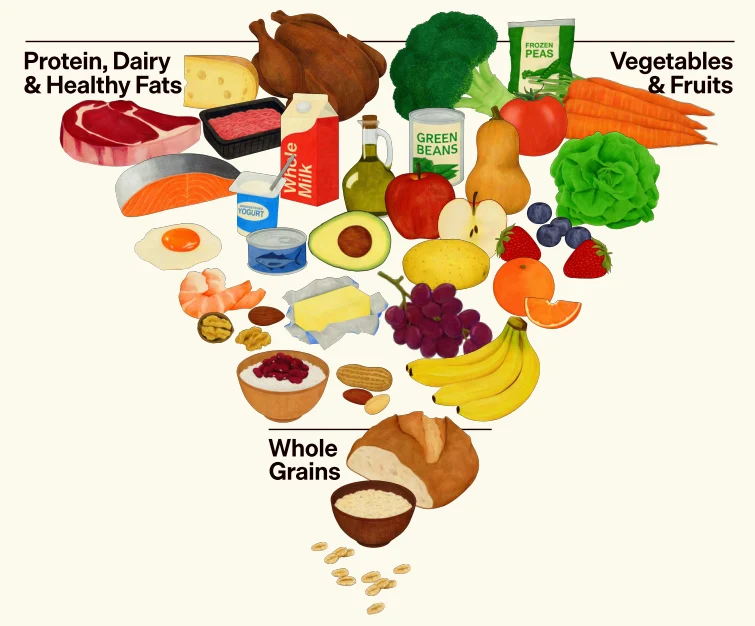
The Mediterranean-style diet—rich in fish, legumes, whole grains, nuts, and olive oil—remains one of the most effective interventions for brain health. Unlike a supplement, which provides a concentrated dose of one fat, the Mediterranean diet provides a complex matrix of antioxidants, fiber, and varied fatty acids that interact in ways that scientists are only beginning to understand.
Rethinking Alzheimer’s Prevention
The medical community is increasingly moving toward the "Car Maintenance Model" of brain health, as suggested by Dr. Yassine. If the brain is an engine, then supplements are merely one additive. If the engine is clogged with debris—due to poor sleep, sedentary behavior, systemic inflammation, or poor blood flow—adding high-quality oil (DHA) will not make the engine run better.
The study underscores that the most effective, evidence-based tools for preventing cognitive decline remain:
- Consistent Physical Activity: Enhancing cardiovascular health to ensure optimal blood flow to the brain.
- High-Quality Sleep: The brain’s "waste disposal" system (the glymphatic system) is most active during sleep, clearing out the proteins associated with Alzheimer’s.
- Dietary Patterns: Prioritizing the intake of whole foods over the consumption of synthetic supplements.
A Future for Targeted Therapy?
While the current study is a setback for the supplement industry, it serves as a breakthrough for neuroscience research. By proving that the DHA reached the brain but failed to function, researchers have opened a new door: the search for medications that can help the brain "utilize" these nutrients more effectively.
"We are working to develop medications that may help the brain better utilize these nutrients to preserve cognitive function," Dr. Yassine stated. The future of Alzheimer’s prevention may not lie in simply adding more nutrients to the diet, but in fixing the underlying metabolic pathways that allow the aging brain to ignore the nutrients it already has.
Conclusion
The USC study serves as a sobering reminder that there is no substitute for a healthy lifestyle. For those hoping to find a quick fix in a bottle of fish oil, the evidence is now clear: high-dose supplementation is not a substitute for the hard work of maintaining physical, mental, and nutritional health. While the search for an Alzheimer’s "silver bullet" continues, the most potent medicine remains the choices we make every day—from the foods we eat to the exercise we pursue.
The scientific community continues to explore the nuance of the aging brain, but for now, the message to the public is one of redirection: focus on the whole, not the part, and prioritize established healthy behaviors over expensive, potentially ineffective, singular interventions.