








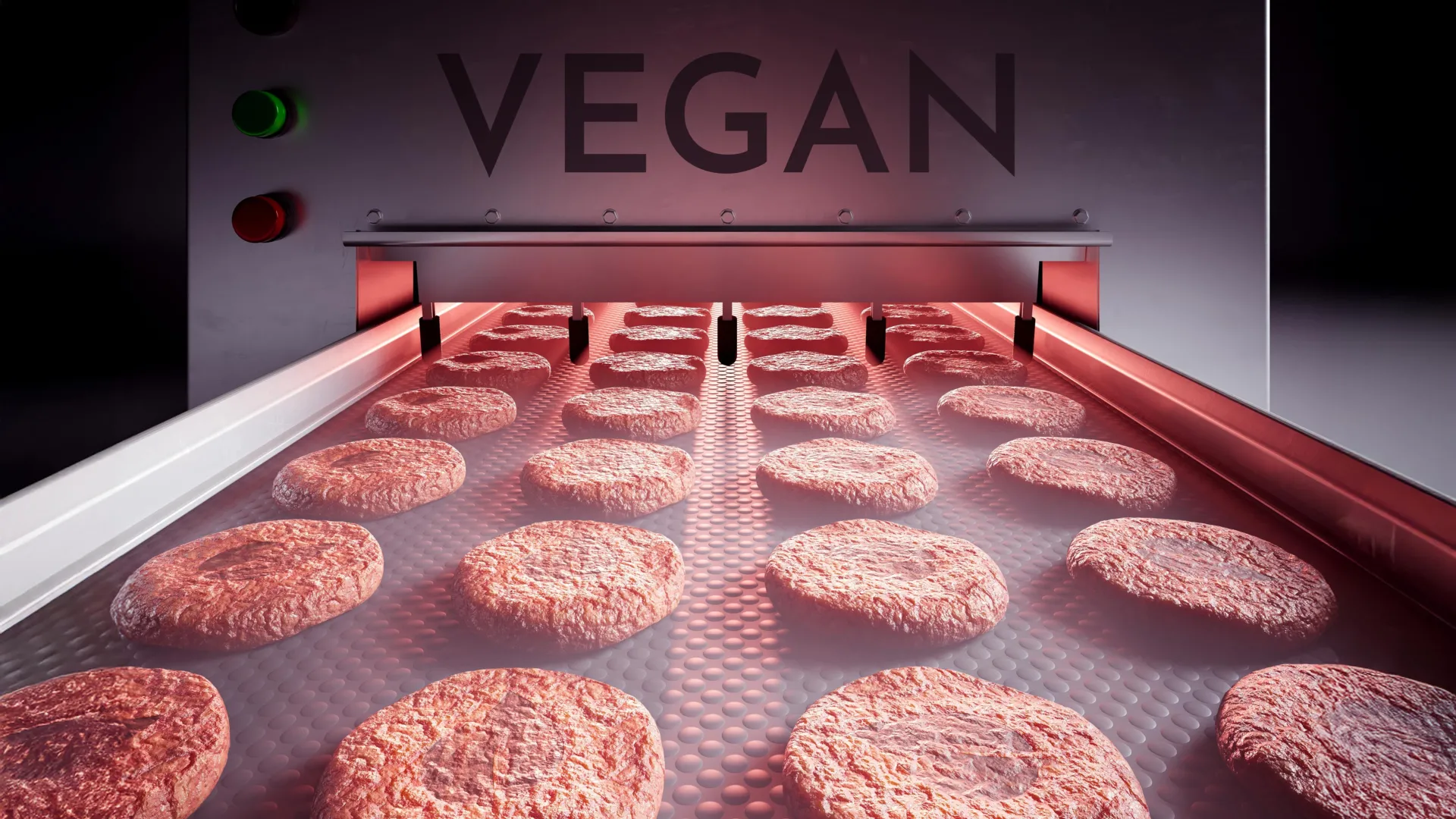
As the global shift toward plant-based diets accelerates, millions of consumers in the United Kingdom are increasingly turning to plant-based meat alternatives (PBMAs) and plant-based beverages (PBBs) as perceived healthier, more sustainable choices. However, a groundbreaking study recently published in the journal Food Control has shed light on a hidden, naturally occurring concern: the widespread presence of mycotoxins—toxic compounds produced by fungi—within these popular supermarket staples.
While the findings indicate that current levels remain within safe regulatory boundaries, the ubiquity of these toxins in the modern vegan diet has prompted experts to call for more rigorous monitoring and a deeper understanding of long-term cumulative exposure.
The Core Findings: A Pervasive Presence
In a comprehensive survey led by the University of Parma in Italy, in collaboration with Cranfield University, researchers scrutinized 212 distinct plant-based products sourced directly from UK retail shelves. The selection was designed to represent the typical "basket" of a health-conscious British shopper, encompassing a wide array of categories, including vegan sausages, plant-based chicken strips, veggie burgers, and various non-dairy milks derived from soy, almond, and oat.
The results were striking: Every single product tested contained at least one of 19 different mycotoxins. Some products even exhibited a "cocktail effect," where multiple types of mycotoxins were detected in a single sample.
Mycotoxins are secondary metabolites produced by various species of fungi, particularly Aspergillus, Penicillium, and Fusarium. These molds are opportunistic, often infiltrating crops—such as grains, legumes, and oilseeds—during the growing season, the harvesting process, or throughout prolonged storage in damp conditions. Because plant-based meat and beverage manufacturers rely heavily on these specific agricultural inputs, the potential for mycotoxin "hitchhikers" to make their way into processed foods is high.
Chronology: From Farm to Fork
To understand how these toxins arrive in a finished vegan burger, it is necessary to look at the lifecycle of the ingredients.
- Pre-Harvest: Environmental factors, such as extreme heat, drought, or excessive moisture during the flowering stage of cereals or legumes, create an ideal climate for fungal colonization.
- Harvesting and Post-Harvest Storage: If crops are not dried or stored under strictly controlled conditions, fungal spores can proliferate rapidly. Mycotoxins are notoriously heat-stable, meaning they often survive the industrial processing techniques—such as extrusion, boiling, or pasteurization—used to create meat alternatives.
- The Analytical Phase: The research team utilized advanced mass spectrometry techniques to identify the presence of these toxins at trace levels. By quantifying the concentration of 19 different mycotoxins across 212 samples, the study established a baseline for the UK market that had previously been anecdotal or based on isolated reports.
- Publication and Peer Review: The data was compiled and vetted through the Food Control journal, providing a peer-reviewed foundation for food safety agencies to evaluate the current status of the plant-based industry.
Supporting Data and the "Regulatory Safety Net"
The study’s most reassuring finding is that, despite the universal presence of these compounds, the concentrations detected were uniformly below the recommended European Union guideline levels. This is a testament to the robust quality control measures currently employed by the UK food industry, which remains one of the most stringent in the world.
However, the researchers note that "below regulatory levels" does not necessarily mean "absence." The regulatory framework for mycotoxins is often designed for individual commodities—such as raw wheat or raw soy—rather than complex, multi-ingredient processed foods. When a consumer eats a burger made of soy, wheat gluten, and pea protein, they are effectively consuming a concentrated blend of ingredients that may each carry its own trace levels of different mycotoxins.
The researchers argue that while the risk from a single burger is negligible, the "cumulative effect" of a lifestyle built entirely on these products warrants further investigation.
Long-Term Health Implications
The primary concern highlighted by the research team is not acute toxicity—which would result in immediate illness—but rather the long-term, chronic impact of low-dose exposure. Mycotoxins are biologically active compounds. In high concentrations, they are known to be nephrotoxic (damaging to the kidneys), hepatotoxic (damaging to the liver), and immunosuppressive.
Some mycotoxins are also classified as potential carcinogens. The scientific community has long debated the "threshold of concern" for chronic, low-level intake. If a consumer follows a strict plant-based diet, they may be exposed to these compounds at every meal, every day.
"The concern is not necessarily the amount present in a single product," the researchers stated. "Previous research studies have indicated that repeated exposure to small amounts of mycotoxins can add up over time and may eventually create health concerns."
The study provides the necessary data for future risk assessments, enabling toxicologists to calculate the "Total Dietary Exposure" for individuals who rely on these products as their primary source of nutrition.
Expert Perspectives: A Call for Vigilance
Andrea Patriarca, Senior Lecturer in Mycology at Cranfield University, has been instrumental in framing the conversation around these findings. Speaking on the implications of the study, he emphasized a balanced perspective:
"Mycotoxins occur naturally in foods and cannot be completely avoided. As consumers, we should not be frightened or deterred from enjoying a variety of products," Patriarca noted. "However, a significant concern arises when new foods enter the market, as there are currently no established regulations to monitor mycotoxins [in complex, multi-ingredient products]."
Patriarca suggests that the rapid innovation in the plant-based sector—where new "meat-like" products are appearing on shelves every month—has outpaced the development of specialized safety monitoring. He advocates for:
- Integrated Management: Collaborating with farmers and food manufacturers to implement pre-harvest and storage interventions, such as improved moisture control and fungal-resistant crop varieties.
- Regulatory Updates: Updating safety guidelines to reflect the unique composition of highly processed, multi-ingredient plant foods.
- Public Awareness: Educating consumers, particularly those with underlying health conditions, on the importance of dietary variety to mitigate the risk of consuming the same fungal contaminants repeatedly.
The research team is currently working with the University of Parma to model population-level risks based on various dietary habits, aiming to provide policymakers with the evidence needed to update food safety standards.
Implications for the Future of Food
The plant-based food industry is at a crossroads. As it moves from a niche market to a mainstream staple of the British diet, the expectations for safety, transparency, and nutritional quality are rising. The findings from the Food Control survey should not be viewed as a signal to abandon plant-based eating, but rather as a roadmap for industry maturation.
For the consumer, the takeaway is one of "informed consumption." Variety remains the best defense against any potential dietary hazard. By diversifying one’s diet—incorporating whole foods, vegetables, fruits, and grains, rather than relying exclusively on highly processed meat alternatives—the risk of cumulative exposure to any single mycotoxin is significantly reduced.
For the industry, the study serves as a call to action. Food safety organizations and private companies must now work in tandem to improve supply chain transparency. Testing for mycotoxins should become a standard part of the quality assurance process for raw material suppliers.
As we continue to navigate the transition toward a more sustainable food system, the lessons learned from this study will be vital. By proactively managing the naturally occurring risks in our food supply, we can ensure that the transition to plant-based eating is as safe as it is environmentally beneficial.
Note: This research was carried out under the Horizon Europe FunShield4Med project (HORIZON-WIDERA-2021-ACCESS-03), Grant Agreement No 101079173, funded by the European Union. The full paper, "Mycotoxin contamination in plant-based beverages and meat alternatives: A survey of the UK market," is available for further review in the journal Food Control.