









Date: 6 August, 2026
Location: European Respiratory Society (ERS) Global Network
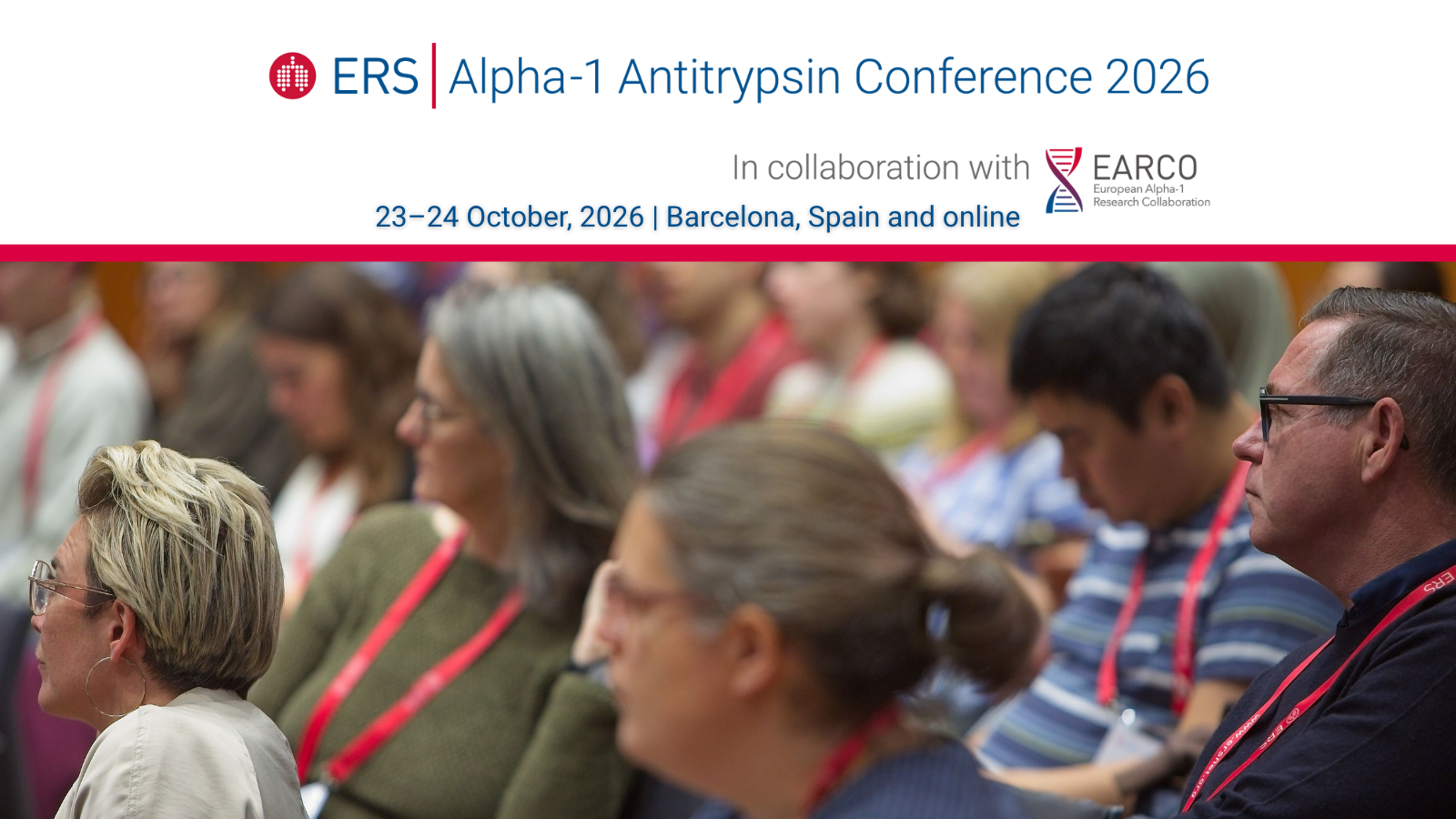
As the medical community turns its focus toward the upcoming Alpha-1 Antitrypsin Deficiency (AATD) Conference in October 2026, the stakes for clinical management and patient outcomes have never been higher. AATD, a genetic condition that predisposes individuals to early-onset emphysema and liver disease, remains one of the most underdiagnosed conditions in respiratory medicine. This year’s conference, hosted by the European Respiratory Society, aims to shatter barriers to diagnosis and foster a new era of collaborative global care.
The gathering serves as a nexus for clinicians, researchers, allied health professionals, and patient advocacy groups. By facilitating a multi-disciplinary dialogue, the conference seeks to move beyond theoretical research, translating laboratory breakthroughs into tangible improvements at the bedside.
Main Facts: The State of AATD in 2026
Alpha-1 Antitrypsin Deficiency is caused by mutations in the SERPINA1 gene, leading to a deficiency of the alpha-1 antitrypsin protein, which protects the lungs from inflammatory damage. Despite decades of research, the “diagnostic odyssey”—the time between symptom onset and formal diagnosis—remains frustratingly long for many patients.
The 2026 conference is built upon three fundamental pillars:
- Accelerated Diagnostics: Shifting the paradigm from reactive to proactive screening.
- Precision Phenotyping: Recognizing that AATD does not manifest uniformly across all patients.
- Global Collaboration: Leveraging data from the European Alpha-1 Research Collaboration (EARCO) to standardize care protocols across borders.
For attendees, the event is not merely a lecture series; it is an incubator for the next generation of management strategies. From the role of cutting-edge CT imaging to the integration of novel biomarkers, the conference is designed to address the "missing millions" who remain undiagnosed worldwide.
Chronology: The Evolution of AATD Research
The trajectory of AATD management has been defined by a move toward centralization and collaborative registry systems.
- Early 2000s: The focus was primarily on identifying the genetic basis and establishing the efficacy of augmentation therapy.
- 2010–2020: The establishment of the EARCO registry marked a turning point. For the first time, researchers had a unified data set to track the natural history of the disease across European populations.
- 2023–2025: Emerging research into biomarker-based monitoring began to show promise in predicting lung function decline more accurately than traditional spirometry alone.
- October 2026: The ERS conference arrives at a critical juncture. With the initiation of the "EARCO-3" programme, the focus has shifted toward predictive modeling and personalized therapeutic interventions.
Supporting Data: Why This Conference Matters
The urgency of the conference is underscored by current epidemiological data. Estimates suggest that while hundreds of thousands of people carry the severe ZZ genotype, a significant majority remain unaware of their status.
The EARCO-3 Objective
The EARCO-3 programme, to be discussed extensively at the conference, is a multi-year initiative designed to harmonize international registries. By pooling longitudinal data, researchers can identify the subtle clinical markers that precede irreversible lung damage. Early reports suggest that patients enrolled in structured registry programs show a marked improvement in long-term survival rates compared to those managed in isolation.
The Role of Imaging
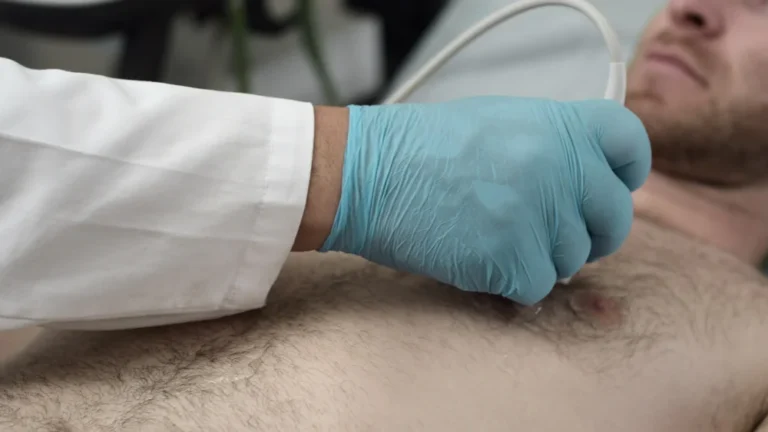
A significant portion of the conference will be dedicated to high-resolution computed tomography (HRCT) and its role in tracking emphysema progression. Recent pilot studies have demonstrated that quantifying lung density changes can predict exacerbations up to six months before they manifest clinically. This shift toward quantitative imaging represents a massive leap forward in proactive disease management.

Official Perspectives: Expert Insights on Key Themes
The conference program has been curated to address the most pressing questions in the field today.
1. New Advances from EARCO
The session on EARCO updates will be a focal point for attendees. Experts will discuss how the registry is no longer just a repository of patient data but a live, interactive tool for clinical decision-making. By analyzing the "new advances" segment of the registry, the team hopes to identify patient subsets that respond best to specific environmental and pharmacological interventions.
2. Refining Diagnosis and Follow-Up
The session titled Strategies for Diagnosis and Follow-Up is expected to be a contentious and lively debate. The challenge of identifying AATD in primary care settings remains a persistent hurdle. The conference will introduce new "red flag" diagnostic algorithms designed for general practitioners, aimed at increasing the rate of incidental diagnosis during routine respiratory check-ups.
3. Clinical Phenotypes and Bronchiectasis
Perhaps the most nuanced discussion will center on Clinical Phenotypes. It is increasingly evident that AATD is not a monolithic disease. The conference will highlight the complex intersection between AATD and bronchiectasis. Understanding why certain AATD patients develop airway dilation while others develop classic panlobular emphysema is key to customizing care. Experts will present evidence that suggests these phenotypes may be dictated by a combination of epigenetic factors and environmental triggers.
Implications: The Future of AATD Management
The implications of the 2026 ERS Conference are profound. For the clinician, it means access to a more granular, evidence-based approach to patient care. For the patient, it represents the hope of earlier intervention, which is the single most important determinant of life expectancy in AATD.
Professional Growth and Engagement
The conference provides a unique environment for the exchange of expertise. Beyond the scheduled sessions, the peer-to-peer networking opportunities allow for the cross-pollination of ideas. Whether it is a researcher from a large university hospital sharing data with a clinician from a rural clinic, the conference functions as a leveling field for expertise.
Shaping Future Policy
By bringing together the stakeholders involved in AATD, the ERS is effectively lobbying for a change in public health policy. The goal is to move AATD from a "rare disease" categorization to a "managed condition" that is routinely screened for in all patients presenting with unexplained COPD or chronic liver disease.
Conclusion: Join the Conversation
The 2026 Alpha-1 Antitrypsin Conference is more than an academic exercise; it is a mobilization effort. As we look toward the sessions in October, the medical community is invited to engage with the latest research, contribute to the discussions, and ultimately, help refine the global standard of care.
For those dedicated to the field, registration remains open, and the full programme is available for review. The path forward is clear: through the synthesis of collaborative data, the precision of new diagnostic tools, and the shared commitment of the medical community, the management of AATD is poised for a significant transformation.
- Register for the ERS Alpha-1 Antitrypsin Conference: Access Registration Portal
- Review the Full Conference Programme: Download PDF/View Online
The future of AATD management is being written now. By participating in this dialogue, you are not just attending a conference—you are helping to shape the clinical landscape for the next decade of patient care. As the medical community converges this October, the focus remains steadfast: to ensure that no patient is left behind, that no diagnosis is missed, and that the quality of life for those living with AATD is preserved through the best science available today.