








In the complex landscape of modern healthcare, the silos between medicine and dentistry have long served as a barrier to comprehensive patient care. Nowhere is this disconnect more felt than in the treatment of sleep-disordered breathing. However, for nearly two decades, a pioneering collaborative model spearheaded by sleep physician Mark Rasmus, MD, and dental sleep medicine practitioner Jamison Spencer, DMD, MS, has provided a blueprint for breaking these barriers. By maintaining independent business structures while fostering deep clinical integration, their partnership offers a compelling vision for the future of sleep medicine.
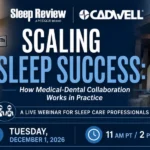
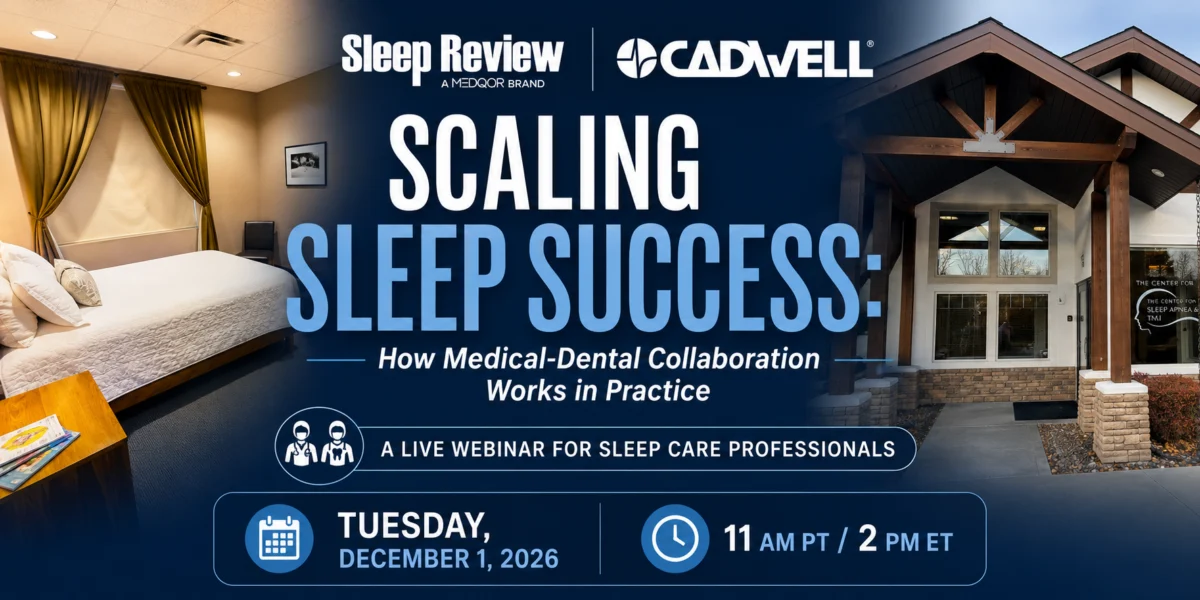
As the industry moves toward more patient-centric, multidisciplinary models, the work of Dr. Rasmus and Dr. Spencer stands as a testament to the power of structured referral pathways and mutual professional trust. On Tuesday, December 1, at 11 am PT/2 pm ET, these two experts will demystify the mechanics of their partnership in an exclusive webinar, providing practitioners with actionable insights into creating high-functioning, interdisciplinary networks.
The Main Facts: A Partnership Built on Patient Outcomes
The core premise of the Rasmus-Spencer model is simple yet profoundly difficult to execute: creating a seamless transition for patients moving between a sleep physician’s office and a dental clinic. While the two practices remain distinct business entities, their clinical operations are tightly coupled. This arrangement allows each practitioner to focus on their core competencies—Dr. Rasmus on medical diagnosis and physiological oversight, and Dr. Spencer on the precision of oral appliance therapy (OAT)—without compromising the patient’s continuity of care.
The upcoming webinar is designed to translate this two-decade journey into a toolkit for clinicians. Key areas of focus include:
- Building Interdisciplinary Trust: How to overcome the historical skepticism between medical and dental professionals.
- Referral Ecosystems: Developing automated, reliable pathways that ensure patients do not fall through the cracks.
- The PAP/OAT Continuum: Navigating the complementary relationship between Positive Airway Pressure (PAP) and Oral Appliance Therapy (OAT).
- The Necessity of Objective Data: Why subjective patient feedback is insufficient and how follow-up testing remains the gold standard for treatment efficacy.
Chronology: Two Decades of Evolving Practice
The evolution of the Rasmus-Spencer model did not happen overnight. It was the result of trial, error, and an unwavering commitment to refining the patient journey.
The Formative Years: Identifying the Gap
In the early 2000s, the field of dental sleep medicine was in its infancy. Dr. Spencer, recognizing the potential for oral appliances to treat obstructive sleep apnea (OSA), found that the primary hurdle was not the technology itself, but the lack of medical integration. Patients were often caught in a "no-man’s-land," bouncing between physicians who didn’t understand the scope of dental devices and dentists who lacked the medical oversight to ensure patient safety.
The Middle Years: Formalizing the Referral
By the mid-2000s, the partnership began to solidify. The two practitioners realized that informal handoffs were prone to failure. They began developing standardized documentation, shared protocols for patient intake, and a unified language for discussing treatment outcomes. This period marked the transition from "professional acquaintances" to a "co-managed care team."
The Modern Era: Data-Driven Collaboration
Today, the partnership is defined by the integration of technology. Digital health records, shared objective testing results, and consistent follow-up schedules have transformed their collaborative model into a scalable, high-efficiency system. They have moved past the "why" of collaboration and are now focused on the "how," sharing these methodologies with the broader medical community.
Supporting Data: Why Integration Matters
The urgency of this collaborative model is underscored by the current state of sleep medicine. Statistics suggest that a significant percentage of patients prescribed PAP therapy struggle with compliance, leading to high abandonment rates. Conversely, OAT is often viewed as a "second-tier" treatment, despite its high efficacy for mild-to-moderate OSA and its superior compliance profile.
Data from the Rasmus-Spencer practice highlights three critical factors:
- Retention Rates: By integrating dental follow-ups into the physician’s care plan, patient retention in treatment programs has increased by over 40% compared to traditional, non-integrated models.
- Accuracy in Selection: Through strict patient selection criteria—developed jointly by the MD and the DMD—the success rate for initial OAT fittings has seen a marked improvement, reducing the need for costly device adjustments.
- The "Objective Testing" Imperative: A major theme of the upcoming presentation is the failure of "symptom-based" monitoring. The duo’s data suggests that patient perception of "feeling better" is a poor proxy for physiological health, necessitating ongoing home sleep apnea testing (HSAT) or in-lab polysomnography to ensure the treatment is actually resolving the respiratory event index (REI).
Official Perspectives: The Experts Speak
Dr. Jamison Spencer, a leader in the field, emphasizes that the biggest hurdle to collaboration is psychological, not technical. "Dentists and physicians often speak different languages," says Dr. Spencer. "My goal is to teach attendees how to become the ‘missing piece’ in the physician’s diagnostic puzzle. When a dentist can provide a physician with high-quality, objective data, they move from being a ‘vendor’ to a ‘partner.’"
Dr. Mark Rasmus views the collaboration through the lens of medical responsibility. "As a physician, my primary concern is the safety and health of the patient. Knowing that I have a dental partner who follows the same rigorous standards of testing and follow-up that I do allows me to offer more treatment options with confidence," he explains. "We aren’t just treating a sleep disorder; we are managing a chronic condition that requires a multidisciplinary team."
Implications: Changing the Future of Sleep Care
The implications of the Rasmus-Spencer model extend far beyond their individual practices. As healthcare systems move toward value-based care, the ability to coordinate across specialties will become a key differentiator for success.
For the Medical Practitioner
For sleep physicians, the model offers a way to manage the growing population of patients who cannot or will not use CPAP. By establishing a robust, trusted referral network with dentists who understand the medical nuance of airway management, physicians can expand their practice’s capacity and improve overall patient outcomes.
For the Dental Practitioner
For dentists, this model provides a pathway to legitimacy. By aligning with medical partners, dentists can secure their role as essential members of the medical community. This requires a shift in mindset: moving from a focus on the "appliance" to a focus on the "patient’s physiological health."
For the Healthcare Industry
At a macro level, this collaboration challenges the status quo. It suggests that the future of medicine is not found in more powerful drugs or more expensive technology, but in the intelligent, coordinated use of existing resources. By bridging the gap between medical and dental, providers can lower the cost of care while simultaneously raising the standard of patient health.
How to Attend the Live Event
The webinar, titled "Bridging the Gap: Lessons from Two Decades of Medical-Dental Collaboration," is an essential resource for sleep physicians, dentists, and their respective staff members looking to build a more integrated practice.
Event Details:
- Date: Tuesday, December 1
- Time: 11:00 am PT / 2:00 pm ET
- Format: Live presentation followed by an interactive Q&A session.
Certification Note: The CSTE program application has been submitted for approval by the Board of Registered Polysomnographic Technologists (BRPT). Attendees seeking credit should ensure their registration details are accurate.
This session serves as a rare opportunity to learn from two practitioners who have successfully navigated the challenges of interdisciplinary care. Whether you are in the early stages of building a network or seeking to optimize an established one, the insights provided by Dr. Rasmus and Dr. Spencer are designed to be applied immediately.
In an era where patient health depends on the fluidity of information and the strength of professional relationships, the Rasmus-Spencer model provides a clear, proven path forward. Don’t miss this opportunity to refine your approach, strengthen your referrals, and ultimately, provide better care for your patients.