





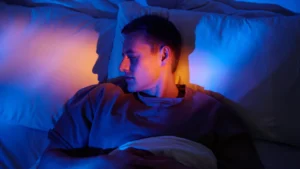


The landscape of sleep medicine is undergoing a profound transformation. Once confined to the clinical walls of dedicated sleep laboratories—where patients spent restless nights tethered to a labyrinth of wires under the watchful eyes of technicians—the diagnostic process has migrated into the home. This shift, driven by the proliferation of Home Sleep Apnea Testing (HSAT) devices, is not merely a change in venue; it is a fundamental reconfiguration of how chronic conditions like Obstructive Sleep Apnea (OSA) and Central Sleep Apnea (CSA) are identified, managed, and treated.
As technology advances, the divide between the "gold standard" of in-lab Polysomnography (PSG) and portable diagnostics is narrowing. Today, clinicians have access to a sophisticated array of devices from manufacturers such as Acurable, Natus Medical, Nox Medical, and ZOLL Itamar, among others. This report examines the current state of HSAT technology, the economic implications for healthcare providers, and the technological trajectory that is defining the future of sleep health.
The Main Facts: Defining the Modern HST Arsenal
At the heart of the modern sleep diagnostic industry lies a complex ecosystem of hardware and software. Modern HSAT devices have evolved from simple pulse oximetry recorders into high-fidelity diagnostic tools capable of measuring everything from peripheral arterial tonometry (PAT) and respiratory effort to complex EEG-based sleep staging.
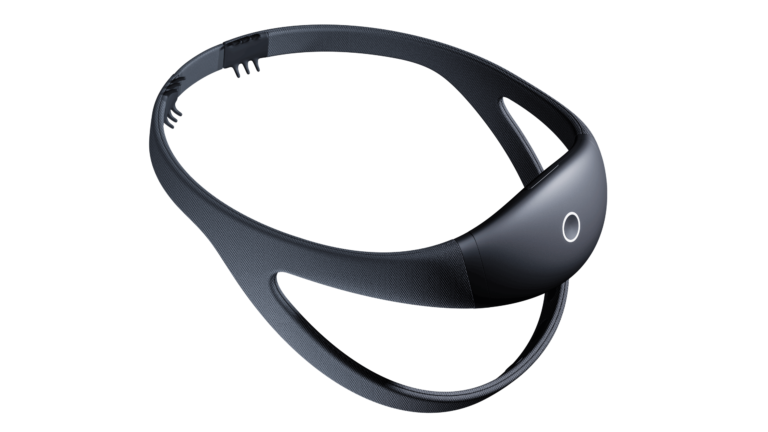
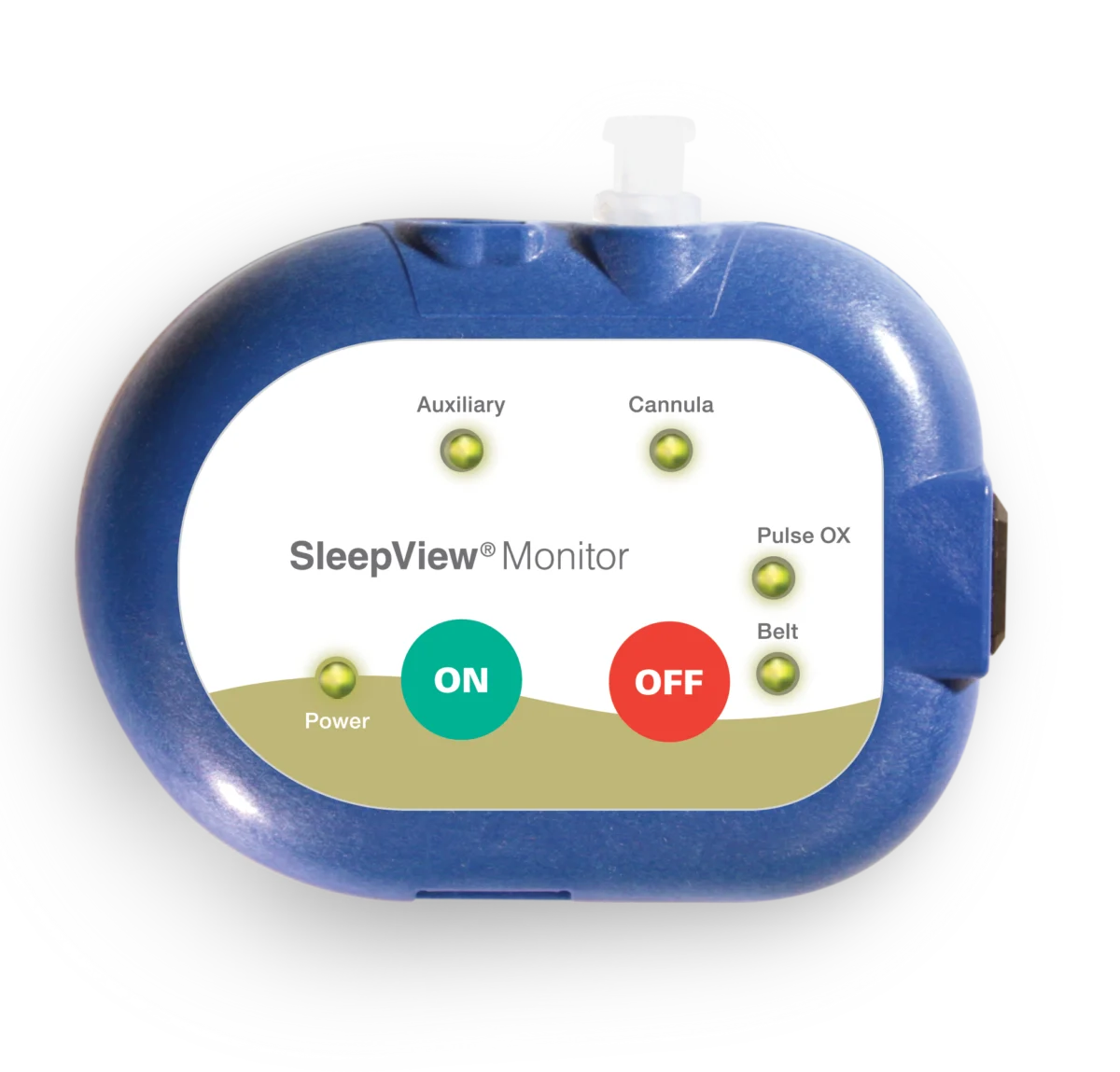
Key players in this sector include established medical device giants and innovative startups. Devices such as the ZOLL Itamar WatchPAT 400, the Nox T3s, and the Onera hPSG represent the pinnacle of current diagnostic capabilities. These devices utilize a range of sensor technologies—including RIP (Respiratory Inductance Plethysmography) belts, PPG (Photoplethysmography) sensors, and dry-electrode EEG patches—to capture data that was previously inaccessible outside of a clinical setting.
The "starting purchase price" for these technologies varies wildly, from budget-friendly, disposable-focused models to enterprise-grade diagnostic systems. For instance, while some providers offer high-end units like the BRAEBON MediByte for roughly $4,495, others, like Acurable, have pioneered service-based models, charging approximately $50 per study. This diversity in procurement—whether through outright purchase, rental, or per-study leasing—allows sleep clinics to scale their operations according to patient volume and capital expenditure budgets.
A Chronological Perspective: From Labs to Living Rooms
The history of sleep diagnostics is a timeline of miniaturization and connectivity.
- The Early Era: In the late 20th century, sleep diagnostics were synonymous with full-night PSG. The complexity of the equipment necessitated professional oversight, leading to the "hospital-centric" model of care.
- The Rise of Portability (2000s): Early HST devices entered the market as "Type III" monitors. These focused primarily on heart rate, airflow, and oximetry. While they were a massive leap forward in accessibility, they lacked the specificity to differentiate between sleep stages or distinguish clearly between obstructive and central apnea events.
- The Digital Transformation (2015–2020): This period saw the integration of cloud computing and mobile connectivity. Devices began to leverage smartphone apps for patient onboarding, data transmission, and automated scoring. The introduction of the WatchPAT ONE exemplified the "disposable" trend, eliminating the need for complex cleaning and sterilization protocols.
- The AI and Wearable Era (2021–Present): We are currently witnessing the integration of Artificial Intelligence (AI) and advanced biosensing. Companies like EnsoData and Sunrise are leveraging AI-driven autoscoring to process vast datasets in minutes, providing clinicians with actionable insights that are competitive with manual scoring by Registered Polysomnographic Technologists (RPSGTs).
Supporting Data: Comparative Technical Capabilities
To understand the current market, one must look at the technical specifications of these devices. The variance in "Maximum Channels" and "Parameter Categories" is significant.
Channel Density and Diagnostic Depth
High-end devices like the Nox T3s offer up to 24 channels (15 recorded, 9 derived), allowing for a granular analysis of respiratory effort, airflow, and neurological activity. Conversely, devices like the PranaQ focus on a more streamlined 4-channel output (SpO2, PPG, heart rate, actigraphy), which is often sufficient for initial screening but may lack the depth required for complex, comorbid patients.
Operational Efficiency
The "Chain-of-Custody" assurance has become a major pain point for clinic administrators. Manufacturers that provide integrated logistics—handling the shipping, cleaning, and sanitization of devices—are increasingly favored. For example, Wesper and Huxley Medical provide comprehensive platforms that support the entire lifecycle of the study, from patient onboarding to final report delivery, effectively acting as an extension of the clinical staff.
Power and Ergonomics
The industry is trending toward rechargeable lithium-ion power sources, though disposable batteries remain a staple for high-volume, single-use environments. The physical footprint of these devices has shrunk dramatically; the Acurable AcuPebble neck sensor, weighing only 7 grams, represents the extreme end of the "invisible diagnostics" movement, ensuring that the act of monitoring does not itself disrupt the sleep it is trying to measure.
Official Responses and Clinical Implications
Industry stakeholders, including the American Academy of Sleep Medicine (AASM), have increasingly endorsed the use of HSAT for patients with a high pre-test probability of moderate-to-severe OSA. However, the move toward "consumer-grade" diagnostics—such as the Happy Health Happy Ring—prompts a necessary debate regarding clinical validation.
The Clinical-Consumer Divide
While consumer wearables offer a "wellness" perspective, clinical-grade HST devices are validated against gold-standard PSG. Companies like SleepImage and ZOLL Itamar emphasize their FDA clearances and the robustness of their algorithms. The consensus among leading sleep physicians is that while consumer devices are excellent for awareness and longitudinal tracking, they should not replace diagnostic-grade equipment for clinical decision-making or CPAP prescription.
Implications for Healthcare Economics
The shift to home testing has significantly reduced the cost-per-diagnosis. By offloading the "sleep lab" expense, clinics can process a higher volume of patients. This is crucial given that an estimated 80% of moderate-to-severe OSA cases remain undiagnosed. The ability to perform multi-night testing (as supported by EnsoData and Sunrise) provides a more accurate representation of a patient’s sleep variability, preventing the "first-night effect" from skewing results.
Implications: The Future of Sleep Health
The future of home sleep testing is not just about recording sleep; it is about providing long-term management. We are moving toward a "Continuum of Care" model.
- Longitudinal Tracking: The integration of follow-up wearables (such as the Wesper Lite) allows clinics to monitor patient adherence to CPAP therapy or oral appliances over months rather than relying on a single follow-up appointment.
- AI-Driven Diagnostics: As AI models improve, the time between recording and diagnosis will continue to shrink. Real-time reporting allows for immediate clinical intervention, which is particularly vital for high-risk patients.
- Neurodegenerative Biomarkers: Advanced monitoring systems, such as those from Advanced Brain Monitoring, are beginning to look beyond respiratory events. By analyzing sleep architecture, these devices are identifying patterns associated with cognitive decline, suggesting that the sleep lab of the future will be a primary site for early detection of neurological diseases.
Conclusion
The rapid expansion of the HSAT market is a testament to the industry’s commitment to patient-centric care. While the sheer variety of devices from companies like Cadwell, Compumedics, and Nihon Kohden can be overwhelming for providers, the result is a more accessible, efficient, and data-rich environment for sleep medicine. As technology continues to bridge the gap between home-based convenience and clinical-grade accuracy, the diagnostic barrier for sleep disorders will continue to fall, ultimately leading to better health outcomes for millions of patients worldwide.
For healthcare providers and hospital systems, the choice of technology now involves a strategic decision: balance the need for high-channel diagnostic precision with the operational benefits of cloud-based, AI-scored, and logistically supported systems. The era of the "one-size-fits-all" sleep test is over; the era of precision, home-based sleep medicine has arrived.