









In a decisive move to curb the rising tide of cardiovascular disease, the American College of Cardiology (ACC) and the American Heart Association (AHA) have released their first comprehensive update to clinical cholesterol management guidelines since 2018. Unveiled on March 28 at the ACC’s 75th Annual Scientific Session in New Orleans, these recommendations represent a significant pivot toward proactive, lifelong heart health, emphasizing earlier screening, advanced risk modeling, and more aggressive therapeutic targets.
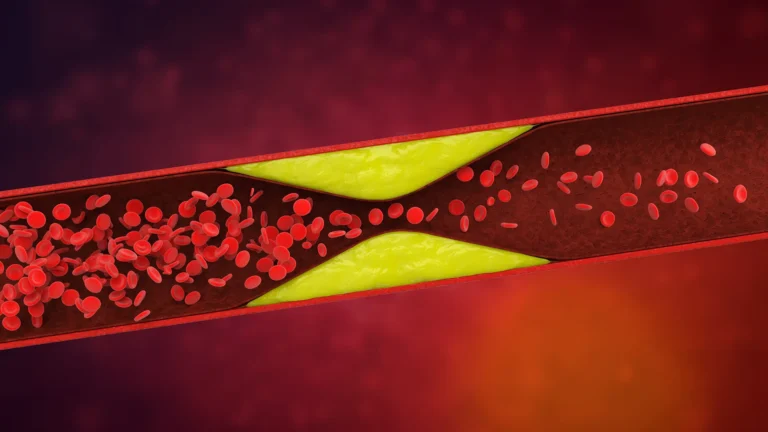
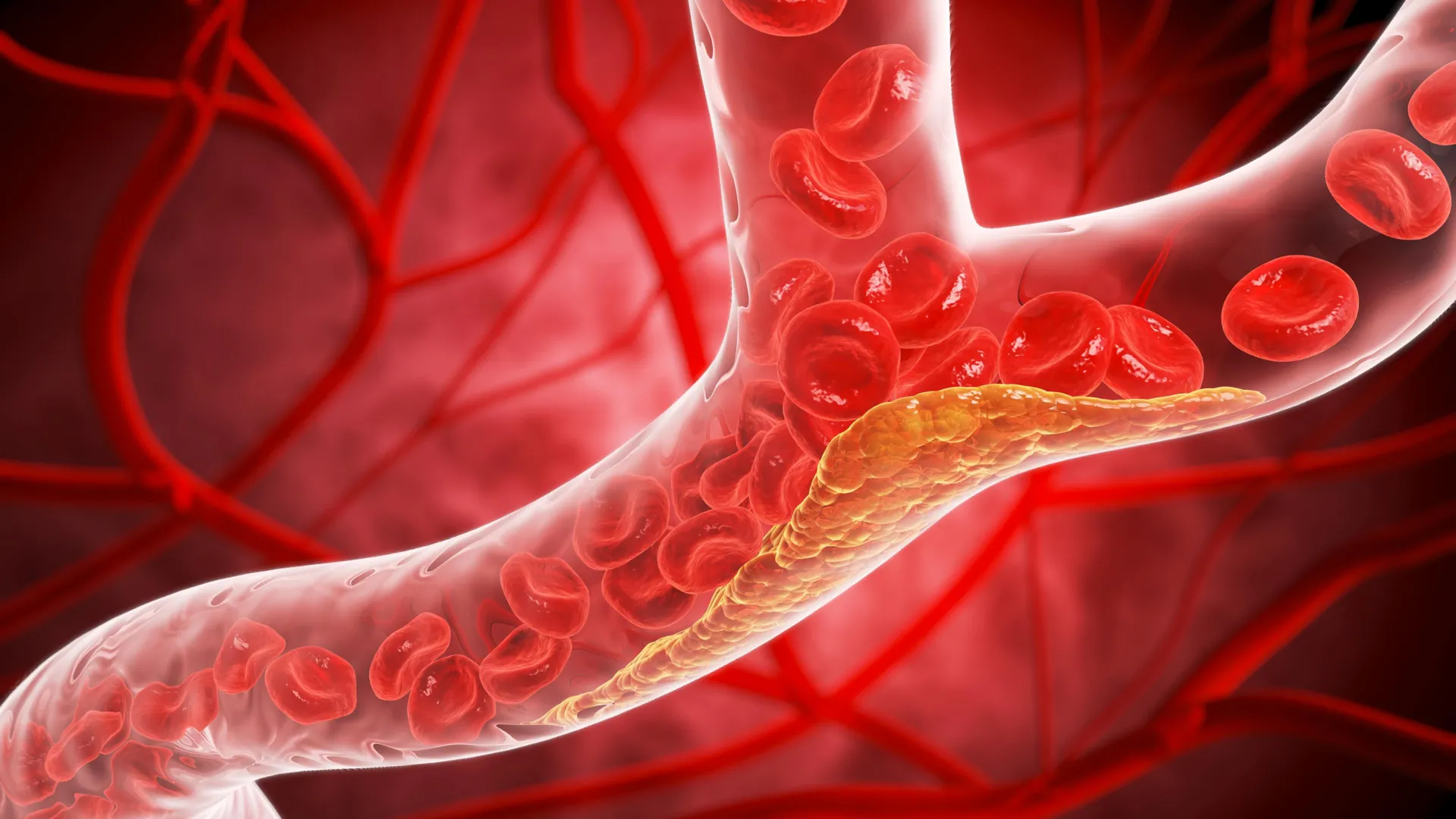
The guidance, simultaneously published in the Journal of the American College of Cardiology and Circulation, arrives as clinicians and public health officials grapple with the reality that one in four American adults currently lives with elevated low-density lipoprotein (LDL) cholesterol. By shifting the focus from reactive treatment in older adults to early-life risk mitigation, the medical community aims to fundamentally alter the trajectory of atherosclerosis—the silent, progressive narrowing of the arteries that serves as the primary precursor to heart attacks, strokes, and congestive heart failure.
Chronology: A New Era of Preventive Cardiology
The journey to these updated guidelines reflects a decade of rapid advancement in cardiovascular research. Since the last major update in 2018, the landscape of lipidology has evolved through a better understanding of genetic predispositions and the development of non-statin therapies.
- 2018: The previous ACC/AHA guidelines established the framework for 10-year atherosclerotic cardiovascular disease (ASCVD) risk estimation.
- 2023–2025: A period of intensive clinical study, including the VESALIUS-CV trial and the development of the PREVENT risk calculator, provided the empirical evidence needed to challenge existing screening age thresholds.
- March 2026: The formal release of the new guidelines at the ACC’s 75th Annual Scientific Session in New Orleans.
- Post-Release (2026): Simultaneous publication of "The ABCs of Cardiovascular Disease Prevention: Communicating What We Know in 2026" in the American Journal of Preventive Cardiology serves as a bridge for clinicians to translate the new technical standards into daily patient practice.
Supporting Data: The Science of Early Intervention
The necessity for these guidelines is rooted in the sobering statistics of cardiovascular health in the United States. Atherosclerosis, driven by the buildup of plaque within artery walls, remains the leading cause of morbidity. As lipid-rich plaque accumulates, it narrows the lumen of the arteries, restricting blood flow and creating the potential for sudden rupture—an event that can lead to catastrophic medical emergencies.
The Power of Personalized Risk Assessment
The cornerstone of the new guidance is the transition from "one-size-fits-all" risk assessment to a deeply personalized model. The new Predicting Risk of Cardiovascular Disease EVENTs (PREVENT) calculator represents a massive leap in data utilization. While the previous model relied on a cohort of 26,000 individuals to estimate 10-year risk for those over 40, the PREVENT tool is built upon data from 6.6 million people. By incorporating kidney function and blood sugar levels, and extending the model to evaluate risk in adults as young as 30, the tool offers a 30-year outlook, allowing for early intervention before significant arterial damage occurs.
Genetic and Life-Event Considerations
The guidelines also formally acknowledge that cardiovascular risk is not merely a product of diet and lifestyle. Clinicians are now instructed to incorporate "risk enhancers" into their evaluations, including:
- Family History: A strong indicator of inherited conditions such as familial hypercholesterolemia, which necessitates screening as early as age 9.
- Inflammatory Markers: The use of high-sensitivity C-reactive protein (hsCRP) testing to gauge systemic inflammation.
- Obstetric History: Recognizing preeclampsia and gestational diabetes as significant long-term indicators of future heart disease risk.
- Lp(a) Levels: A one-time test for lipoprotein(a) is now recommended, as elevated levels can increase heart disease risk by 40% at 125 nmol/L and double it at 250 nmol/L.
Official Responses and Expert Perspectives
The writing committee, led by Dr. Roger S. Blumenthal, director of the Johns Hopkins Ciccarone Center for the Prevention of Cardiovascular Disease, emphasized that while the science of treatment is advancing, the foundation of heart health remains firmly rooted in lifestyle.
"We know that lower LDL cholesterol levels are better when it comes to reducing the risk of heart attacks, strokes, and congestive heart failure," Dr. Blumenthal stated. "Bringing elevated lipids and blood pressure down in young adults supports optimal heart and vascular health throughout a person’s life."
Dr. Seth Martin, a member of the guideline writing committee, underscored the shift in clinical philosophy. "Shifting the paradigm toward proactive prevention strategies earlier in life can meaningfully change the trajectory of cardiovascular disease and lead to better health outcomes for people decades later," he noted.
Despite the high-tech diagnostic tools, the experts remain adamant that lifestyle modifications are the "first line of defense." According to the committee, 80% to 90% of cardiovascular disease is, at least in part, linked to modifiable factors. Tobacco cessation, regular physical activity, sleep hygiene, and a balanced diet continue to be the cornerstone of the recommendations, serving as the necessary baseline upon which medical therapy is built.
Implications: A New Treatment Paradigm
The 2026 guidelines do not merely offer new screening advice; they redefine what success looks like in cholesterol management.
Aggressive LDL Targets
The updated targets are more rigorous than ever before:
- Optimal: Below 100 mg/dL for individuals without established disease.
- Intermediate Risk: Below 70 mg/dL.
- High-Risk: Below 55 mg/dL.
These targets are supported by non-HDL cholesterol and apolipoprotein B measurements, ensuring a more holistic view of a patient’s lipid profile.
Beyond Statins
While statins remain the primary pharmacological intervention, the new guidelines provide clear pathways for patients who are statin-intolerant or require additional support to reach target goals. The integration of ezetimibe, bempedoic acid, and injectable PCSK9 monoclonal antibodies into the standard care protocol provides clinicians with a powerful arsenal to combat stubborn, elevated LDL levels.
The Role of Advanced Imaging
For patients whose risk remains ambiguous after blood work, the guidelines advocate for the use of coronary artery calcium (CAC) scans. This imaging tool allows clinicians to visualize the physical presence of calcified plaque, providing an objective "reality check" that can motivate patients to adhere to more intensive lipid-lowering therapies or lifestyle changes.
Future Directions: Toward a Post-Atherosclerosis Society
The publication of these guidelines is likely only the beginning of a broader movement toward even more aggressive prevention. An editorial accompanying the guidelines points to the findings of the VESALIUS-CV trial, which suggests that even lower targets—specifically pushing LDL-C below 55 mg/dL for moderate atherosclerosis—may yield significant long-term clinical benefits.
As healthcare systems adopt these 2026 standards, the focus will inevitably shift toward how these recommendations are implemented in diverse populations. By addressing the needs of specific groups, such as those with HIV, cancer, or advanced kidney disease, the ACC and AHA are attempting to democratize high-quality cardiovascular care.
Ultimately, the 2026 guidelines serve as a call to action. They challenge both patients and clinicians to look past the immediate symptoms of health and address the silent, cumulative risks that define cardiovascular disease. By treating the disease before it manifests, the medical community hopes to usher in a future where heart attacks and strokes are no longer inevitable consequences of aging, but largely preventable conditions.
The collaboration between the ACC, the AHA, and various cardiovascular health organizations marks a unified front in this effort. As these guidelines move from the lecture halls of New Orleans into clinics across the country, the potential for a meaningful shift in public health outcomes is immense, promising a healthier, more proactive future for millions of Americans.