










Pancreatic ductal adenocarcinoma (PDAC) remains one of the most formidable challenges in modern oncology. Often diagnosed at late stages and resistant to conventional therapies, it carries a grim prognosis that has frustrated clinicians for decades. However, a groundbreaking study from Hiroshima University suggests that the keys to understanding a patient’s long-term resilience after surgery may be found not just in the operating theater, but in the dental chair.
Researchers have discovered that the number of natural teeth a person retains is a significant, independent predictor of survival following the surgical removal of pancreatic tumors. The study, published in the Journal of Hepato-Biliary-Pancreatic Sciences, suggests that oral health acts as a biological "barometer" for systemic health, potentially offering clinicians a new, non-invasive tool for patient risk stratification and personalized care.
The Biological Link: Why the Mouth Matters
For years, the medical community has recognized that the mouth is more than a gateway for nutrition; it is a complex ecosystem that can influence the body’s systemic inflammatory state. Previous research has already established links between periodontal disease and an increased risk of various cancers, including colorectal and esophageal malignancies.
In the context of PDAC, the relationship is even more profound. High-impact studies have previously suggested that oral pathogens—most notably Porphyromonas gingivalis—may contribute to pancreatic carcinogenesis and the subsequent progression of tumors. These bacteria do not necessarily stay in the oral cavity; they can enter the bloodstream and trigger chronic systemic inflammation, which is known to fuel tumor growth and weaken the body’s immune response.
"Pancreatic cancer remains one of the deadliest malignancies worldwide, and even after curative resection, prognosis is often poor," explains Kenichiro Uemura, associate professor at Hiroshima University’s Graduate School of Biomedical and Health Sciences and the study’s corresponding author. While the link between oral bacteria and cancer initiation has been studied, the impact of overall oral health status on postoperative survival had remained a significant knowledge gap.
Chronology of the Research
The study conducted at Hiroshima University spanned eight years, tracking patients from 2014 to 2022. The researchers aimed to determine if the physical status of a patient’s oral cavity correlated with their ability to withstand and recover from the physiological trauma of a radical pancreatectomy—a highly invasive surgery that often involves the removal of part of the pancreas and adjacent structures.
The Methodology
The research team, led by PI Kenichiro Uemura and first author Kaoru Seo, focused on 339 consecutive patients who underwent radical pancreatectomy at the Department of Surgery, Hiroshima University Hospital. The study protocol was rigorous and multi-faceted:
- Preoperative Screening: Every participant underwent a comprehensive dental examination prior to their cancer surgery.
- Quantification of Oral Health: The team utilized two primary metrics: the absolute count of natural teeth remaining and the status of occlusion (the physical contact between the upper and lower teeth) regarding the premolars and molars.
- Statistical Integration: To ensure the findings were not skewed by other factors, the researchers adjusted the data to account for well-established prognostic indicators, such as tumor stage, the presence of lymph node metastasis, the quality of surgical margins, the administration of adjuvant chemotherapy, and the patient’s overall nutritional status.
Supporting Data: The Two-Year Divide
The results were, by any metric, startling. When the data was parsed by the number of natural teeth, a clear, linear correlation with survival emerged.
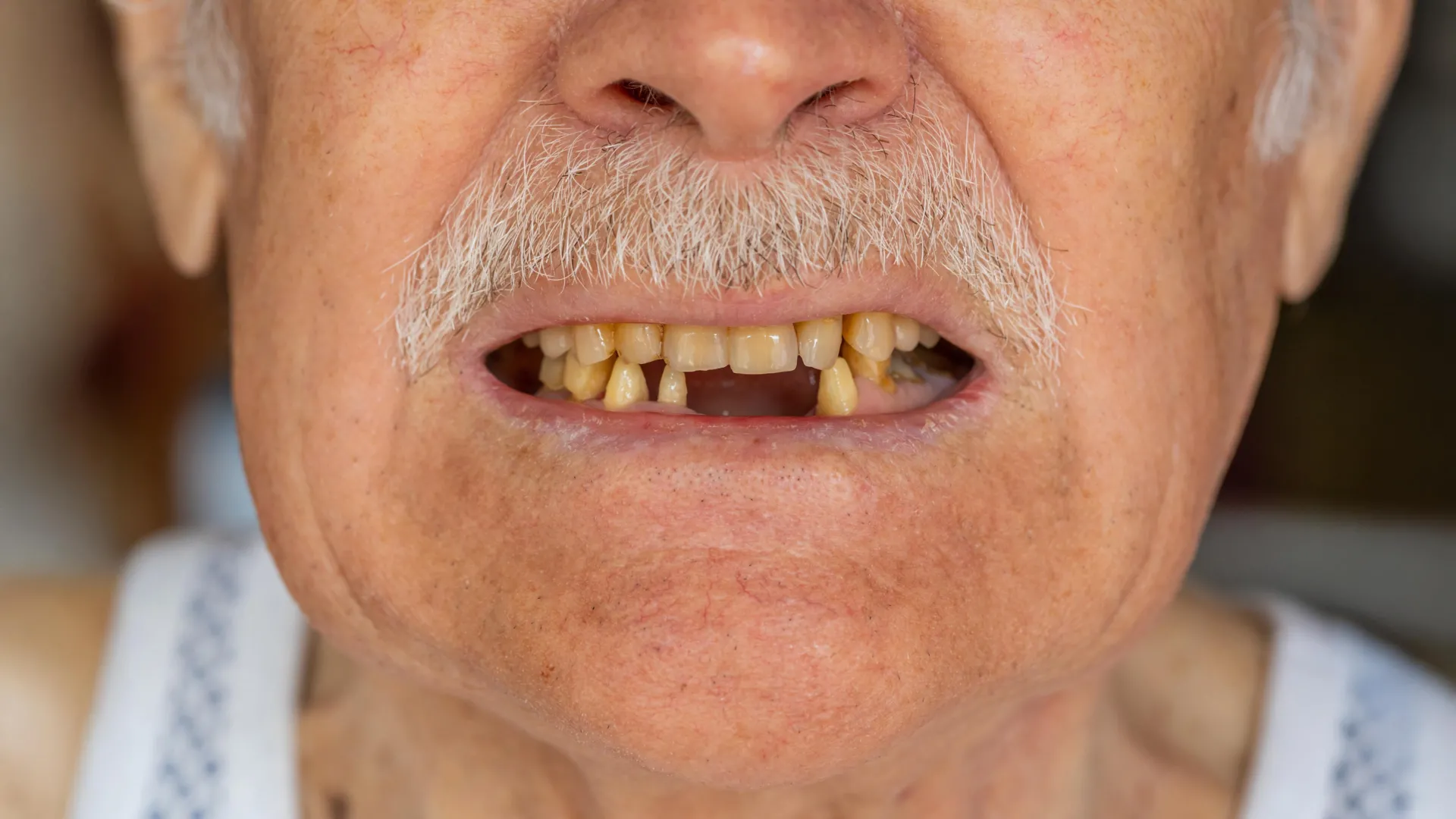
Patients who retained 21 or more natural teeth demonstrated a median overall survival of 60.7 months. In stark contrast, patients with 20 or fewer natural teeth showed a median survival of only 39.1 months.
This gap of nearly two years (21.6 months) remained statistically significant even after the researchers controlled for the traditional clinical factors mentioned above. This suggests that the number of teeth is not merely a proxy for tumor severity, but an independent marker of the patient’s biological resilience.
The Chewing Function Paradox
Perhaps the most counterintuitive finding of the study was the role—or lack thereof—of chewing function. The researchers assessed whether the occlusion of posterior teeth (the ability to grind food effectively) directly influenced survival. Surprisingly, this variable was not independently associated with improved outcomes.
This finding is crucial because it shifts the focus away from a purely mechanical explanation (i.e., "better chewing leads to better nutrition"). If the number of teeth matters, but the ability to chew does not, then tooth loss must be a reflection of a much deeper, cumulative health trajectory.
Official Responses and Expert Interpretation
The Hiroshima University team views these findings as a paradigm shift in how surgeons and oncologists should view their patients.
"One striking finding was the large survival difference between the groups," says Professor Uemura. "The fact that chewing function itself was not the driver suggests that tooth loss acts as a marker for something much broader: it reflects a lifetime of chronic inflammation, frailty, nutritional deficiencies, lifestyle choices, and the systemic vulnerability that accumulates over decades."
Uemura summarizes this concept with a poignant analogy: "The mouth may reflect the body’s long-term resilience."
The research team, which included an extensive group of specialists from Hiroshima University and Hiroshima Memorial Hospital, believes that the oral cavity serves as a biological record of the body’s battle against systemic stress. A person who has lost many teeth may have been battling chronic periodontal inflammation, poor nutritional absorption, or socioeconomic disadvantages that have weakened their immune system—making them less capable of recovering from the intense inflammatory response triggered by pancreatic surgery.
Implications for Future Care
The implications of this study are far-reaching and suggest that the future of cancer care should be more holistic and integrative.
1. Personalized Risk Stratification
Clinicians could potentially use oral health assessments as part of a pre-surgical "risk score." If a patient with few remaining teeth is identified as being at higher risk for poor postoperative survival, the medical team might implement more aggressive nutritional support, closer monitoring for inflammatory markers, or even specialized dental interventions prior to surgery to stabilize the patient’s systemic health.
2. A New Standard of Care
The researchers hope that oral health assessment will move from a secondary consideration to a standard component of perioperative management for pancreatic cancer patients. By viewing the oral cavity as an essential window into the patient’s systemic health, surgeons can better tailor treatment plans to individual needs.
3. Future Research Directions
While the results are compelling, the team is cautious. Because the study was conducted at a single center and involved a population of Japanese ethnicity, the findings must be replicated in larger, multicenter, and international trials to account for global diversity in diet, genetic background, and healthcare access.
Furthermore, the team plans to investigate the precise biological pathways at play. They seek to understand exactly how oral bacteria, systemic inflammation, and the progression of pancreatic cancer interact on a molecular level. By mapping these pathways, they hope to determine if interventions such as oral hygiene improvement or periodontal treatment could potentially improve survival rates for patients already diagnosed with PDAC.
"Our ultimate goal is to establish a new perspective in pancreatic cancer care," Uemura concludes. "Prognosis may depend not only on tumor biology but also on the patient’s long-term systemic condition and the oral health environment. We are looking at a future where dentistry and oncology work hand-in-hand to improve the survival chances of our most vulnerable patients."
Conclusion
The Hiroshima University study underscores a vital, often overlooked truth: the human body is an interconnected system. By looking beyond the tumor to the overall state of the patient, researchers have opened a new door in the treatment of pancreatic cancer. Whether through the lens of chronic inflammation or as a marker of cumulative systemic wear-and-tear, the humble tooth count provides a surprisingly clear window into a patient’s future. As clinical practices evolve, the integration of oral health into cancer care may prove to be a simple, yet profoundly effective, strategy for extending and improving the lives of those facing one of the most difficult diagnoses in medicine.