









By Keith Appleton, LMSW, Combat Veteran
In the sterile, quiet atmosphere of a detox ward, a veteran sat on the edge of his bed, his bags packed. He was caught in the suffocating grip of post-traumatic stress disorder (PTSD) and the chemical dependency he had cultivated to numb the noise of his memories. He was ready to leave, firmly convinced that no civilian clinician—no matter their degrees or accolades—could ever truly grasp the geography of his pain.
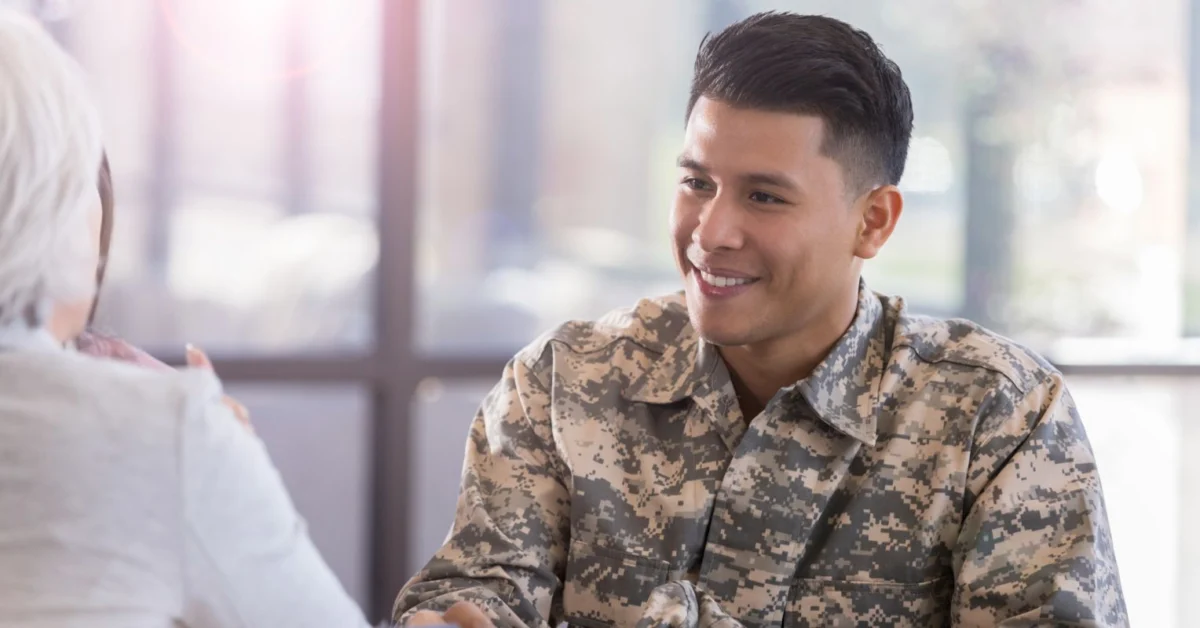
As a fellow veteran, I looked at him and saw not a patient, but a soldier in need of a new directive. I didn’t approach him with clinical detachment; I used our shared lexicon. I reframed his treatment not as a surrender to illness, but as a tactical mission to reclaim his autonomy. He stayed. That singular moment underscores a vital, often ignored reality in contemporary psychology: culturally competent care, when informed by the nuances of military service, is not just an added benefit—it is a life-saving necessity.
Main Facts: The Scope of the Invisible Crisis
The transition from military life to civilian society is a tectonic shift in identity. For millions of Americans who have traded the uniform for civilian attire, the loss of structure, camaraderie, and purpose creates a vacuum often filled by isolation and mental health struggles.
Statistically, the numbers are sobering. Roughly 7% of U.S. veterans live with PTSD, and over 20% grapple with substance-use disorders. Despite these high rates, more than half of those in need never receive professional care. They are deterred by a persistent stigma—the fear that seeking help is a sign of weakness—or the disheartening belief that civilians simply "don’t get it." Military service is not merely a career; it is an identity forged through the crucible of shared sacrifice, rigid hierarchy, and a culture where your life often depends on the person to your left and right. When that foundation is removed, the psychological fallout can be profound.
Chronology of a Crisis: From Identity to Isolation
To understand why so many veterans struggle, we must look at the chronology of their service-to-civilian journey.
The Formation of Identity
Military life is defined by symbols. The uniform, the rank, the unit patch, and the specialty badges are more than ornamentation; they are a visual biography of survival, training, and brotherhood. When a soldier serves, their identity is tied to the collective. They are part of a larger, purpose-driven machine.
The Attachment Rupture
When that service ends, the "attachment" to the military—what psychologist John Bowlby might describe as a "secure base"—is severed. In civilian life, these symbols are wiped away. The veteran is suddenly expected to function in an environment that lacks the clarity and, most importantly, the "tribe" that Sebastian Junger described in his seminal work Tribe. This rupture often manifests as deep grief, disorientation, and a profound sense of abandonment.
The Modern Bottleneck
For decades, the standard approach to veteran mental health has been purely symptomatic, focusing on "fixing" the trauma rather than understanding the veteran’s cultural context. This has created a bottleneck where veterans walk into clinics, feel misunderstood by providers who lack a grasp of military values, and walk back out, further entrenched in their isolation.
Supporting Data: The Reality of the Veteran Experience
The data reinforces the necessity for a shift in approach. According to the U.S. Department of Veterans Affairs (2022), the suicide rate among veterans remains significantly higher than that of the general population. While clinical interventions like Cognitive Behavioral Therapy (CBT) and Eye Movement Desensitization and Reprocessing (EMDR) are empirically validated as effective, their efficacy is hindered if the patient does not trust the practitioner.
Research suggests that when a clinician demonstrates even a baseline understanding of Military Occupational Specialties (MOS) or the meaning of service ribbons, the "therapeutic alliance"—the bedrock of successful therapy—is established significantly faster. By honoring the veteran’s history, the clinician transforms from a stranger into a partner in a new mission.
Official Responses and Clinical Shifts
The medical and veteran advocacy communities are beginning to recognize that "trauma-informed" care must also be "culture-informed" care. The VA has increasingly prioritized programs that focus on peer support and community integration, acknowledging that a veteran’s social network is just as vital as their medical regimen.
However, the responsibility does not fall solely on the VA. It falls on private practice clinicians, social workers, and mental health facilities. The integration of family members into the therapeutic process is a growing, evidence-based trend. As psychiatrist Murray Bowen noted in his family systems theory, a patient cannot be treated in isolation from their environment. When a veteran is suffering from moral injury—the distress caused by acting, or failing to act, in ways that violate one’s deeply held moral beliefs—the family unit is often the most effective tool for re-integrating the veteran into a sense of purpose.
Implications: A New Framework for Healing
If we are to effectively serve those who served, we must rethink the clinical environment.
Integrating the Whole Story
One of the most profound oversights in current mental health practice is the focus solely on the "horror" of deployment. While trauma is a reality, it is not the only reality. Veterans carry memories of profound pride, camaraderie, and beauty. I remember a desert sunset following a brutal sandstorm, and the immense pride of carrying our company guidon across the finish line of the Army Ten-Miler in 110-degree heat. These are not trivial details; they are the pillars of the veteran’s identity. Research into "post-traumatic growth" shows that when clinicians help veterans integrate these positive memories alongside their trauma, the veteran is better able to build a coherent, resilient self-narrative.
Leadership as Therapy
Military leadership principles—mentorship, mission-focused guidance, and empathy—mirror the goals of trauma-informed therapy. When a clinician adopts these principles, they create a space that feels familiar and safe. Asking a veteran about their MOS or the significance of their unit patches is not just "small talk." It is a vital clinical intervention that acknowledges the veteran’s dignity and history.
The Role of the Family as Allies
Families are often the first witnesses to a veteran’s decline, yet they are frequently excluded from the healing process. Clinicians must actively empower families as partners. By bringing a spouse or family member into the fold, we can reframe the veteran’s narrative. A veteran who feels they failed their unit can be reminded by their family of the role they play as a provider, a mentor, and a parent. This restores the sense of purpose that is so often lost in the transition to civilian life.
Conclusion: The Mission Continues
Veterans carry their experiences with them like invisible badges. They are not broken machines to be repaired; they are individuals with a specialized set of skills, values, and hardships that require a sophisticated, culturally attuned approach to care.
When we deliver therapy with cultural competence, it becomes more than a treatment plan—it becomes a new mission. It calls upon the veteran’s innate courage, honors the complexity of their past, and provides the tactical support necessary for them to write the next chapter of their story. Our obligation to our veterans does not end when they leave the battlefield. It continues in our clinics, our homes, and our communities. It is time to treat their mental health with the same precision, respect, and urgency that they once applied to the defense of our nation.
References
- Bowen, M. (1978). Family Therapy in Clinical Practice. Jason Aronson.
- Bowlby, J. (1980). Attachment and Loss: Vol. 3. Loss, Sadness and Depression. Basic Books.
- Davis, L. Y. (2023). "Moral Injury: The Hidden Adversary of War." CORE.
- Dell’Osso, L., et al. (2022). "Post Traumatic Growth (PTG) in the Frame of Traumatic Experiences." Clinical Neuropsychiatry.
- Hurley, E. C. (2021). A Clinician’s Guide for Treating Active Military and Veteran Populations with EMDR Therapy. Springer Publishing.
- Junger, S. (2016). Tribe: On Homecoming and Belonging. Twelve.
- National Center for PTSD. (2023). PTSD in Veterans: Facts and Figures. U.S. Department of Veterans Affairs.
- Shapiro, F. (2018). Eye Movement Desensitization and Reprocessing (EMDR) Therapy: Basic Principles, Protocols, and Procedures. Guilford Press.
- U.S. Department of Veterans Affairs. (2022). National Veteran Suicide Prevention Annual Report.