





In the landscape of modern medicine, few challenges are as daunting as the diagnosis of neurodegenerative diseases. Conditions characterized by the accumulation of misfolded proteins—known as synucleinopathies—have long been shrouded in diagnostic uncertainty, often requiring years of clinical observation before a definitive diagnosis can be reached. CND Life Sciences, a pioneer in neurodiagnostics, is working to dismantle these barriers. With the recent announcement of a successful growth financing round led by S-Curve Partners, the company is poised to transition from a specialized testing provider to a foundational pillar of precision neurology.
The Core Mission: Transforming Neurodiagnostic Standards
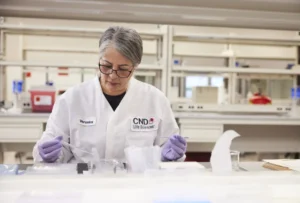
CND Life Sciences has carved out a unique niche by focusing on objective, biomarker-based testing. At the heart of their innovation is the Syn-One Test, a proprietary, commercially available skin biopsy-based laboratory-developed test. Unlike traditional diagnostic methods that rely heavily on symptomatic observation, Syn-One detects abnormal, or phosphorylated, alpha-synuclein and other pathological markers directly within the skin’s peripheral nerves.
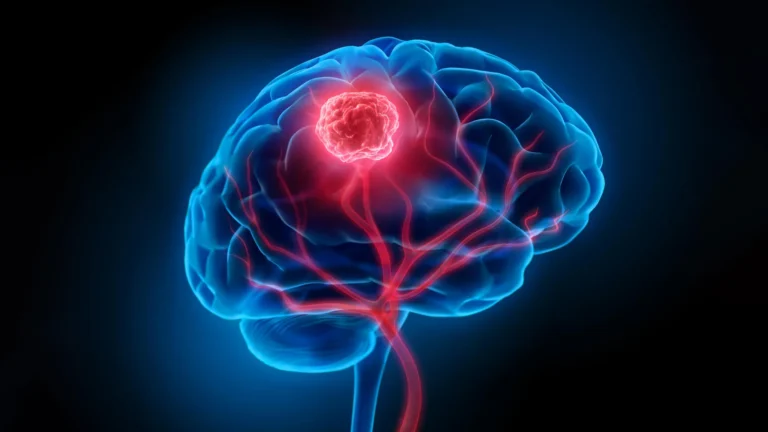
This shift toward objective biological evidence is critical. Synucleinopathies—a group of disorders that include Parkinson’s disease, dementia with Lewy bodies (DLB), multiple system atrophy (MSA), and REM sleep behavior disorder (RBD)—share overlapping symptoms that frequently lead to misdiagnosis. By providing a tangible, scientifically backed biomarker, CND Life Sciences is offering clinicians a higher degree of certainty, which is the prerequisite for effective treatment and patient management.
Chronology: A Trajectory of Growth
The evolution of CND Life Sciences reflects a strategic climb toward clinical adoption.
- The Foundational Years: Since its inception, CND focused on validating the science of cutaneous phosphorylated alpha-synuclein. The company prioritized peer-reviewed research to ensure that the Syn-One platform met the rigorous demands of the medical community.
- 2020 Market Entry: The commercial launch of the Syn-One test marked a turning point. Within a few short years, the test gained significant traction among neurologists across the United States.
- The Scaling Phase: By 2024, the platform had been utilized by over 4,000 clinicians to support the diagnostic evaluation of more than 60,000 patients. This data represents a massive real-world evidence base, cementing the test’s credibility in the clinical market.
- The Current Milestone: The recent growth financing round led by S-Curve Partners serves as a validation of this growth. With the participation of existing investors, the company has secured the necessary capital to shift its focus from initial market penetration to the next phase of innovation and platform expansion.
Supporting Data and Scientific Rationale
The utility of the Syn-One test is underpinned by a growing corpus of clinical evidence. Neurodegenerative conditions are systemic, and the pathology associated with synucleinopathies often manifests in the peripheral nervous system long before significant cognitive or motor deficits appear in the brain.
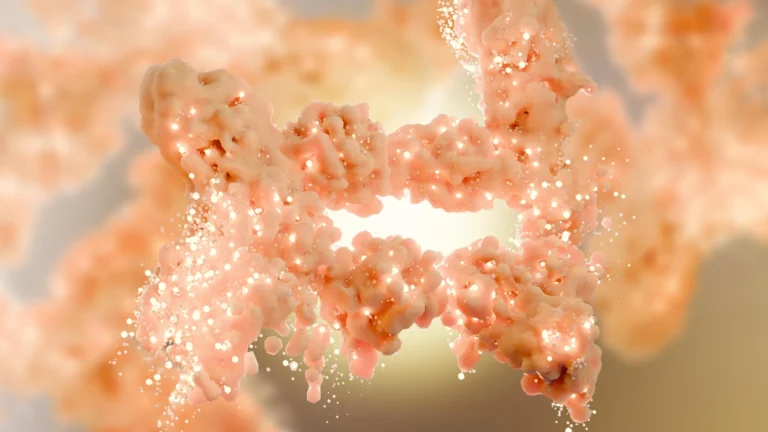
Skin biopsies provide a minimally invasive, accessible window into the status of the peripheral nerves. The CND platform analyzes these samples for the presence of phosphorylated alpha-synuclein—the hallmark protein involved in the cell-to-cell spread of neurodegeneration.
The scale of CND’s impact is evidenced by its reach: 60,000 patients analyzed is a statistically significant number that provides CND with unique insights into disease presentation and progression. This data doesn’t just assist individual clinicians; it informs the broader medical community about the phenotypic variability of synucleinopathies, bridging the gap between bench science and bedside care.
Official Perspectives: Aligning Vision and Capital
The partnership with S-Curve Partners, an operator-led firm specialized in healthcare technology and diagnostics, is seen as a strategic "force multiplier."
Rick Morello, CEO of CND Life Sciences, emphasized the importance of this relationship. "We are pleased to deepen our relationship with S-Curve Partners and grateful for the continued support of existing investors and shareholders," Morello stated. "S-Curve’s confidence in CND’s mission reflects the progress our team has made in expanding clinical adoption and advancing the science behind our scalable neurodiagnostics platform."
From the investor’s perspective, the decision to back CND was driven by the clear market demand for objective testing. Daniel Livschutz, founding partner at S-Curve Partners, noted the critical role the company plays in the broader healthcare ecosystem. "Neurodegenerative diseases remain among the most underdiagnosed and misdiagnosed conditions in medicine," Livschutz remarked. "We believe CND has built one of the most differentiated platforms in neurodiagnostics, and this financing is intended to accelerate its evolution from a category-defining product to a broader platform."
Dr. Todd Levine, chief medical officer and co-founder of CND, highlighted the medical implications of this influx of capital. "As a neurologist, I am encouraged to see the neuroscience field move toward multimodal biomarkers and earlier intervention," Dr. Levine said. "This financing gives us the flexibility to invest in innovation, expand access to the Syn-One platform, and strengthen our pharmaceutical and research relationships."
Strategic Implications: The Future of Multimodal Diagnostics
The infusion of capital is earmarked for four primary pillars of development:
- Sustained Platform Growth: Scaling the operational infrastructure to support a higher volume of tests and faster turnaround times for clinicians and patients.
- Commercial Expansion: Strengthening the sales and education efforts to ensure neurologists across the country are aware of the diagnostic potential of skin biopsies.
- Product Innovation: Evolving the platform beyond the current test. The goal is to incorporate Syn-One into a broader "multimodal biomarker" capability. This implies that CND is looking to combine its skin biopsy data with other diagnostic markers (such as imaging, genetics, or fluid-based biomarkers) to provide a 360-degree view of a patient’s neurological health.
- Strategic Partnerships: Strengthening ties with pharmaceutical companies. As new disease-modifying therapies for Parkinson’s and other synucleinopathies move through clinical trials, these companies require accurate ways to identify, enroll, and monitor patients. CND is positioning itself as the diagnostic backbone for these future drug development programs.
The Macro-Context: Precision Medicine in Neurology
The funding of CND Life Sciences arrives at a pivotal moment in neurology. For decades, the field was limited to symptomatic management. Today, the industry is racing toward "precision neurology"—the ability to identify the underlying biological cause of a patient’s symptoms at the earliest possible stage.
As disease-modifying therapies move from clinical trials to the pharmacy shelf, the "diagnostic gap" becomes an urgent problem. If a drug is designed to target a specific misfolded protein, it is useless if the physician cannot verify the presence of that protein in the patient. CND’s platform addresses this exact bottleneck. By moving from a "guess-and-check" approach to a "test-and-target" approach, CND is aligning itself with the future of therapeutic development.
Conclusion
The expansion of CND Life Sciences is more than just a financial success story; it is a signal of the maturation of neurodiagnostics. By providing a scalable, objective, and scientifically robust method for detecting synucleinopathies, the company is transforming how clinicians interact with their most complex patients.
With the backing of S-Curve Partners, CND is well-positioned to move beyond its role as a specialized lab and into the role of a data-driven diagnostic leader. As the company continues to innovate and integrate its platform into broader clinical workflows, the impact on patient outcomes—earlier diagnosis, more accurate prognosis, and better-targeted therapies—could be profound. The era of guessing in the face of neurodegeneration is slowly coming to an end, replaced by the clarity of objective, biopsy-based science.