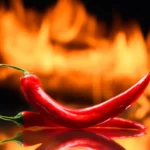





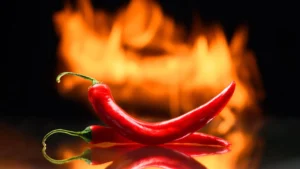


For billions of people, the fiery kick of a chili pepper is not just a culinary preference; it is a foundational element of cultural identity. From the vibrant curries of Southeast Asia to the piquant salsas of Latin America, the chili pepper is a global staple. However, a persistent shadow has long followed the capsaicin-rich fruit: the debate over its potential role in gastrointestinal (GI) health.
As scientists continue to untangle the molecular mechanisms of our diet, a comprehensive review published in Frontiers in Nutrition has brought the conversation back to the forefront. By synthesizing data from thousands of participants, researchers have highlighted a potential link between high chili consumption and certain digestive cancers, particularly of the esophagus. Yet, as the scientific community is quick to point out, the narrative is far from settled, marked by contradictions that underscore the profound complexity of human nutrition.
The Main Facts: Defining the Scope of the Risk
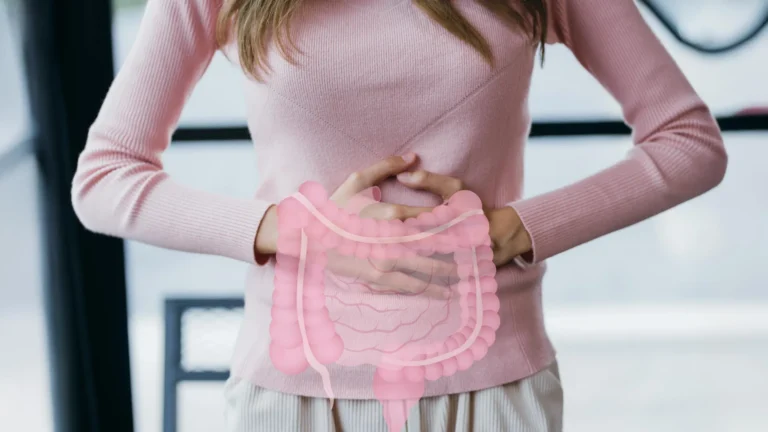
Gastrointestinal cancers—which encompass the esophagus, stomach, and colon or rectum—represent a significant burden on global public health, accounting for millions of new diagnoses and subsequent deaths annually. Because these cancers are frequently asymptomatic in their early stages, they are often diagnosed only after they have reached an advanced, more difficult-to-treat phase. This reality has driven an intense focus on dietary and lifestyle modifiers that might influence individual risk.
The recent review examined 14 observational studies, involving over 11,000 participants—including 5,000 individuals with diagnosed GI cancers. The headline finding was striking: individuals with the highest intake of chili peppers exhibited a 64% higher likelihood of developing gastrointestinal cancers compared to those with the lowest intake. The most pronounced association was identified in esophageal cancer, where heavy consumers faced nearly triple the risk compared to their counterparts who consumed little to no chili. While stomach and colorectal cancers showed some upward trends, the data for those specific sites did not reach the same level of statistical significance.
A Chronological Perspective: Decades of Scientific Debate
The history of this inquiry is marked by a "scientific tug-of-war." For decades, researchers have been polarized by the contradictory properties of capsaicin, the bioactive compound responsible for the chili’s heat.
- Early Inquiries (1990s–2000s): Initial laboratory studies focused on the potential protective effects of capsaicin. Researchers observed that in controlled cell cultures, capsaicin could induce apoptosis (programmed cell death) in cancer cells, inhibit inflammation, and modulate metabolic processes. During this era, chili peppers were often hailed as potential chemopreventive agents.
- The Shift toward Caution (2010s): As epidemiological data began to accumulate, the conversation shifted. Researchers noted that while capsaicin killed cancer cells in a petri dish, chronic exposure in human tissue—particularly in the delicate lining of the digestive tract—might result in persistent irritation. This period saw the first large-scale observational studies suggesting that, in certain populations, high spice intake correlated with increased risks of gastric and esophageal pathologies.
- The Modern Meta-Analysis (Current Era): The recent Frontiers in Nutrition publication represents the maturation of this debate. By aggregating data across multiple decades and continents, researchers have moved away from asking "Are chilies good or bad?" and toward a more nuanced inquiry: "At what levels, and in what contexts, do they pose a risk?"
Supporting Data: The Regional Variance Puzzle
One of the most compelling aspects of the recent findings is the geographic disparity in results. The correlation between heavy chili consumption and cancer risk appears to be geographically contingent.
Studies conducted in Asia, Africa, and North America have consistently pointed toward an increased risk associated with high intake. Conversely, data emanating from Europe and South America have frequently shown no such association, or in some instances, even suggested a protective effect.
Researchers posit that this variance is likely the result of "confounding variables" that differ by region. These include:
- Varieties of Pepper: Different regions utilize different cultivars of Capsicum, which vary in their concentration of capsaicin and other phytochemicals.
- Preparation Methods: How the pepper is processed—whether fresh, dried, fermented, or ground into a paste—can alter its chemical impact on the gut.
- Lifestyle Synergies: The interaction between chili consumption and other habits, such as smoking, alcohol intake, and even the consumption of hot-temperature foods, may play a critical role in tissue inflammation.
- Genetic Susceptibility: Variations in how different populations metabolize capsaicin may provide a baseline of protection or vulnerability.
The Biology of Irritation: Why the Esophagus?
Why does the esophagus appear to bear the brunt of the risk compared to the stomach or colon? The answer lies in the physiological design of the digestive tract.
Capsaicin functions by activating TRPV1 receptors, which are responsible for sensing heat and pain. When these receptors are triggered repeatedly in the esophageal lining, some scientists hypothesize that it creates a state of "chronic irritation." Unlike the stomach, which is lined with a robust, acid-resistant mucosal barrier, the esophageal tissue is more delicate. Chronic exposure to high-heat stimuli could, theoretically, interfere with the cellular repair mechanisms of the lining, potentially facilitating the progression of precancerous lesions. While this remains a compelling hypothesis, it is not yet proven as a direct causal pathway in humans.
Official Responses and Clinical Implications
Public health organizations have been cautious in their interpretation of these findings, largely because the evidence remains rooted in observational, rather than interventional, research. In the world of epidemiology, an association is not synonymous with causation.
Researchers emphasize that the "dose-response" relationship is the missing piece of the puzzle. It remains unclear whether there is a "threshold" for safe consumption. For the average individual, moderate intake may well fall within a safe range, while the extreme consumption patterns observed in some study populations may be the only ones associated with elevated risk.
Furthermore, an umbrella review of the subject suggests that the overall health profile of spicy food is overwhelmingly complex. While digestive cancer risk is a serious concern, the same compounds in chili peppers have been linked to a reduction in cardiovascular disease, improved insulin sensitivity, and even lower all-cause mortality.
The Bigger Picture: Looking Ahead
What should the average consumer take away from these findings? The primary lesson is one of balance and awareness.
The current body of evidence does not support a "ban" on spicy foods. Instead, it invites a more critical look at extreme dietary patterns. As science moves forward, the next generation of studies must prioritize long-term, prospective tracking of individuals to determine if the observed associations are direct consequences of capsaicin or if they are "markers" for other lifestyle choices.
For now, nutritionists suggest that those who enjoy spicy food should continue to enjoy it in moderation, while remaining mindful of other digestive health factors. Smoking cessation, moderate alcohol intake, and a balanced diet rich in fiber remain the most scientifically proven strategies for reducing the risk of gastrointestinal cancers.
As we continue to explore the molecular impact of our diets, the chili pepper serves as a perfect metaphor for the complexity of nutrition: a single ingredient capable of both soothing and irritating, a substance that is simultaneously a culinary delight and a subject of intense medical scrutiny. The path forward requires more rigorous, longitudinal research, but until then, the best advice remains to enjoy the spice, but perhaps avoid the excess.