





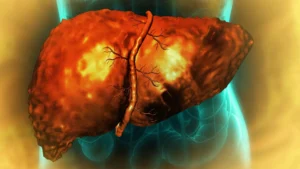


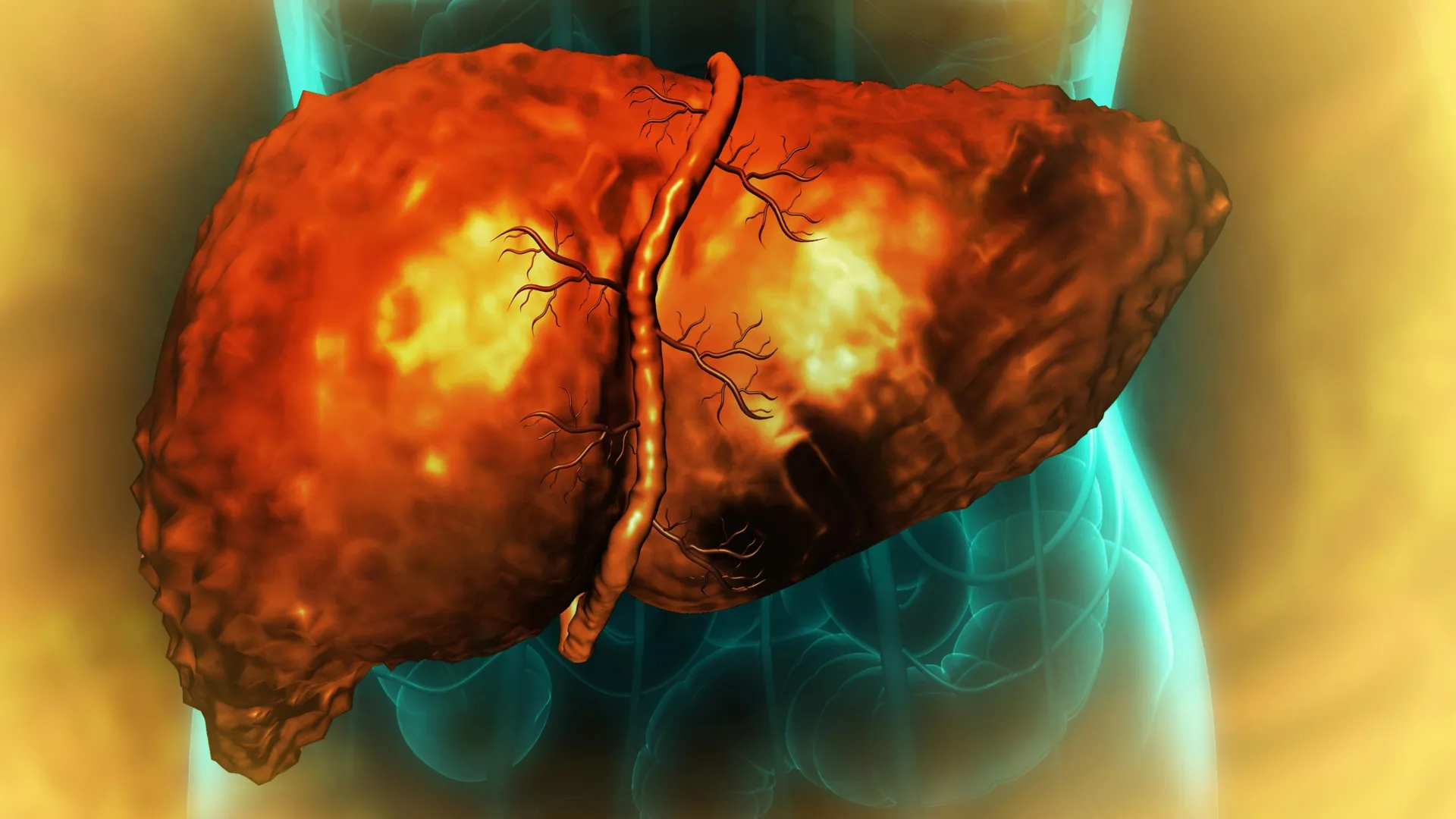
The human liver is a biological marvel, famously capable of regenerating itself even after sustaining severe injury or partial surgical removal. However, for the millions of people suffering from alcohol-associated liver disease (ALD), this vital regenerative mechanism often grinds to a catastrophic halt. A groundbreaking study recently published in Nature Communications has finally identified the molecular "bottleneck" that prevents the liver from repairing itself, even after a patient ceases alcohol consumption.
Researchers from the University of Illinois Urbana-Champaign, Duke University, and the Chan Zuckerberg Biohub Chicago have discovered that chronic alcohol use triggers a form of "cellular limbo." In this state, liver cells become trapped in an unproductive, immature phase—unable to perform their life-sustaining functions, yet incapable of completing the transformation required to generate healthy new tissue. This discovery not only sheds light on the pathology of liver failure but also unveils potential new pathways for diagnosis and pharmacological intervention.
The Mechanism of Failure: A Breakdown in Cellular Logic
Under healthy conditions, the liver manages a complex, orchestrated cycle of renewal. When injury occurs, mature, specialized liver cells undergo a process of dedifferentiation. They revert to a progenitor-like state—a more primitive, stem-cell-adjacent form—that allows them to multiply and replace lost or damaged tissue. Once the tissue has been successfully repaired, these cells undergo a secondary transition, maturing back into fully functional, specialized liver cells.
The research team, led by biochemistry professor Auinash Kalsotra of the University of Illinois and professor Anna Mae Diehl of the Duke University School of Medicine, found that in patients with alcohol-associated hepatitis and cirrhosis, this cycle is fundamentally broken.
"We knew that the liver stops functioning and stops regenerating in patients with alcohol-related hepatitis and cirrhosis, even when a patient has discontinued consuming alcohol, but we didn’t know why," Kalsotra explained. "The only real life-saving treatment option once a patient reaches the liver failure stage in those diseases is transplantation. But if we understood why these livers were failing, maybe we could intervene."
Chronology of the Discovery: From Patient Samples to Molecular Mapping
The researchers began their investigation by analyzing liver tissue samples from patients with advanced alcohol-associated liver disease, provided by Johns Hopkins University Hospital. By comparing these diseased samples with healthy liver tissue, the team observed a startling trend: the diseased cells were indeed initiating the regenerative process by moving away from their mature state, but they were consistently failing to cross the finish line.
The Path of the Discovery:
- Initial Observation: Comparison of human tissue revealed that liver cells in ALD patients were "stuck" in a quasi-progenitor state.
- Deep RNA Sequencing: The team moved beyond simple protein measurement, employing high-resolution RNA sequencing and computational analysis to look at the process of RNA splicing—the critical "editing" phase where genetic instructions are prepared for protein synthesis.
- The Splicing Defect: They discovered widespread "missplicing" across thousands of genes, which resulted in proteins being created correctly in quantity, but failing to localize properly within the cell.
- The ESRP2 Connection: The researchers identified a deficiency in a protein called ESRP2, which acts as a molecular "editor" for RNA splicing.
- Inflammation Link: The team traced the loss of ESRP2 to chronic inflammation caused by alcohol metabolism, confirming that inflammatory signals were actively suppressing the regenerative machinery.
- Experimental Validation: Using mouse models, the team successfully replicated the human pathology by inducing ESRP2 deficiency, and later, reversed the splicing defects in cell cultures by blocking inflammatory receptors.
The Role of RNA Splicing and ESRP2
At the heart of this "cellular limbo" is a process called RNA splicing. RNA acts as the messenger between DNA and the cellular machinery that builds proteins. During splicing, segments of RNA are cut and joined together to dictate exactly which proteins are made and how they function.
Kalsotra’s team found that in alcohol-damaged livers, the protein ESRP2—which is essential for orchestrating this splicing process—is severely depleted. The consequences of this depletion are profound. The researchers observed that while the cells were producing the necessary proteins for repair, these proteins were frequently ending up in the wrong part of the cell.
"We found that, in many cases, the sequence that dictates where the protein localizes within a cell was misspliced," Kalsotra said. "Key proteins that are required for productive liver regeneration were getting stuck in the cytoplasm, when they needed to be in the nucleus."
Because the proteins were trapped in the cytoplasm, they remained biologically inert. The nucleus, which governs gene activity and cellular repair, was essentially "blinded" to the signals it needed to complete the regeneration process. This creates a feedback loop of failure: as cells fail to function, the liver comes under increased metabolic stress. This triggers the remaining healthy cells to attempt regeneration, only to have them fall into the same "quasi-progenitor" trap.
Official Responses and Expert Commentary
The significance of the study has been noted by the broader scientific community, particularly for its shift in focus from merely observing cell death to understanding the failure of regenerative signaling.
"They are neither functional adult cells nor proliferative progenitor cells," noted U. of I. graduate students and co-first authors of the study, Ullas Chembazhi and Sushant Bangru. "Since they are not functioning, more pressure builds on the remaining cells. So they try to regenerate, and they’re all ending up in this unproductive quasi-progenitor state, and that’s what is causing liver failure."
The study highlights that the problem is not a lack of effort by the liver, but a systemic failure in the "software" of the cell. By proving that inflammation is the root cause of ESRP2 suppression, the researchers have provided a tangible target for future clinical interventions.
Implications: A New Frontier for Liver Disease Therapy
The implications for this research are twofold: diagnostic and therapeutic.
Diagnostic Potential
The researchers suggest that the abnormally spliced RNA molecules identified in the study could serve as powerful "biomarkers." By screening for these specific RNA fragments, clinicians might be able to monitor the progression of liver damage with greater precision than currently possible, potentially identifying patients at risk of liver failure long before it becomes clinically irreversible.
Therapeutic Potential
Perhaps most exciting is the possibility of pharmacological intervention. The study successfully demonstrated in laboratory cultures that blocking the inflammatory receptors that suppress ESRP2 could restore normal splicing patterns.
If this mechanism can be translated into human therapies, it would represent a paradigm shift in how we treat alcohol-associated liver disease. Rather than focusing solely on transplantation—a scarce and high-risk procedure—future medical protocols could focus on "rebooting" the liver’s regenerative cycle by curbing the specific inflammatory signals that keep cells trapped in their unproductive state.
"I’m hopeful these findings will become a launching pad for future clinical studies," Kalsotra said. "If we can correct the splicing defects, then maybe we can improve recovery and restore damaged livers."
The research team, which included contributors from the Carl R. Woese Institute for Genomic Biology and several other prestigious institutions, has provided a roadmap for what could be the next major advancement in hepatology. As clinical studies move forward, the hope remains that this "cellular limbo" will eventually become a reversible condition, rather than a final destination for patients battling liver disease.
This work was supported by a robust network of funding, including the National Institutes of Health, the Chan-Zuckerberg Biohub Chicago, the Duke Endowment, and the Muscular Dystrophy Association, underscoring the high-priority nature of solving the molecular mysteries behind organ failure.