











For decades, the public health narrative surrounding alcohol has remained relatively static: excessive consumption is universally detrimental, while moderate intake has occupied a contentious, often confusing middle ground. However, a landmark study presented at the American College of Cardiology’s Annual Scientific Session (ACC.26) is now challenging the "one-size-fits-all" approach to alcohol research. By analyzing the habits of over 340,000 individuals, researchers have uncovered evidence suggesting that the type of beverage in your glass may be as significant as the amount you consume.
The Nuance of Consumption: Main Facts and Key Findings
The study, which leveraged extensive data from the UK Biobank, offers a sophisticated breakdown of how wine, beer, cider, and spirits correlate with long-term mortality. While the overarching conclusion—that heavy alcohol use is consistently tied to poorer health outcomes—remains unchanged, the research introduces a critical caveat for low to moderate drinkers.
At lower levels of intake, the physiological and lifestyle associations diverge sharply based on the type of alcohol. Specifically, while moderate wine consumption was associated with a reduced risk of death, particularly from cardiovascular disease, similar levels of beer, cider, and spirits were linked to an elevated risk.
"These results come from the general population, and in certain high-risk groups, such as people with chronic diseases or cardiovascular conditions, the risks could be even higher," noted Dr. Zhangling Chen, the study’s senior author and a professor at the Second Xiangya Hospital, Central South University in China.
Chronology of the UK Biobank Investigation
The research project was a massive undertaking, tracking the health trajectories of 340,924 adults across the United Kingdom between 2006 and 2022. By utilizing a longitudinal approach, the team was able to observe the interplay between lifestyle choices and mortality over an average follow-up period of more than 13 years.
The Phases of Data Analysis:
- 2006–2010 (Baseline Collection): Participants provided detailed dietary and lifestyle information via questionnaires upon entering the UK Biobank study. This established the baseline for their alcohol consumption habits.
- 2010–2022 (Longitudinal Monitoring): Researchers systematically monitored health outcomes, specifically tracking mortality rates and causes of death, to correlate these with the initial consumption data.
- 2026 (Presentation of Results): The findings were finalized and presented at the ACC.26 conference, providing the medical community with a more granular view of how alcohol types influence cardiovascular and cancer-related mortality.
Supporting Data: Breaking Down the Metrics
To reach these conclusions, researchers established standardized definitions for alcohol consumption. Recognizing that a 12-ounce beer, a 5-ounce glass of wine, and a 1.5-ounce shot of spirits all contain roughly 14 grams of pure alcohol, the team categorized participants into four distinct groups:
- Never/Occasional: Less than 20 grams (about 1.5 standard drinks) per week.
- Low Consumption: 20 grams per week up to 20 grams per day (men) or 10 grams per day (women).
- Moderate Consumption: 20–40 grams per day (men) or 10–20 grams per day (women).
- High Consumption: More than 40 grams per day (men) or 20 grams per day (women).
The Mortality Gap
The data provided a stark illustration of the risks associated with heavy drinking. Compared to those who abstained or drank only occasionally, individuals in the high-consumption category faced a 24% higher risk of death from any cause. Perhaps more alarmingly, this group was 36% more likely to die from cancer and 14% more likely to die from heart disease.
However, the "beverage-specific" data provided the most striking contrast. While moderate wine drinkers saw a 21% lower risk of cardiovascular-related death compared to non-drinkers, those who consumed even low levels of beer, cider, or spirits faced a 9% higher risk of cardiovascular mortality.
Official Responses and Expert Interpretation
Dr. Zhangling Chen emphasized that the study’s primary contribution is the clarification of previously conflicting evidence. "These findings can help refine guidance, emphasizing that the health risks of alcohol depend not only on the amount of alcohol consumed but also on the type of beverage," Chen stated.
By distinguishing between the chemical composition of drinks and the behavioral patterns associated with them, the researchers have provided a framework for more personalized health advice. The medical community is increasingly viewing this as a step away from binary "drink vs. don’t drink" messaging and toward a more nuanced, behavior-based understanding of nutrition and lifestyle.
Why Wine May Differ: The Role of Biology and Lifestyle
The study raises an important question: Why does wine appear to buck the trend observed with other alcohols? The researchers suggest that the explanation is likely multifaceted, involving both chemical components and cultural habits.
Chemical Composition
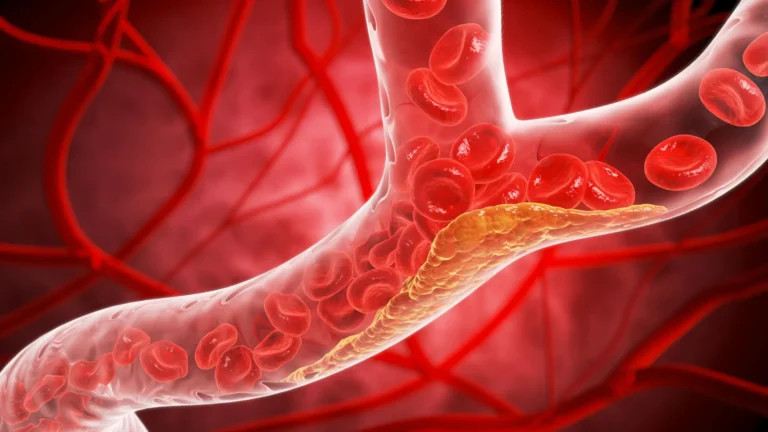
Red wine is rich in polyphenols and antioxidants, such as resveratrol. These compounds have been historically linked to improved endothelial function, reduced inflammation, and better cholesterol profiles. These biological markers may provide a protective buffer that is not present in spirits or beer.
The "Mediterranean" Lifestyle Factor
Beyond chemistry, the context of consumption matters. The study suggests that wine is more frequently consumed as part of a meal—often a Mediterranean-style diet characterized by fresh vegetables, healthy fats, and lean proteins. Furthermore, the demographic profile of wine drinkers often overlaps with individuals who have higher socioeconomic status and better overall health literacy.
Conversely, the study found that spirits and beer were more often consumed outside of meal settings and were more frequently associated with lower-quality diets and higher levels of sedentary behavior or other lifestyle risk factors.
Implications for Public Health and Future Research
While these findings offer a compelling look at the variables of alcohol intake, the researchers are quick to urge caution. Because the study was observational, it cannot definitively prove that wine causes these protective health outcomes. It is possible that the health of the wine drinker is a reflection of their broader lifestyle rather than the wine itself.
Important Limitations
- Observational Design: The study captures correlations but cannot establish direct causation. Randomized controlled trials would be required to isolate the effects of specific alcohols.
- Self-Reporting Bias: Participants reported their drinking habits only at the start of the study, failing to capture changes in behavior over the subsequent 13 years.
- The "Healthy User" Effect: Participants in the UK Biobank tend to be healthier than the general population, meaning the results may not be perfectly representative of all demographics.
Despite these limitations, the massive sample size and long-term duration of the study lend it significant statistical weight. For the average person, the takeaway is not necessarily a prescription to start drinking wine, but rather a reminder that health is the result of a cumulative lifestyle.
Conclusion: A More Nuanced Path Forward
The research presented at ACC.26 serves as a pivot point in the ongoing dialogue regarding alcohol. By moving the conversation beyond total grams of ethanol and toward the specific type of beverage and the context of its consumption, scientists are providing a clearer map for the public.
As the medical community looks to refine future health guidelines, this data underscores a vital truth: our choices—what we eat, what we drink, and how we integrate those habits into our daily routines—are deeply interconnected. While heavy alcohol consumption remains a clear danger to public health, the "low and moderate" category is proving to be a complex space where lifestyle and beverage choice matter more than we previously understood. For now, the safest guidance remains moderation, but with the added insight that not all "moderation" is created equal.