For decades, serotonin has been the primary protagonist in the narrative of mental health. Often dubbed the "feel-good" chemical, this neurotransmitter is famously central to the treatment of depression and anxiety. However, a growing body of medical research published between 2023 and 2026 suggests that serotonin’s influence extends far beyond the brain, playing a potentially critical—and occasionally destructive—role in the mechanics of the human heart.
Specifically, scientists are uncovering evidence that the serotonin transporter (SERT), the protein responsible for recycling serotonin, may act as a silent regulator of heart valve integrity. When this system falters in patients already suffering from degenerative valve disease, the consequences can be significant, prompting a new wave of investigation into whether the medications millions take for their mental well-being might inadvertently impact their cardiovascular health.
Main Facts: The Intersection of Neurology and Cardiology
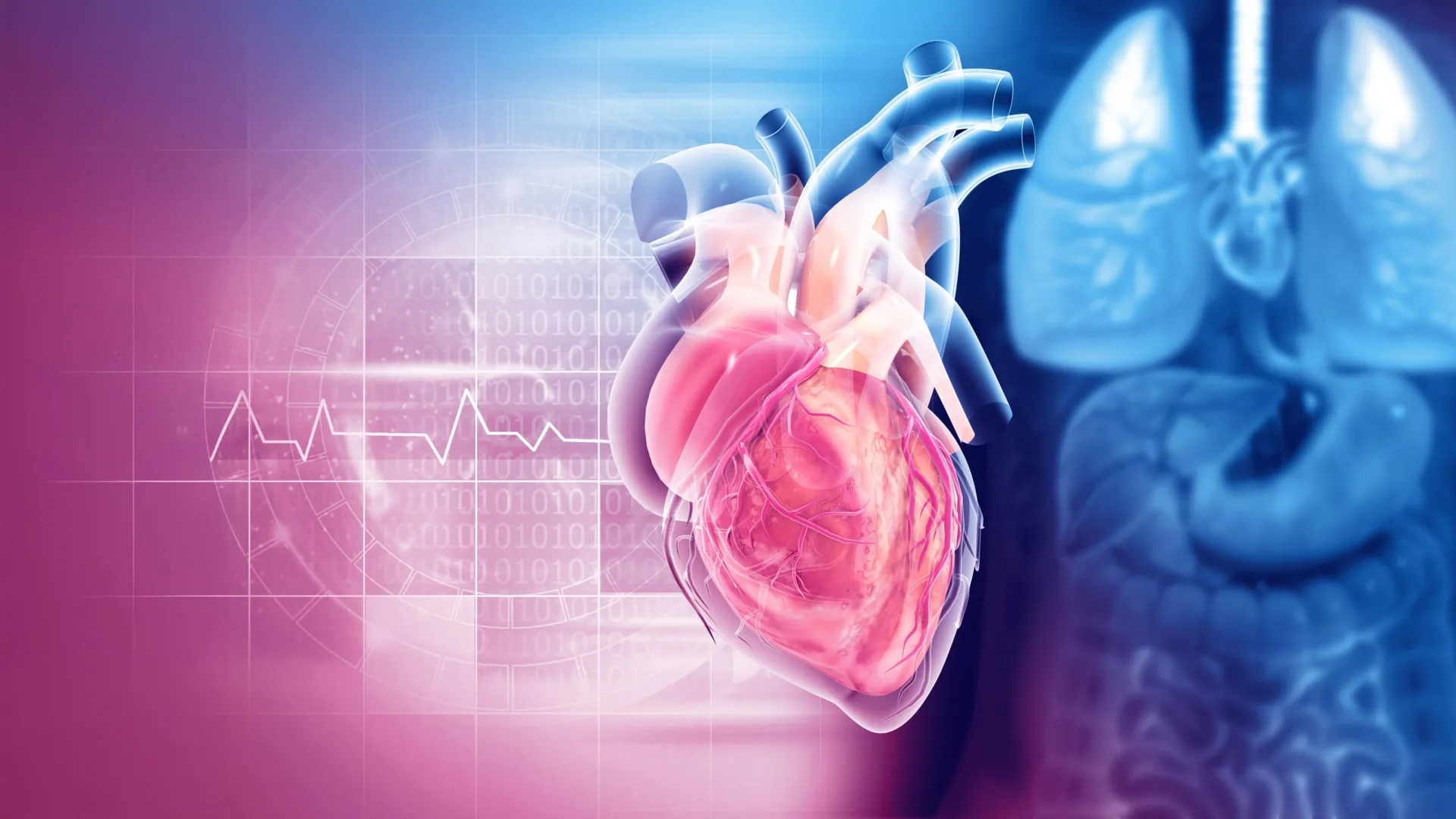
The mitral valve serves as the heart’s high-stakes gatekeeper, a delicate structure that ensures oxygen-rich blood flows in only one direction from the left atrium to the left ventricle. In Degenerative Mitral Regurgitation (DMR), this valve loses its structural integrity. The thin, precise flaps of the valve thicken or stretch, preventing a tight seal and causing blood to leak backward—a condition that forces the heart to work harder and can eventually lead to atrial fibrillation or heart failure.
The groundbreaking research, spearheaded by Columbia University’s Department of Surgery in collaboration with the Children’s Hospital of Philadelphia (CHOP) and other institutions, suggests that reduced activity of the serotonin transporter (SERT) may accelerate the progression of this degeneration. While serotonin is vital for mood, sleep, and digestion, its accumulation—or the lack of its proper reuptake—appears to trigger a fibrotic response in valve tissue. When SERT activity is low, mitral valve cells become hypersensitive to serotonin, leading to an overproduction of collagen. While collagen is essential for tissue strength, an excess causes the valve to stiffen and thicken, effectively sabotaging the heart’s pumping efficiency.
A Chronological Evolution of Discovery
The journey toward understanding this link has been rapid and multi-faceted, evolving from initial clinical observations to sophisticated genetic mapping.
- 2023: The Foundation. The seminal study published in Science Translational Medicine provided the first major evidence linking SSRI usage and SERT deficiency to accelerated mitral valve degeneration. Researchers analyzed over 9,000 patient records, finding that SSRI users with DMR required surgical intervention at a significantly younger age than their counterparts.
- 2024: The Fibrosis Connection. Expanding on the 2023 findings, researchers identified that mice with deficient SERT activity were not only prone to mitral valve issues but also to fibrosis of the left ventricular muscle. This study highlighted the HTR2B receptor as a key driver of this pathology, suggesting that the problem was systemic within the heart’s architecture.
- 2025: Beyond the Mitral Valve. The scope of research widened to include aortic stenosis—the narrowing of the aortic valve. Investigators found that patients with severe aortic stenosis exhibited elevated serum levels of serotonin, hinting that the "serotonin signaling" pathway might be a universal contributor to heart valve pathology.
- 2026: Experimental Targets and Meta-Analysis. In early 2026, researchers pinpointed HTR2B as a potential drug target, showing that blocking this receptor in mice could preserve valve structure. Furthermore, a systematic review and meta-analysis published the same year reported an odds ratio of 2.76 between SERT-modifying drugs and heart valve disease, solidifying the need for more rigorous clinical scrutiny.
Supporting Data: Genetic Vulnerability and Cellular Sensitivity
Central to these findings is the 5-HTTLPR gene region, which dictates the expression levels of the serotonin transporter. The research team identified a "long-long" genetic variant associated with naturally lower SERT activity.
Patients carrying this genetic signature who were also diagnosed with DMR showed a marked increase in the speed of their disease progression. In the lab, valve cells from these "long-long" individuals demonstrated a heightened response to serotonin exposure compared to other genetic profiles. When these cells were treated with fluoxetine (a common SSRI), they produced excessive collagen, confirming that the genetic makeup of a patient can dictate how their cardiovascular tissue reacts to pharmaceutical intervention.
However, it is crucial to note that these effects were not observed in healthy valves. The consensus among the researchers is that a robust, healthy valve can tolerate fluctuations in SERT activity. The danger arises only when the valve has already begun to degenerate, creating a "perfect storm" where genetic susceptibility, low SERT activity, and chronic serotonin exposure converge to accelerate structural failure.
Official Perspectives and Expert Interpretation
The research team, led by Giovanni Ferrari, PhD, of Columbia University and Robert J. Levy, MD, of CHOP, has been careful to contextualize these findings. They emphasize that while the data is compelling, it remains observational.
"If the degeneration of the mitral valve becomes severe, surgery to repair or replace the valve is needed," Dr. Ferrari notes. He underscores that while the association between SSRIs and accelerated valve disease is statistically significant, it does not imply that patients should alter their psychiatric care regimens. "SSRIs are generally safe for most patients," he clarifies. "It is unlikely that low SERT can cause degeneration of the mitral valve by itself."
Medical societies have largely maintained their standard guidelines, focusing on echocardiographic imaging, patient symptoms, and structural valve assessment. There is currently no mandate for routine genetic testing for the 5-HTTLPR variant, as clinical trials have yet to prove that such testing changes patient outcomes or improves management strategies.
Implications for Future Cardiology and Psychiatry
The discovery of the serotonin-valve axis opens several transformative doors for the future of precision medicine:
1. Potential for Personalized Cardiology
If genetic screening becomes standard, it could identify "at-risk" patients with early-stage mitral regurgitation. These individuals could be flagged for more frequent monitoring, ensuring that surgical intervention occurs at the optimal time to prevent congestive heart failure.
2. Novel Therapeutic Targets
The identification of the HTR2B receptor as a driver of fibrotic remodeling provides a high-potential target for drug development. An experimental drug that selectively blocks this receptor could theoretically halt or slow the progression of valve disease without the broad, systemic effects of SSRIs.
3. Rethinking Antidepressant Selection
For patients known to have degenerative heart valve disease, clinicians might eventually consider alternative antidepressants that do not act upon the serotonin transporter, thereby avoiding the potential "collateral damage" to the heart. This represents a shift toward an integrated approach where cardiologists and psychiatrists collaborate to manage a patient’s holistic health.
4. A Call for Longitudinal Research
Despite the excitement, the medical community remains cautious. The current findings are a call to action for large-scale, prospective clinical trials. To move beyond associations, researchers must track patients over years, controlling for diet, exercise, smoking, and the myriad of other factors that influence both heart and brain health.
Conclusion
The link between serotonin and the heart is a testament to the complexity of the human body, where chemical messengers serve multiple masters. While the evidence linking SERT activity to heart valve disease is a significant scientific milestone, it is not a reason for alarm. For the average person, the benefits of SSRIs in managing depression and anxiety far outweigh the theoretical risks to heart valves, particularly in the absence of pre-existing degeneration.
As research continues, the medical community stands on the precipice of a more nuanced understanding of heart disease—one that accounts for the hidden, genetic, and chemical pathways that influence our physical structures. For now, the most effective tool in the patient’s arsenal remains consistent, regular cardiology care and open communication with healthcare providers regarding all ongoing medical treatments. The "serotonin paradox" serves as a reminder that in the human body, everything is connected, and the smallest chemical signal can have the loudest impact on the rhythm of the heart.