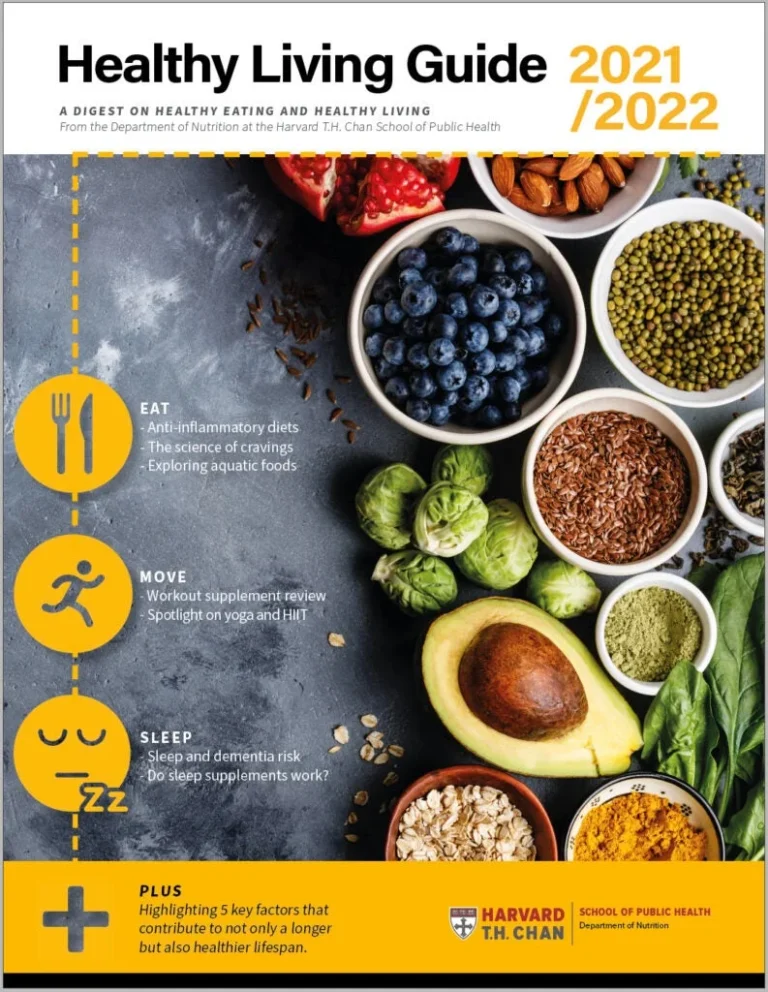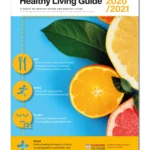







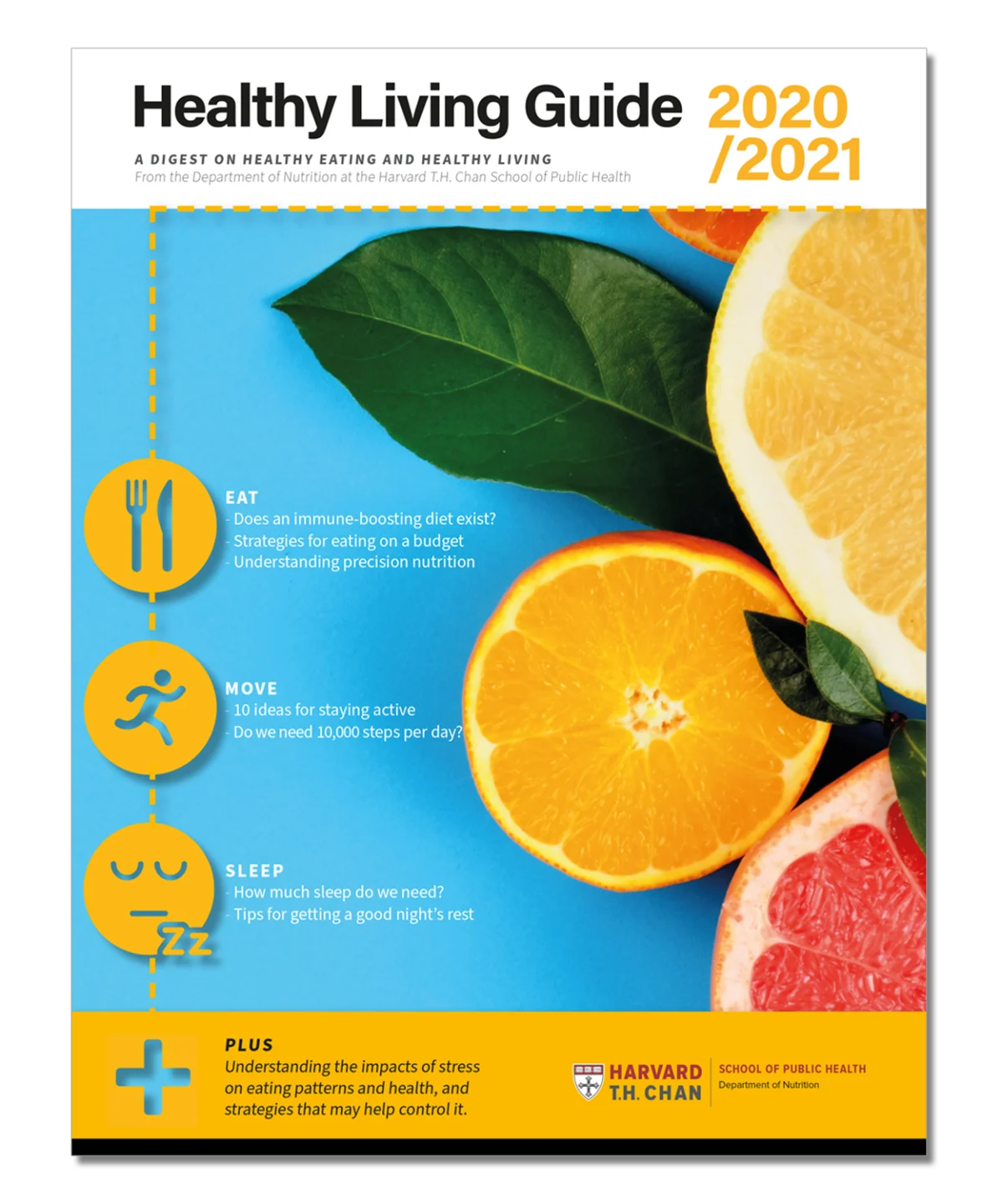
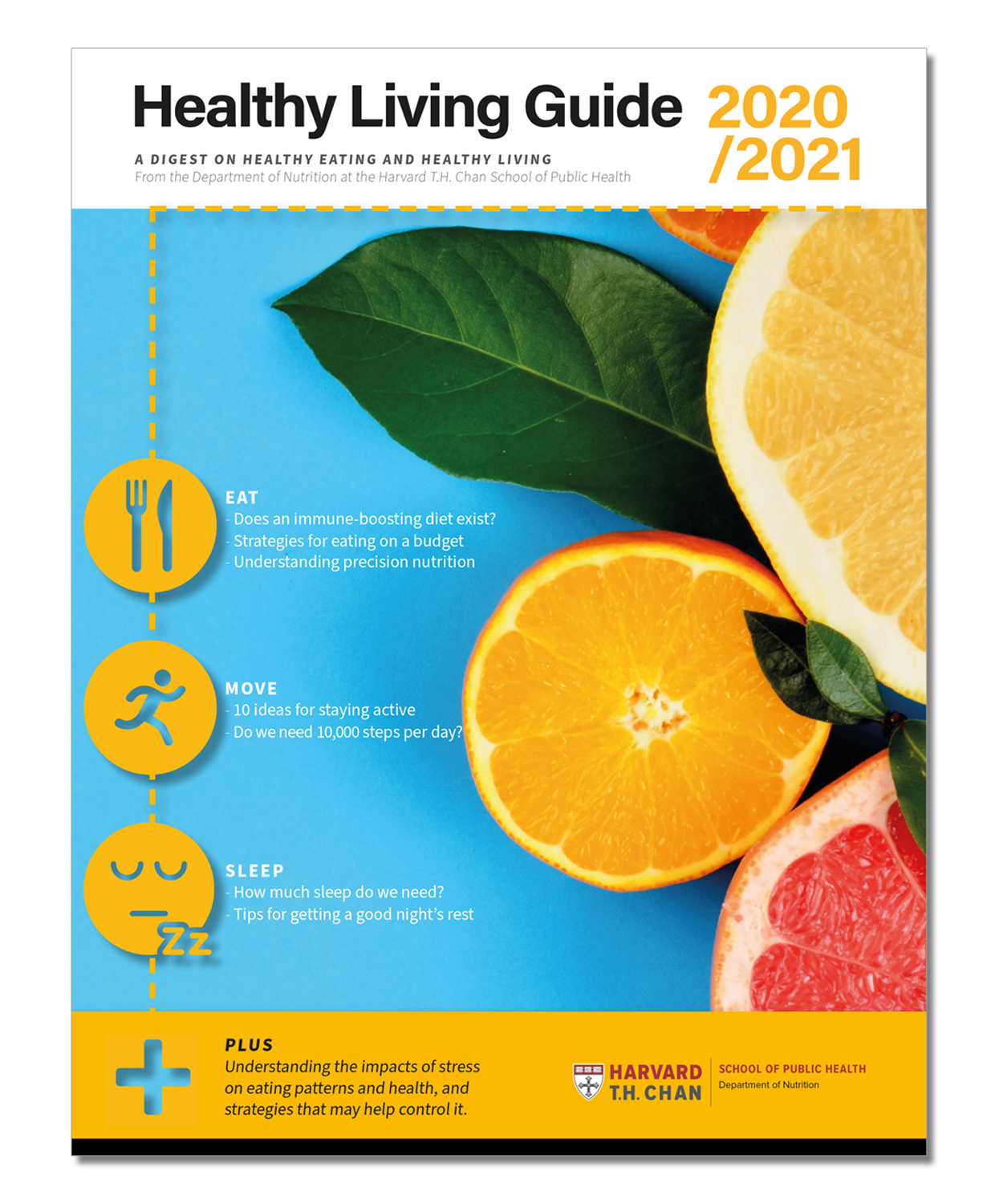
In an era defined by global health challenges and the persistent shadow of the COVID-19 pandemic, the pursuit of personal well-being has transitioned from a lifestyle choice to a fundamental necessity. As the world continues to navigate the multifaceted impacts of the last few years—ranging from food insecurity and economic instability to the profound psychological toll of social isolation—the Harvard T.H. Chan School of Public Health has released a revitalized Healthy Living Guide. This resource serves as a roadmap for individuals seeking to bolster their resilience, longevity, and overall quality of life through evidence-based practices.
Main Facts: The Pillars of Longevity
The core philosophy of the Healthy Living Guide rests on a robust foundation of longitudinal research. While there is no "magic bullet" or single dietary intervention capable of immunizing an individual against COVID-19 or any specific viral pathogen, the medical community maintains a consensus: a resilient immune system is the product of sustained, healthy habits.
The guide emphasizes five foundational pillars that distinguish those who live longer, healthier lives from those who succumb prematurely to chronic illness:
- A Nutrient-Dense Diet: Prioritizing whole foods—vegetables, fruits, whole grains, and healthy proteins—while minimizing processed sugars and trans fats.
- Regular Physical Activity: Engaging in consistent movement to manage weight, improve cardiovascular health, and boost mental clarity.
- Weight Management: Maintaining a healthy body mass index (BMI) to reduce the strain on vital organs and mitigate systemic inflammation.
- Alcohol Moderation: Limiting intake to prevent metabolic disruption and liver stress.
- Tobacco Abstinence: Avoiding smoking, which remains the leading preventable cause of death globally.
Scientific studies linked to these principles have yielded startling results: individuals who adhere to all five of these habits can expect to live more than a decade longer than their counterparts who do not. Furthermore, the benefit is not merely in the quantity of years, but the quality. Research indicates that adopting these habits by middle age significantly extends the number of years spent free of life-altering chronic conditions, such as type 2 diabetes, cardiovascular disease, and various forms of cancer.
Chronology: Navigating a Period of Global Flux
The timeline of health awareness over the past few years has been marked by a distinct shift in perspective.
- Early 2020: The sudden onset of the COVID-19 pandemic forced a global pivot. Health, previously a personal pursuit, became a public security issue. Lockdowns and social distancing led to sedentary behaviors and a rise in stress-related dietary shifts.
- Late 2020: As the novelty of the pandemic wore off, a secondary crisis emerged: "pandemic fatigue." The cumulative stress began to manifest in poorer sleep quality, increased alcohol consumption, and diminished motivation to exercise.
- 2021: Recognizing the psychological and physical exhaustion of the public, the medical community sought to provide actionable, low-barrier solutions. The publication of the Healthy Living Guide was a strategic response to this environment, offering printable resources and digital tools—such as the "Healthy Living Bingo Challenge"—to gamify wellness and make healthy choices feel achievable rather than overwhelming.
Supporting Data: The Science of Habit Formation
The efficacy of these five habits is not anecdotal; it is backed by extensive data sets. According to reports from the Harvard T.H. Chan School of Public Health, the impact of these lifestyle choices is measurable and profound.
The "Decade-Plus" Effect
Data derived from large-scale prospective cohort studies suggests that men and women who adopt all five healthy habits live approximately 12 and 14 years longer, respectively, than those who adopt none. These figures are calculated based on mortality rates and incidence of disease over a 30-year observation period.
Disease-Free Survival
Perhaps more compelling than total life expectancy is the concept of "healthspan"—the number of years lived in good health. Longitudinal analysis shows that participants who maintained a healthy weight, exercised for at least 30 minutes daily, and followed a Mediterranean-style diet saw their risk of type 2 diabetes plummet by as much as 80%. Similarly, cardiovascular disease risk dropped by roughly 60%. These statistics underscore that we are not merely passive recipients of our genetic code; our environment and daily choices are the primary drivers of our physiological destiny.
Official Responses and Expert Recommendations
Health authorities and nutrition experts have increasingly moved toward a holistic view of human biology. Rather than focusing solely on clinical treatments, the focus has shifted toward "lifestyle medicine."
The experts behind the Healthy Living Guide acknowledge that the "all-or-nothing" mentality is the enemy of progress. During times of stress, the brain’s executive function—responsible for self-regulation and impulse control—is often compromised. Therefore, the guide encourages small, incremental changes.
"We recognize that for many, these are uncertain and stressful times," the researchers note. Their recommendation is to prioritize self-compassion. If a gym routine is impossible, a walk around the block suffices. If a perfect meal plan is out of reach, replacing one processed snack with a piece of fruit is a victory. The goal is the creation of a "positive feedback loop," where small wins build the self-efficacy required to sustain long-term behavioral changes.
Implications: The Future of Preventive Care
The implications of this movement are significant for public health policy and individual agency. By emphasizing these five habits, the Healthy Living Guide seeks to democratize health, making it accessible to anyone with access to basic nutrition and space for movement.
The Psychological Component
The guide also addresses the "hidden" aspect of physical health: mental well-being. By integrating activities such as hobbies, mindfulness, and social connection (even if virtual) into the definition of a "healthy lifestyle," the guide bridges the gap between mental and physical health. The inclusion of the "Healthy Living Bingo Challenge" is a deliberate psychological intervention designed to stimulate the brain’s reward centers, providing a sense of achievement during times when many feel they have lost control over their circumstances.
Moving Beyond 2021
As we move further away from the initial shock of the pandemic, the lessons learned remain as relevant as ever. The global experience has highlighted that our individual health is inextricably linked to our lifestyle habits. The Healthy Living Guide serves as a perennial resource, reminding us that regardless of external conditions, the power to influence our biological trajectory remains largely within our own hands.
In conclusion, the path to long-term health is not paved with extreme diets or punishing exercise regimens. It is constructed from the mundane, daily decisions to prioritize the body’s fundamental needs. By downloading resources like the Healthy Living Guide, individuals are not just printing a piece of paper; they are making a commitment to the long-term stewardship of their health, ensuring that when the next global challenge arises, they are standing on the firmest possible ground.
For those interested in actionable steps, the printable materials and the full Healthy Living Guide are available via the Harvard Nutrition Source. By utilizing these tools, readers can track their progress, learn about the latest in nutritional science, and join a community committed to the evidence-based pursuit of a healthier, longer life.