









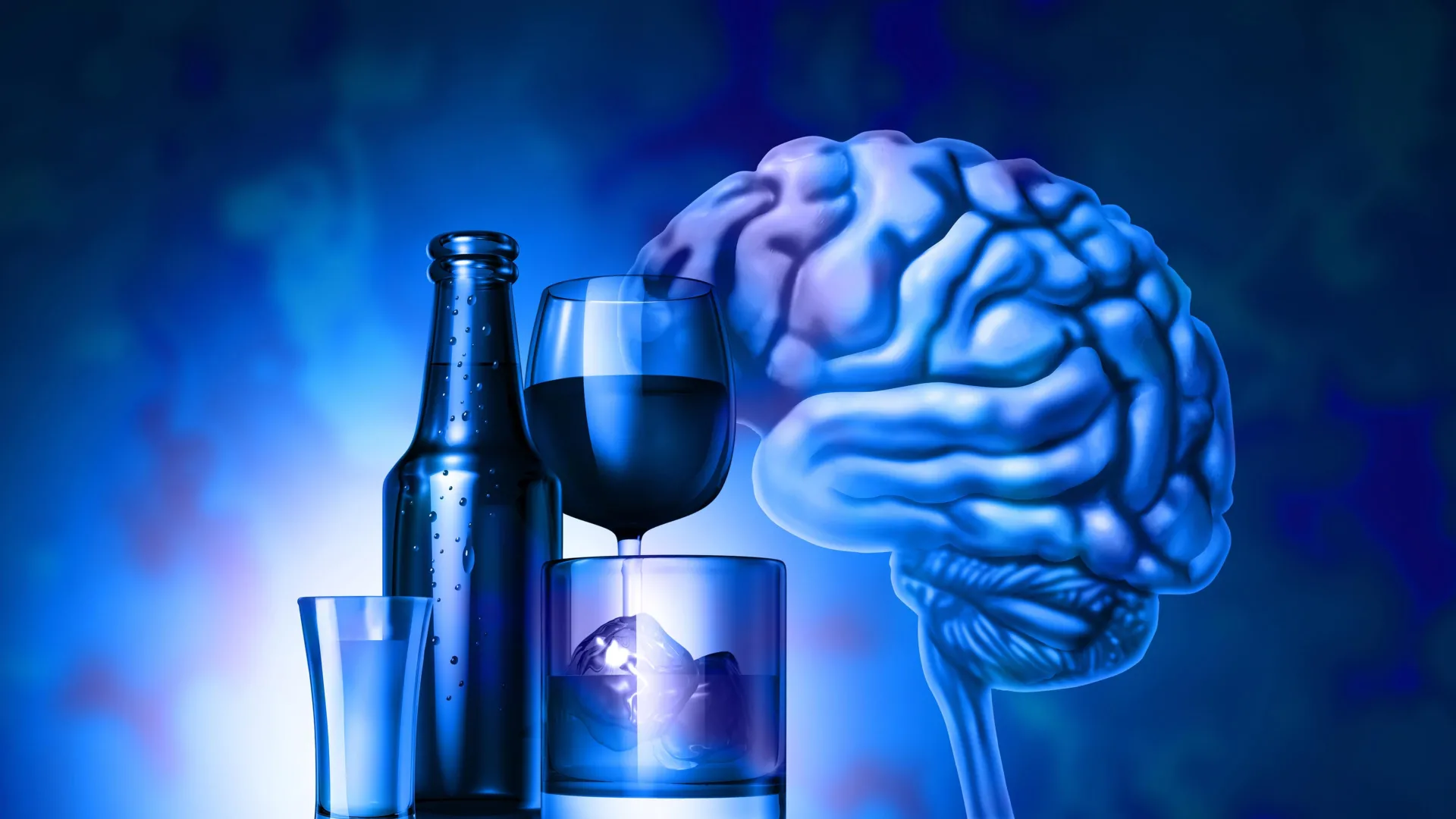
New research from the University of Massachusetts Amherst has provided a sobering look at the long-term biological consequences of "stress-drinking" during early adulthood. The findings, published in the journal Alcohol Clinical and Experimental Research, suggest that the intersection of stress and alcohol consumption creates a physiological "scar" in the brain—a neurobiological legacy that persists even after years of sobriety.
This study moves beyond the traditional narrative of alcohol use as a behavioral choice, reframing it as a process that physically alters the brain’s decision-making circuitry. As these individuals reach middle age, the damage manifests as reduced mental flexibility, an increased propensity for relapse, and early indicators of cognitive decline similar to those seen in the early stages of dementia and Alzheimer’s disease.
The Core Findings: A Lasting Neurobiological Imprint
The research, led by Elena Vazey, associate professor of biology at UMass Amherst, sought to map how the brain’s "wiring" changes when exposed to the dual pressures of stress and alcohol during the formative years of early adulthood. Using an animal model—specifically mice, whose brain architecture in decision-making regions closely mirrors that of humans—the team discovered that the combination of stress and alcohol is significantly more destructive than either factor acting in isolation.
Perhaps the most alarming takeaway is that these brain changes do not necessarily reverse with abstinence. The study observed that middle-aged subjects with a history of early-adulthood stress-drinking showed a heightened tendency to resume alcohol consumption during stressful events later in life, regardless of how long they had been sober. This suggests that the brain’s fundamental response to stress has been permanently recalibrated.
Chronology: From Early Habits to Middle-Age Decline
To understand the trajectory of this damage, researchers examined the progression of cognitive health from early adulthood through middle age.
The Early Adulthood Phase: The Cycle Begins
In the initial stages, alcohol is often used as a pharmacological "bandage" for stress. During early adulthood, when the brain is still refining its neural pathways, this reliance creates a feedback loop. Alcohol temporarily blunts the physiological stress response, but it simultaneously weakens the brain’s innate capacity to manage that stress autonomously. Over time, the subject requires higher doses of alcohol to achieve the same emotional baseline, creating a physiological dependency that is as much about chemistry as it is about habit.
The Middle-Age Manifestation
As the study subjects reached what would be considered middle age, researchers did not necessarily see a deficit in raw learning ability. Instead, they observed a profound decline in "cognitive flexibility"—the ability to adapt to new information, pivot in changing environments, and make sound decisions when circumstances shift.
Vazey notes that middle age is often the "pressure cooker" of the human lifespan, where the cumulative effects of life’s responsibilities collide with the brain’s diminishing capacity to adapt. The study links this loss of flexibility directly to the early-adulthood exposure, framing the decline not as a lack of willpower, but as a direct result of damaged neural circuitry.
The Mechanism: Why the Locus Coeruleus Matters
The UMass Amherst team focused their investigation on a small, highly critical region of the brainstem called the locus coeruleus (LC). The LC is the brain’s primary source of norepinephrine, a neurotransmitter that governs alertness, arousal, and, crucially, adaptive decision-making.
The Failure of the "Off-Switch"
In a healthy, resilient brain, the LC activates during a stressful event to help the individual navigate the challenge, then returns to a baseline state once the threat has passed. However, the study found that in brains exposed to chronic stress and alcohol, the LC loses the molecular machinery required to "shut itself off."
Because the LC remains in a state of chronic, low-level activation, the brain is effectively stuck in a cycle of maladaptive stress response. This prevents the individual from processing environmental cues correctly, which in turn leads to the poor decision-making and cognitive stagnation identified by the researchers.
The Role of Oxidative Stress
Beyond the electrical failure of the LC, the researchers uncovered high levels of oxidative stress—a form of cellular damage caused by an imbalance of free radicals—within this region. Oxidative damage is a known hallmark of neurodegenerative diseases, including Alzheimer’s. The fact that this damage persisted in the middle-aged brains of formerly heavy-drinking subjects, despite long-term abstinence, indicates that the brain is struggling to repair the fundamental cellular infrastructure required for cognitive health.
Official Perspectives and Expert Insight
"My lab studies the neurocircuitry that underlies how we make decisions," said Elena Vazey, the study’s senior author. "We all know that drinking can often lead to poor decision-making, but we wondered how early adulthood drinking combined with stress affects that circuitry, especially as we grow older. If we can figure out how alcohol and stress change the brain’s circuitry, then we can help figure out how best to help people."
Vazey’s comments underscore a paradigm shift in how the medical community views addiction and long-term sobriety. For years, the focus has been almost exclusively on the behavioral act of cessation—helping the patient put down the bottle. This study, supported by the National Institute on Alcohol Abuse and Alcoholism (NIAAA), suggests that the biological damage remains long after the alcohol is gone.
"The brain can really struggle to recover from a history of chronic stress and drinking in early adulthood," Vazey added. "We think that the oxidative damage might be one of the things that keeps the heavy drinking going, that can lead to someone going back to alcohol even after long-term abstinence. It’s these persistent changes in the brain that also impair decision making and lead to the kinds of early cognitive decline associated with dementia and Alzheimer’s."
Implications: A New Roadmap for Treatment
The implications of this research are profound for both public health policy and clinical practice.
Rethinking Addiction Recovery
If the brain’s wiring is physically altered, then "willpower" is an insufficient metric for success in recovery. The study suggests that patients who have experienced long-term stress-drinking in their youth may require therapeutic interventions that go beyond traditional counseling. Future treatments might need to target the molecular damage in the locus coeruleus or use neuro-protective agents to combat the oxidative stress that persists during sobriety.
Early Intervention
The findings highlight the urgent need to address stress-management techniques in younger populations. If the damage to the LC is cumulative and begins early, schools, universities, and health organizations may need to emphasize healthier stress-coping mechanisms during early adulthood as a preventative measure against mid-life cognitive decline and dementia.
The Future of Dementia Research
By linking alcohol-induced circuit damage to the mechanisms of Alzheimer’s and dementia, the UMass Amherst study offers a potential new avenue for dementia research. If oxidative stress in the brainstem is a precursor to larger cognitive failures, early screening of those with a history of heavy substance use could lead to earlier interventions that might slow or even prevent the onset of more severe neurodegenerative conditions.
In conclusion, the research underscores that the body—and specifically the brain—keeps a score that is not easily erased. By shifting the focus from the act of drinking to the biological legacy of the stress-alcohol cycle, scientists are opening the door to a new era of medical interventions that treat the root causes of cognitive decline rather than merely managing the symptoms of behavioral choices. The message is clear: the most effective time to protect the aging brain is during the years when we are still in the prime of our youth.