









By Editorial Staff (Based on insights from Anthony Nave, LCSW)
Adolescence is often described as a period of "storm and stress," a transitional bridge between childhood and adulthood defined by rapid physiological, neurological, and social shifts. While these changes are a natural part of human development, they also render adolescents uniquely vulnerable to the development of Substance Use Disorders (SUD) and process addictions—compulsive behaviors ranging from pathological gambling and excessive internet use to shopping and sexual compulsivity.
For parents, educators, and clinicians, the rise in these behaviors is a source of profound anxiety. When young people begin to struggle, the immediate reaction from their support systems is often characterized by confusion and urgency: Why is this happening? How can we spot the signs? How do we intervene effectively without damaging the relationship?
Main Facts: The Intersection of Biology and Environment
Substance use disorders and process addictions are rarely the result of a single "trigger." Instead, they arise from a complex interplay of risk and protective factors. When risk factors—such as trauma, genetic predisposition, lack of social support, or academic pressure—outweigh protective factors, the foundation for addictive behavior is laid.
The Neurological "Perfect Storm"
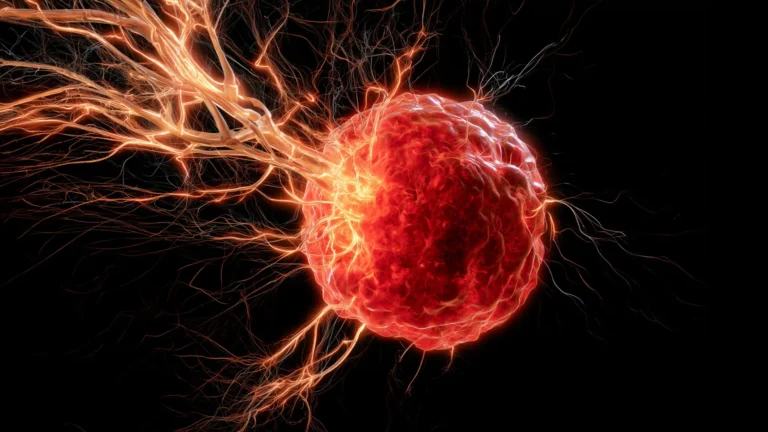
The primary biological factor driving adolescent vulnerability is the uneven pace of brain development. The adolescent brain features a highly active limbic system—the "go" system responsible for emotional intensity, reward-seeking, and motivation—paired with an underdeveloped pre-frontal cortex (PFC).
The PFC serves as the brain’s executive command center. It is responsible for impulse control, abstract reasoning, emotional regulation, and long-term planning. Because the PFC does not fully mature until the mid-twenties, adolescents are essentially operating a high-performance vehicle with a faulty braking system. During this window, the brain is hyper-responsive to dopamine-inducing activities, making the experimental phase of adolescence a high-stakes period where substance use can rapidly hijack neurobiological reward pathways.
Chronology of Development: From Exploration to Dependency
To understand the trajectory of addiction, one must look at how an adolescent’s social environment evolves.
- The Shift in Attachment: As children reach adolescence, they naturally pivot away from primary caregivers to prioritize peer relationships. This is an evolutionary adaptation intended to foster independence.
- The Risk-Taking Phase: Because the limbic system is primed for novelty and social acceptance, adolescents are naturally inclined to take risks to create new experiences. When these experiences involve substances, the brain’s "reward" circuitry is reinforced.
- The Erosion of Control: If substance use becomes repetitive, it physically alters the brain. Research indicates that chronic substance use during this developmental window can impede the maturation of the pre-frontal cortex, effectively "freezing" the brain’s ability to develop self-regulatory mechanisms.
- The Emergence of Disorder: What begins as social experimentation can quickly progress to dependence. As the brain adapts to the presence of external substances, the individual loses the ability to feel "normal" without them, marking the transition from use to disorder.
Supporting Data: Identifying the Warning Signs
Distinguishing between the typical behavioral changes of puberty and the signs of a substance use disorder is one of the greatest challenges for parents. While moodiness, social withdrawal, and physical changes are common in both, the intensity and presence of physical evidence are the primary differentiators.
Physical Indicators
Parents should be vigilant for the presence of drug paraphernalia, which may include:

- Modified soda cans or water bottles used as pipes.
- Vaping devices, mods, or pods.
- Unexplained presence of prescription bottles or chemical odors.
- Physical remnants such as rolling papers, syringes, or burnt residue.
Behavioral and Social Indicators
Beyond physical evidence, parents should monitor for:
- Financial Discrepancies: Unexplained loss of money, missing household items, or unexplained debt.
- Academic Decline: A sudden, sharp drop in grades or attendance.
- Social Isolation: Withdrawing from long-term hobbies and replacing old friend groups with new, secretive acquaintances.
- The "Puberty Mask": While it is common for teenagers to be irritable, a persistent, volatile, or "dead-eyed" shift in personality that remains unresponsive to family engagement is a red flag.
Official Responses and Therapeutic Frameworks
Addressing these issues requires a departure from punitive measures toward a "trauma-responsive" and "relational" approach. Clinicians emphasize that "rescuing" a child from consequences is rarely effective, but building a foundation of open communication is paramount.
The Power of "O.A.R.S."
Therapists often utilize the Motivational Interviewing technique known as O.A.R.S. to engage adolescents without triggering defensiveness:
- Open-ended questions: Instead of "Did you use drugs?", try "What has been the most challenging part of your week?"
- Affirmations: Validate their efforts and strengths to build self-efficacy.
- Reflections: Repeat back what you hear to show you are listening, not judging.
- Summaries: Combine their thoughts into a coherent summary to ensure understanding.
Avoiding the "Four Horsemen"
Drawing on the work of Dr. John Gottman, experts warn against the "Four Horsemen" of communication: Criticism, Contempt, Defensiveness, and Stonewalling. When a parent approaches a struggling teen with these behaviors, they effectively sever the lines of communication, pushing the adolescent further into isolation and deeper into their addiction.
Implications: The Path to Recovery
Recovery for an adolescent is not merely about cessation; it is about providing the brain and the individual the resources needed to finish the developmental work that was interrupted by substance use.
The Continuum of Care
When self-help or family intervention is insufficient, a professional continuum of care is necessary. This often involves:
- Community Support: Programs like 12-step groups (AA/NA), SMART Recovery, or Dharma Recovery provide the social connection that the adolescent brain craves, but in a pro-social, sober environment.
- Clinical Treatment: Ranging from Intensive Outpatient Programs (IOP) to residential care, professional treatment provides structure.
- Medication-Assisted Treatment (MAT): Used in conjunction with therapy, MAT can help stabilize the brain’s chemistry, allowing the individual to engage more effectively in the cognitive work of recovery.
The Role of the Caregiver
The most critical takeaway for families is that the home environment must be a "warm holding environment." This means creating a space where the adolescent feels safe enough to be honest about their struggles. If an adolescent feels they can be curious about their own identity and emotions without fear of judgment or "The Four Horsemen," they are far more likely to seek help before a crisis occurs.
Recovery is a daunting process, but because of the brain’s neuroplasticity, change is always possible. By understanding that addiction is a developmental and biological challenge rather than a moral failing, parents and clinicians can work together to provide the support, structure, and patience required to guide adolescents back toward a healthy path of maturation.
References
- Gottman, J. (2023). The Four Horsemen: Criticism, Contempt, Defensiveness, and Stonewalling.
- Siegel, D. J. (2015). The Developing Mind: How Relationships and the Brain Interact to Shape Who We Are.
- Substance Abuse and Mental Health Services Administration (SAMHSA). (2020). Substance Use Disorder Treatment and Family Therapy.
- SAMHSA. (2021). Medication-Assisted Treatment (MAT) resources.
- Siegel, D. J. (2014). Brainstorm: The Power and Purpose of the Teenage Brain.