





Date: January 20, 2026
In the modern healthcare landscape, the role of the Respiratory Therapist (RT) has evolved from a specialized support position to a cornerstone of acute, critical, and preventative care. As respiratory illnesses continue to present complex challenges to hospital systems globally, the dedication of individual practitioners often goes unnoticed by the public they serve. However, two recent spotlights—one honoring a prestigious national award and another highlighting the indispensable role of community-based practitioners—remind us of the profound impact these professionals have on patient outcomes and community well-being.
This report explores the recent achievements of AARC members Seth Riley, RRT, and Teri Osterhout-Paton, RRT, CPFT, AE-C, contextualizing their work within the broader framework of the respiratory care profession in 2026.
Main Facts: Recognizing Outstanding Care
The American Association for Respiratory Care (AARC) recently highlighted the achievements of two of its members whose work exemplifies the high standard of care required in contemporary medicine.
The PHIL Award: Honoring Excellence at the Bedside
Seth Riley, RRT, a respiratory therapist based at Holzer Jackson Hospital, was recently honored with the prestigious PHIL Award. Established by The FACES Foundation, the PHIL Award (standing for Pulmonary Health and Illness Literature) is a national recognition program designed to honor respiratory therapists who provide outstanding care and treatment for patients suffering from respiratory conditions.
The award is particularly significant because it focuses on the "human" side of medicine. It recognizes therapists who not only demonstrate clinical excellence but also embody the compassion, empathy, and educational support necessary to help patients navigate chronic and acute lung diseases. Riley’s recognition highlights the vital role that bedside RTs play in patient recovery and long-term pulmonary health management.
Community-Centered Care in Rural Settings
In a different but equally vital vein, Teri Osterhout-Paton, RRT, CPFT, AE-C, was recently profiled in The Mountain Eagle for her dedicated service at Margaretville Memorial Hospital. Her work serves as a prime example of the multifaceted role RTs play in rural and community hospitals. As a Certified Pulmonary Function Technologist (CPFT) and a Certified Asthma Educator (AE-C), Osterhout-Paton represents the specialized knowledge required to manage diverse patient populations—ranging from diagnostic testing to long-term chronic disease management.
Chronology: The Evolution of Respiratory Care Recognition
The history of respiratory therapy is a testament to the profession’s growing necessity. From its origins as "inhalation therapy" in the mid-20th century to the highly autonomous, evidence-based profession it is today, the timeline of the RT has been marked by increasing academic requirements and clinical responsibilities.
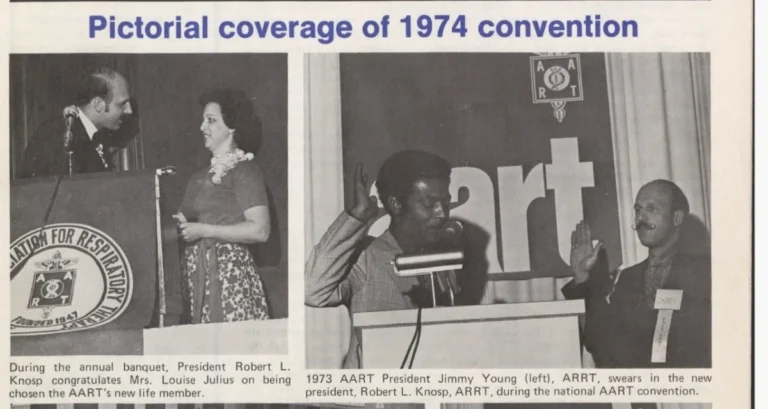
- 1947: The Inhalation Therapy Association is founded, marking the birth of the formal profession.
- 1982: The profession officially adopts the title "Respiratory Therapist," reflecting a shift toward comprehensive clinical assessment rather than just oxygen delivery.
- Early 2000s: The introduction of specialized certifications, such as the AE-C (Asthma Educator-Certified), begins to define the RT as a key figure in public health education.
- 2020–2022: The global pandemic thrusts the RT into the spotlight as the primary clinical experts in mechanical ventilation and critical care, leading to a surge in public awareness.
- January 2026: The recognition of practitioners like Riley and Osterhout-Paton underscores the ongoing transition of the RT from a behind-the-scenes technician to a front-line clinical leader.
Supporting Data: The Impact of RTs on Patient Outcomes
The importance of the work performed by professionals like Riley and Osterhout-Paton is supported by extensive data regarding respiratory health and the efficacy of specialized care.
Clinical Efficacy and Readmission Rates
According to data from the Centers for Medicare & Medicaid Services (CMS), chronic obstructive pulmonary disease (COPD) remains one of the leading causes of hospital readmission. Research consistently shows that when respiratory therapists are involved in the management of these patients—specifically through education and the implementation of evidence-based care bundles—readmission rates drop significantly.
The Demand for Specialized Knowledge
The presence of certifications like the AE-C, held by Osterhout-Paton, is a critical component of modern healthcare. Studies indicate that patients who receive education from a certified asthma educator are:
- 30% more likely to adhere to their medication regimens.
- 40% less likely to require emergency department visits for acute exacerbations.
- Significantly more confident in their ability to manage their condition at home.
The recognition of these two therapists is not merely a celebration of individuals; it is a validation of the professional standard of care that the AARC advocates for across all levels of the healthcare system.

Official Responses and Professional Implications
The Value of Recognition
The AARC maintains that acknowledging the work of members is essential for morale and professional advocacy. By highlighting awards like the PHIL Award, the organization brings attention to the "soft skills" that define a great clinician: communication, empathy, and the ability to educate patients and their families.
In the case of the PHIL Award, the FACES Foundation notes that the award was created specifically because, despite the critical nature of their work, respiratory therapists often labor in the shadows of the hospital environment. Public recognition helps to bridge the gap between patient experience and clinical execution.
The Future of the Profession
For clinicians like Seth Riley and Teri Osterhout-Paton, their roles are indicative of a broader trend: the "Next Step" in the respiratory therapist’s journey. As medical technology becomes more sophisticated—with AI-driven ventilation, home-based monitoring systems, and advanced diagnostic testing—the role of the RT is becoming increasingly sophisticated.
The AARC emphasizes that the future of the profession relies on two pillars:
- Professional Development: Encouraging RTs to pursue advanced certifications (like CPFT or AE-C) to broaden their scope of practice.
- Professional Connectivity: Utilizing organizations like the AARC to network, share best practices, and advocate for policy changes that reflect the true value of respiratory care.
Implications: Building a Resilient Healthcare System
The implications of celebrating such practitioners go beyond the individuals themselves. As the population ages and the prevalence of respiratory conditions increases, the demand for highly skilled RTs will continue to outpace supply.
Recruiting the Next Generation
Stories like those of Riley and Osterhout-Paton are vital recruitment tools. When potential students see the impact that an RT can have on a community—whether through receiving national awards for bedside excellence or providing critical education in a rural setting—the profession becomes more attractive.
Advocacy and Policy
The recognition of these members provides the AARC with tangible examples to present to policymakers. When the association lobbies for higher reimbursement rates for respiratory services or for mandatory RT coverage in specific care settings, they rely on the stories of clinicians who provide high-value care. The "PHIL Award" winners and "Community RTs" are the faces of a profession that saves lives daily, yet requires structural support to continue performing at such a high level.
Conclusion: The Journey Continues
The achievements of Seth Riley and Teri Osterhout-Paton serve as a poignant reminder of the dedication inherent in the respiratory therapy profession. Their stories—one rooted in the high-acuity environment of hospital-based critical care and the other in the long-term, relationship-driven world of rural health—highlight the diversity of the RT’s role.
For those currently practicing or considering a career in this field, the message is clear: the journey of the respiratory therapist is one of constant growth, specialized expertise, and profound human connection. As the AARC continues to support its members through education, advocacy, and recognition, it reinforces the truth that the respiratory therapist is not just an essential part of the care team—they are the heartbeat of respiratory health.
The next step in your own respiratory therapist journey starts today. Whether you are seeking to earn your next credential, connect with peers across the country, or advocate for the future of the profession, the AARC provides the resources to ensure that your work is recognized, supported, and celebrated.
Join thousands of other dedicated professionals and take the next step in your career. The patient you see tomorrow may be the one who benefits from the expertise you gain today.