








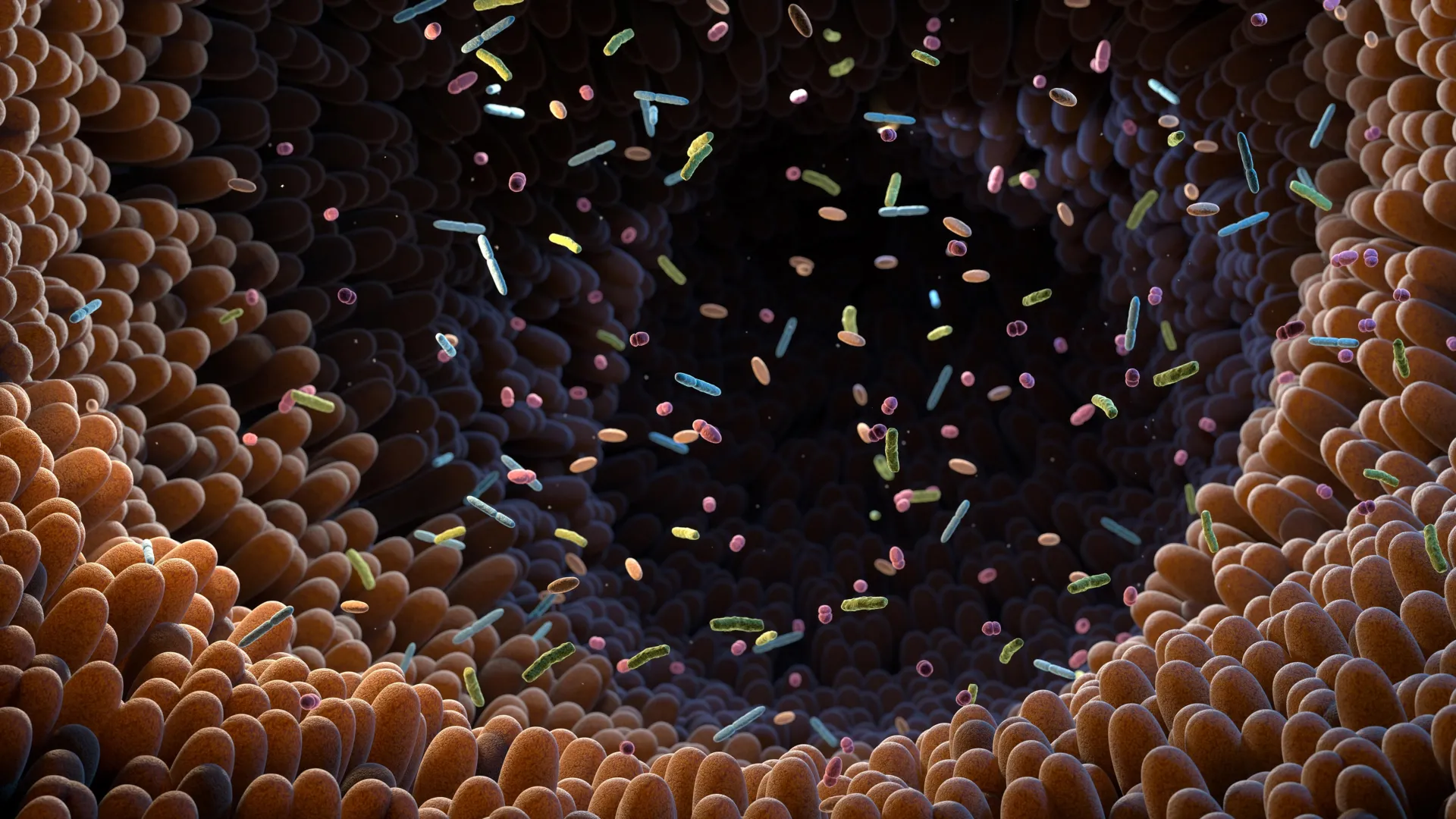
In a groundbreaking discovery that bridges the gap between nutrition, microbiology, and clinical medicine, researchers at the Karolinska Institutet have uncovered a sophisticated biological mechanism that explains why a plant-based diet serves as a powerful shield against chronic disease. Published in the journal Cell, the study reveals that the human gut microbiome acts as a chemical laboratory, transforming common dietary components—nitrate and non-haem iron—into potent, health-promoting molecules known as dinitrosyl iron complexes (DNICs).
This discovery offers a new paradigm in nutritional science, suggesting that the benefits of leafy greens and legumes extend far beyond their basic vitamin content. Instead, these foods provide the raw materials for a microbial transformation that actively protects the cardiovascular system and regulates metabolic health.
The Core Findings: A New Frontier in Microbiome Research
The central thesis of the Karolinska study is that the symbiotic relationship between humans and their gut bacteria is far more dynamic than previously understood. While it has long been known that gut microbes assist in digestion and vitamin synthesis, this study proves they also facilitate the synthesis of complex bioactive molecules.
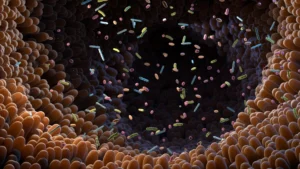
Nitrate, abundant in vegetables like beetroot, spinach, and rocket, and non-haem iron, found in beans and whole grains, are the building blocks. In the presence of specific bacterial colonies within the gut, these two ingredients are synthesized into DNICs. Once formed, these complexes are absorbed into the bloodstream, where they travel to vital organs—most notably the liver and kidneys—to exert protective effects.
The researchers confirmed the absolute necessity of the microbiome in this process by comparing conventional mice with "germ-free" mice. The results were stark: germ-free subjects were entirely devoid of DNICs, proving that without the chemical intervention of gut bacteria, these health-promoting molecules simply do not exist in the host.
Chronology of the Discovery
The journey to this discovery involved a multi-year effort that integrated molecular biology, advanced analytical chemistry, and physiological modeling.
Phase 1: Identification and Verification
The research team began by using high-resolution mass spectrometry and electron paramagnetic resonance spectroscopy to identify the chemical signature of DNICs within various tissues. Through a series of experiments involving cell cultures, they confirmed that these molecules were not just present, but biologically active.
Phase 2: Testing the Microbiome Dependency
Once the presence of DNICs was established, the team moved to identify their source. By contrasting the tissue profiles of mice with a full gut microbiome against those raised in sterile environments, the team identified the gut bacteria as the primary "manufacturers." This phase was critical, as it narrowed the focus from systemic metabolic processes to specific microbial activity.
Phase 3: The Functional Impact Study
With the biological mechanism established, the researchers turned their attention to the clinical consequences. They administered nitrate and iron supplements to animal models to stimulate DNIC production, and in other trials, administered synthetically produced DNICs directly. This allowed the team to measure the physiological "delta"—the observable change in health markers—attributable to the presence of these complexes.
Phase 4: Data Synthesis and Publication
Following the successful observation of improved health markers in animal models, the team synthesized their findings into a comprehensive report. The publication in Cell represents the culmination of a rigorous peer-review process, confirming that the pathway from diet to health is mediated by a previously unidentified microbial step.
Supporting Data: The Biological Evidence
The study’s impact is supported by a robust set of data points derived from the controlled animal models. When DNIC levels were elevated, the researchers documented several significant improvements:
- Cardiovascular Function: The subjects showed a marked reduction in blood pressure and an improvement in vascular endothelial function—the ability of blood vessels to dilate and respond to demand.
- Metabolic Regulation: There was a measurable improvement in blood sugar control, suggesting that DNICs play a role in insulin sensitivity.
- Hepatic Health: The researchers observed a significant reduction in fat accumulation in the liver, a key indicator for preventing non-alcoholic fatty liver disease (NAFLD).
- Tissue Distribution: Advanced analytical techniques allowed the team to track the movement of DNICs, proving that the gut-derived molecules were successfully reaching the liver and kidneys, where they acted to mitigate oxidative stress and inflammation.
These findings suggest that DNICs function as a signaling system, potentially modulating the body’s internal environment to favor homeostasis over pathological progression.
Official Responses and Expert Commentary
The significance of the Karolinska Institutet study lies in its potential to change dietary recommendations and therapeutic approaches to chronic disease.
Dr. Andrei L. Kleschyov’s Perspective
As the study’s first and co-corresponding author, Dr. Andrei L. Kleschyov, Senior Researcher at the Department of Physiology and Pharmacology, emphasizes the transformative nature of the gut microbiome. "Our results show that gut bacteria can convert components in food into biologically active molecules that influence important bodily functions," Dr. Kleschyov stated. His work highlights the "biologically active" nature of these complexes, suggesting that we are not merely consuming calories, but providing the raw materials for a microbial-human chemical factory.
Professor Mattias Carlström’s Interpretation
Professor Mattias Carlström, a specialist in Cardiorenal Physiology, provides the clinical context for the findings. "Among other things, we observed lower blood pressure and improved vascular function, better blood sugar control, and reduced fat accumulation in the liver," Carlström noted. He emphasizes that this mechanism provides a concrete, molecular explanation for the long-observed epidemiological link between a vegetable-rich diet and a reduced risk of cardiovascular and metabolic illness. According to Carlström, the data helps demystify why "eating your greens" is fundamentally protective rather than merely nutritional.
Implications: The Future of Preventive Medicine
The discovery of DNICs opens several new avenues for medical research and public health policy. If the process by which bacteria create these molecules can be fully mapped, it could lead to:
Personalized Nutrition
If we can measure an individual’s baseline DNIC levels, we could determine if their specific gut microbiome is optimized to process nitrate and iron. Patients with a low capacity for this transformation might benefit from targeted dietary interventions or "microbiome-friendly" supplements designed to boost the specific bacterial strains responsible for DNIC synthesis.
Therapeutic Synthetic DNICs
The researchers successfully used synthetically produced DNICs to improve health in animal models. This suggests that in cases where the gut microbiome is compromised—such as after long-term antibiotic use or in patients with certain metabolic disorders—direct supplementation of DNICs could serve as a therapeutic intervention.
Microbiome Modulation
The study raises the possibility that we could "farm" the gut to prevent disease. By understanding which bacteria are responsible for the conversion, clinicians might one day use prebiotics or specific probiotic strains to populate the gut with the "machinery" needed to maximize the health benefits of a plant-based diet.
A Note of Caution and Next Steps
Despite the excitement surrounding these findings, the research team is careful to manage expectations. Much of the data was generated in experimental models, and the transition from animal studies to human application is complex.
The next major challenge for the Karolinska team is to develop reliable, non-invasive methods to measure DNIC levels in humans. Current diagnostic tools are not yet refined enough for clinical practice. Furthermore, the team must determine how these molecules move through the human body and whether the process remains consistent across different demographics, age groups, and varying microbiome compositions.
Collaborating with institutions such as the University Medical Centre Hamburg-Eppendorf and the Johannes Gutenberg University Medical Centre Mainz, the team is already planning the next phase of human-centric research. This work is supported by a coalition of major health organizations, including the Swedish Heart-Lung Foundation, the Novo Nordisk Foundation, and the European Research Council.
Conclusion
The Karolinska Institutet’s discovery marks a turning point in our understanding of the "gut-organ axis." By revealing how gut microbes synthesize DNICs from common vegetables, the study provides a vital missing link in the relationship between diet and disease. As research continues, we may find that the secret to a healthy heart and a well-regulated metabolism lies not just in the food on our plates, but in the vibrant, microscopic ecosystem working tirelessly within our own bodies to transform that food into life-sustaining medicine.
For now, the message remains clear: the benefits of a diet rich in leafy greens are far more profound than we ever imagined, bolstered by an internal biological partner that ensures our health remains a priority, provided we give it the right materials to work with.