








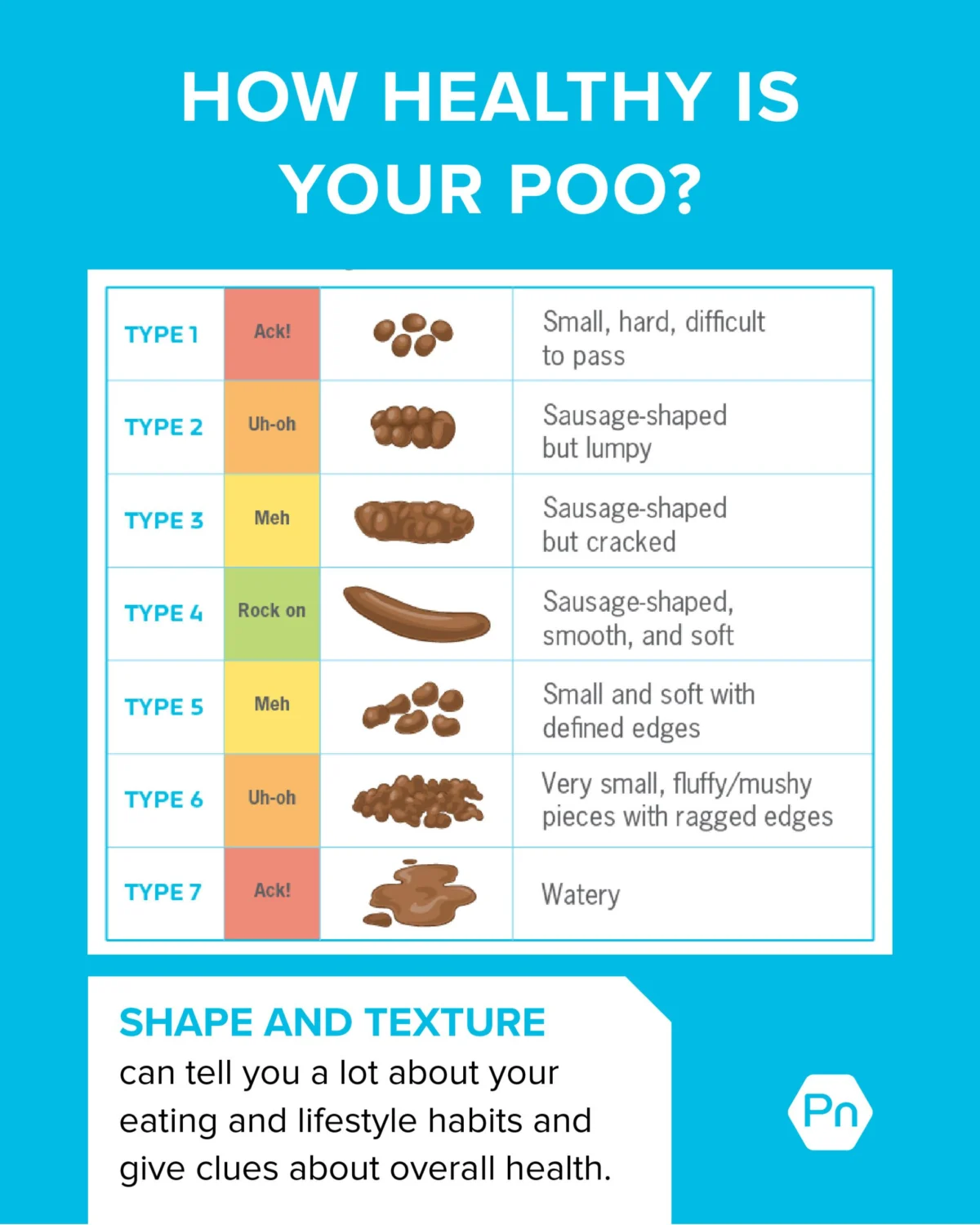
For millions of people worldwide, the simple act of eating—or the mere anticipation of a social outing—is fraught with apprehension. Irritable Bowel Syndrome (IBS) is not merely a digestive annoyance; it is a profound, life-altering condition that dictates the rhythm of daily existence. New research suggests that the burden of this disorder is so heavy that many sufferers would be willing to sacrifice over a decade of their life expectancy for an immediate and permanent cure.
This stark statistic highlights the psychological and physical toll of a condition often dismissed as "just stress" or "a sensitive stomach." In reality, IBS is a complex, chronic, and highly individual disorder that requires a nuanced, multi-disciplinary approach to management.
The Magnitude of the Crisis: Main Facts
IBS is the most commonly diagnosed digestive disorder globally, affecting an estimated 14 percent of the adult population. Unlike Inflammatory Bowel Disease (IBD), such as Crohn’s or ulcerative colitis, IBS does not physically damage the architecture of the gut. When clinicians perform endoscopies or imaging, they find no visible inflammation, ulcers, or structural abnormalities.
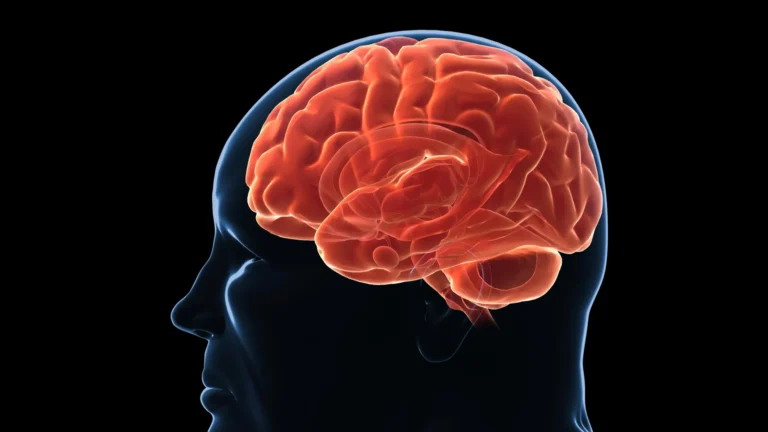
For decades, this "absence of evidence" led many in the medical community to classify IBS as a psychological issue. However, modern science has corrected this misconception. Experts now define IBS as a functional neuro-gastrointestinal disorder. This means the communication breakdown occurs at the neurological level—specifically, the "gut-brain axis." The nerves lining the GI tract communicate erratically with the brain, creating a feedback loop of hypersensitivity and dysregulated muscle contractions.
A Chronology of Understanding: From "Spastic Colon" to Neuro-GI Disorder
Historically, the condition was colloquially labeled "spastic colon," a term that minimized the systemic impact of the symptoms. Over the last twenty years, our understanding has undergone a sea change:
- 1990s–2000s: The medical establishment largely relied on symptom-based diagnosis (Rome Criteria), focusing on abdominal pain associated with defecation.
- 2010s: The rise of gut microbiome research linked the onset of IBS to post-infectious events (such as the Norovirus), shifting focus toward the intestinal environment.
- 2020s: Current research emphasizes the "gut-brain axis," recognizing that hyper-vigilant nerves and stress-response pathways are central to the patient experience.
Supporting Data: The High Cost of Living with IBS
The impact of IBS is quantifiable, and the data is startling. Research indicates that the severity of abdominal pain during flare-ups can rival the pain of childbirth, often resulting in lost work productivity, sleep disturbances, and a constant, low-level dread.

"Gastrointestinal-specific anxiety" is a documented phenomenon among sufferers. This anxiety creates a cycle where the fear of a flare-up leads to social isolation. Patients often map their entire lives around the proximity of private, clean restrooms, avoiding exercise, travel, and social dining. Consequently, studies have shown that people with IBS report a lower quality of life than those living with chronic conditions such as diabetes, heart disease, or even end-stage kidney disease.
Perhaps most telling is the willingness of patients to take extreme risks. Research has shown that some individuals would accept a one percent risk of sudden death if a proposed medication could guarantee a total cure for their symptoms—a testament to the desperation felt by those trapped in a cycle of diarrhea, persistent constipation, and chronic bloating.
Official Perspectives: Expert Insights
Sarah Maughan, a Precision Nutrition (PN) Super Coach certified by Monash University, has spent years bridging the gap between clinical theory and daily living. According to Maughan, the key to reclaiming one’s life lies in understanding that IBS is manageable through a combination of medical guidance and lifestyle intervention.
"My hope is for everyone with IBS to know they have options," says Maughan. "Whether that’s turning to a physician for medication or working with a health coach to implement lifestyle changes, you don’t have to navigate this alone."
Medical professionals emphasize that because IBS shares symptoms with celiac disease, colon cancer, and infections, a formal diagnosis is the essential first step. Patients should consult a doctor if they experience "red flag" symptoms such as unexplained weight loss, rectal bleeding, or nighttime diarrhea, which are not typical of standard IBS.
The Five Pillars of Symptom Management
While there is no "cure-all," research supports five evidence-based strategies to calm the gut and reduce the frequency of flare-ups:

1. Movement as Medicine
Regular, moderate exercise—such as walking three times a week—has been shown to significantly reduce bloating and pain. Exercise appears to regulate the gut-brain axis, potentially by shifting the gut microbiome toward more favorable bacteria and reducing the stress hormones that trigger spasms.
2. Nervous System Regulation
Stress does not have an "off" switch, but it can be managed. Because stress hormones like cortisol and norepinephrine stimulate the colon, techniques such as deep breathing, meditation, and yoga can help downregulate the nervous system, signaling the gut that it is "safe" to function normally.
3. The Art of Mindful Eating
Slowing the eating pace is one of the most underutilized tools in GI health. Increased chewing aids in the mechanical breakdown of food, allowing digestive enzymes to work more effectively. Furthermore, eating in a calm environment prevents the "fight or flight" response, which can otherwise trigger an immediate, painful digestive event.
4. Sleep Hygiene
IBS and sleep quality are locked in a vicious cycle. Poor sleep increases sensitivity to pain, while gut pain makes restorative sleep difficult. Establishing a relaxing pre-bedtime routine—such as journaling or gentle stretching—can break this cycle and improve the body’s recovery capacity.
5. Investigating Dietary Triggers
Diet is highly individual. While the Low-FODMAP diet (a regimen that limits fermentable carbohydrates) is a gold standard in medical nutrition therapy, it is not for everyone. An elimination diet, conducted under the supervision of a professional, can help individuals identify their specific "trigger foods" without resorting to unnecessary, restrictive, and long-term avoidance of healthy food groups.
Implications for Health Coaches: Staying in Scope
For health coaches, supporting an IBS client requires a delicate balance of empathy and professional boundaries. It is vital to remember the "do’s and don’ts" of the profession:

- Do: Help clients track symptoms and identify patterns between diet and lifestyle.
- Do: Encourage adherence to medical advice provided by a physician.
- Don’t: Diagnose a client with IBS or prescribe specific medical treatments.
- Don’t: Promote restrictive diets as a "cure."
Coaching in this space is about empowerment. It is about providing the tools for the client to run their own "life experiments" to see what works for their unique physiology.
Knowledge as the Ultimate Tool
The most important takeaway for anyone living with IBS is that knowledge is not just power; it is freedom. When a client understands that a certain food or stressor triggers their symptoms, they gain the ability to choose. They are no longer victims of a "random" condition; they are managers of their own health.
As Maughan notes, knowing that a certain food causes distress does not mean that food must be banished forever. It means the individual can choose to avoid it when they need to feel their best, or enjoy it in moderation when the stakes are lower.
The path to managing IBS is rarely linear, but with the right blend of medical support, lifestyle modifications, and a shift in mindset, it is possible to stop planning life around the bathroom and start living it with confidence. Through consistent, sustainable habits, the "invisible burden" of IBS can become a manageable, rather than all-consuming, aspect of life.