







Heart disease remains the world’s most formidable medical adversary, standing as the leading cause of mortality across the globe. Despite decades of pharmacological advancement, the battle against "bad" cholesterol—low-density lipoprotein (LDL)—remains fraught with difficulty. For millions of patients, current standards of care like statins and PCSK9 inhibitors are either insufficient to reach safe blood-lipid levels or carry side effects that render them difficult to tolerate.
However, a breakthrough study published in the journal Nature by researchers at the University of California San Diego (UCSD) School of Medicine has unveiled a previously unknown biological mechanism that explains how high-cholesterol diets systematically cripple the body’s natural waste-removal system. Even more compellingly, the team has identified an existing experimental drug that may be repurposed to bypass this hurdle, potentially offering a faster route to clinical application than the traditional multi-year drug development cycle.
The Mechanics of Cardiovascular Maintenance
To understand the magnitude of this discovery, one must first look at the liver’s sophisticated waste management infrastructure. The liver serves as the body’s primary clearinghouse for cholesterol, pulling LDL particles from the bloodstream to be broken down and recycled. This process is mediated by LDL receptors—specialized protein structures acting as "docking stations" on the surface of liver cells.
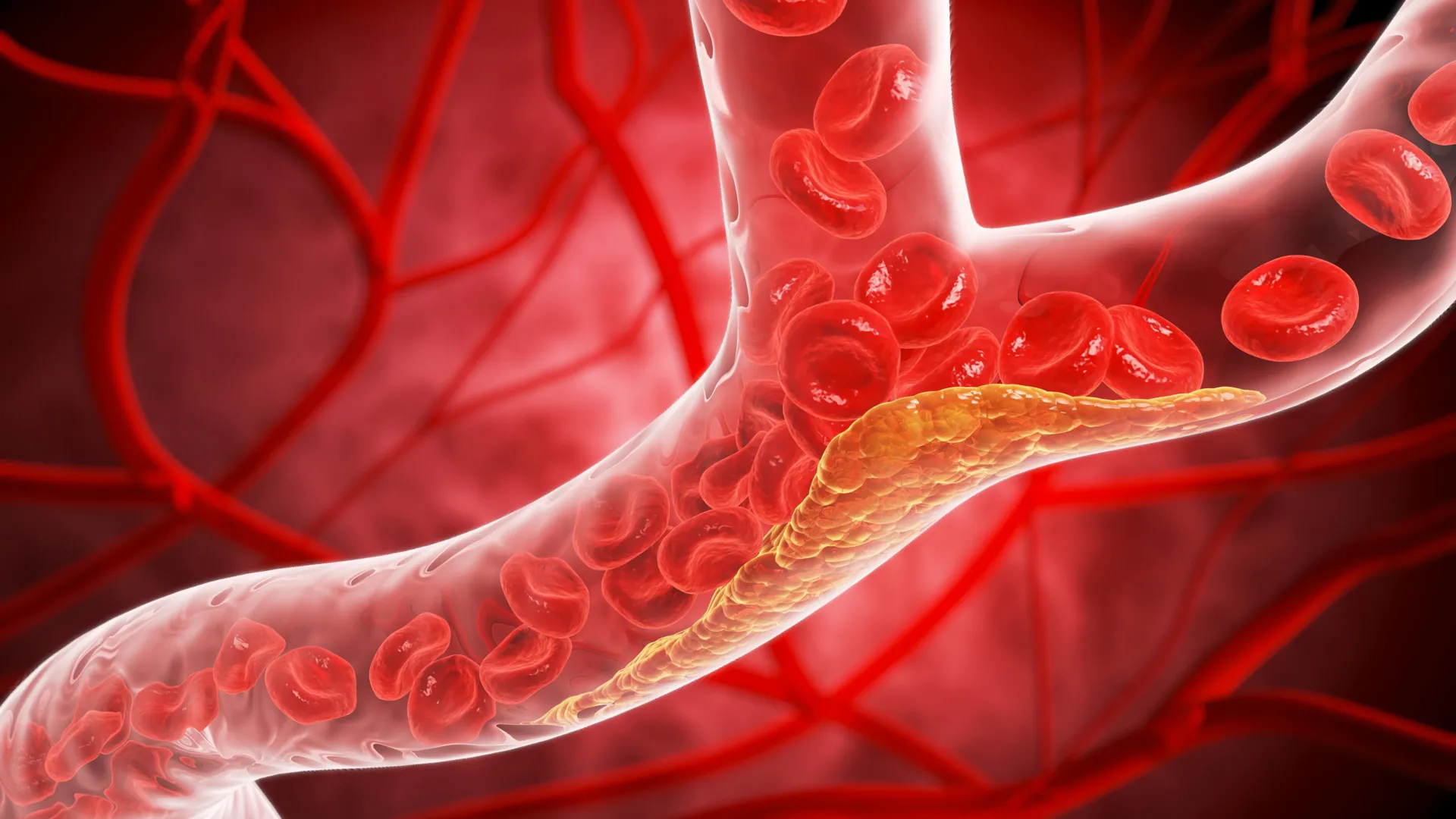
The efficiency of this system is directly proportional to the number of available docking stations. When the liver has a high density of these receptors, LDL is pulled from the blood efficiently. Conversely, when these receptors are sparse or malfunctioning, LDL accumulates in the arteries, forming the plaque that leads to atherosclerosis, heart attacks, and strokes. Current pharmaceutical therapies, such as statins, function largely by prompting the liver to produce more of these receptors. But until now, scientists have been puzzled as to why some patients’ livers fail to maintain an adequate receptor population, particularly in the context of a high-cholesterol diet.
Chronology of a Scientific Breakthrough
The path to this discovery began with a focused investigation into cellular metabolism. Senior author Dr. Alan Saltiel, a professor of medicine and director of the UC San Diego/UCLA Diabetes Research Center, had spent years studying a protein known as Ral, which is traditionally associated with fat cell activity.
The Discovery Phase
Researchers, working with both mouse models and human cellular cultures, observed a clear correlation: a diet high in cholesterol did not just saturate the body with fats; it triggered a specific, deleterious biological chain reaction. The intake of dietary cholesterol activated the Ral protein, which in turn initiated a process that actively depleted the liver’s supply of LDL receptors.
Identifying the Culprit
As the team traced the signaling pathway, they identified a second critical player: an enzyme called cathepsin A (CTSA). It was discovered that CTSA acts as a biological "scissor," driving the degradation of LDL receptors. By identifying this enzyme, the team found the specific mechanism responsible for the liver’s diminished capacity to clear cholesterol.
The Experimental Validation
The most striking evidence arrived when the researchers utilized a small molecule inhibitor to block the activity of CTSA. The results were near-instantaneous in experimental models: the LDL receptors stabilized, and the concentration of circulating LDL cholesterol in the bloodstream dropped significantly. This proved that the Ral-CTSA pathway is a viable target for medical intervention.
Supporting Data and Novel Mechanism
The significance of the UCSD findings lies in the independence of this pathway. Traditional treatments, such as statins, focus on the HMG-CoA reductase pathway. Because the Ral-CTSA mechanism operates entirely outside of these existing pathways, it represents a "white space" in cardiology.
Data from the study suggests that this mechanism explains the physiological "clogging" effect that occurs in patients with diets high in cholesterol. By preventing the degradation of receptors rather than simply attempting to force the liver to produce more, this approach could potentially work in synergy with current drugs or provide a standalone solution for patients who are currently considered "statin-resistant."
Official Responses and Expert Perspective
The research team, which includes a vast interdisciplinary group of scientists from UCSD, UC San Francisco, the University of Texas Health Science Center, and the University of Utah, has expressed cautious optimism regarding the transition from the laboratory to the bedside.
"We’ve known for a long time that a high-cholesterol diet reduces the liver’s ability to clear cholesterol from the blood, but we didn’t fully understand why," said Dr. Alan Saltiel. "This new discovery explains a critical piece of that puzzle."
Dr. Saltiel emphasized that the current treatment landscape leaves too many patients behind. "There’s still a real need for new cholesterol-lowering options, since some people can’t get to safe levels even with the drugs we have now. This new pathway we discovered is completely separate from anything that existing drugs target, so it gives us a new opportunity to fill that gap."
Implications for Future Drug Development
Perhaps the most exciting aspect of this study is the proximity of a potential treatment. In the pharmaceutical world, discovering a new target usually necessitates a decade of testing, from molecule identification to safety trials. However, the researchers discovered that a CTSA inhibitor already exists.
The "Shelf-Ready" Candidate
This experimental drug was originally designed as a candidate for treating heart failure. While that specific program was discontinued for strategic, rather than clinical, reasons, the drug had already successfully navigated Phase 1 clinical trials. This means that its safety profile in human subjects has already been established.
This existing data provides a massive shortcut. Rather than starting from scratch, the researchers are now positioned to advocate for Phase 2 clinical trials aimed specifically at cholesterol management. If successful, this could reduce the timeline for bringing a new cholesterol treatment to market by years, if not a decade.
A New Era of Personalized Cardiology
The implication for clinical practice is profound. If the drug proves effective, physicians could eventually offer a dual-therapy approach: utilizing statins to boost receptor production while using CTSA inhibitors to prevent the degradation of those same receptors. This would essentially be a "two-pronged" attack on cholesterol, potentially allowing for lower doses of medication and fewer side effects.
Conclusion and Future Directions
While the findings are in the early stages and the drug has yet to be tested specifically for its efficacy in lowering cholesterol in human patients, the scientific community is watching this development with keen interest. The study, funded in part by the National Institutes of Health and the American Diabetes Association, underscores the importance of basic biological research in solving systemic health issues.
"Luckily, there’s an experimental drug sitting on the shelf that’s already been shown to be safe in humans," Dr. Saltiel noted. "We hope to test whether this might be effective by conducting a clinical trial—which could potentially bring a new treatment option to patients much sooner than would have been expected."
As the researchers prepare for the next steps in their investigation, the discovery of the Ral-CTSA pathway stands as a testament to the power of molecular biology to redefine our understanding of chronic disease. For millions of people worldwide living under the shadow of heart disease, this "hidden" pathway may ultimately provide a new, clearer path to longevity.