








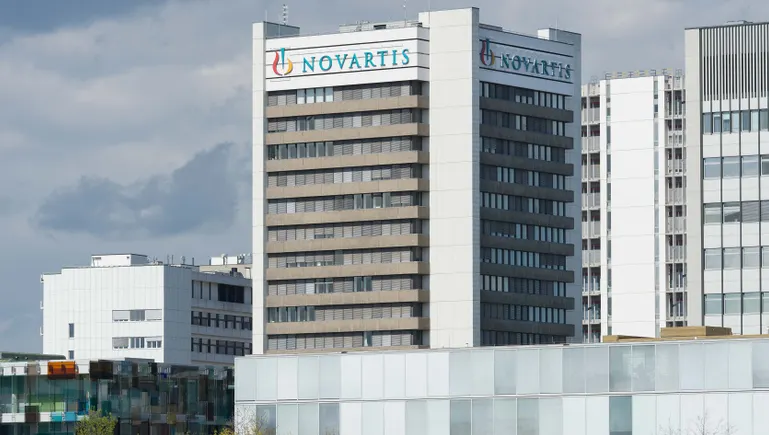
In a significant blow to its long-term growth strategy, Swiss pharmaceutical giant Novartis announced this week that its experimental therapy, del-desiran, failed to meet the primary endpoint in a pivotal Phase III clinical trial. The medicine, which was the centerpiece of a massive $12 billion acquisition of Avidity Biosciences, was intended to serve as a breakthrough treatment for myotonic dystrophy type 1 (DM1), a debilitating and complex neuromuscular disorder.
The failure of the "HARBOR" study has sent shockwaves through the biotech sector, triggering a double-digit slide in Novartis’ share price and casting a long, skeptical shadow over the company’s recent aggressive dealmaking. As analysts scramble to recalibrate their forecasts, the incident has reignited a broader debate regarding the efficacy of RNA-targeting technology and the rigorousness of the pharmaceutical industry’s multi-billion-dollar due diligence processes.
The Science of the Failure: Understanding DM1 and Del-Desiran
Myotonic dystrophy type 1 (DM1) is far more than a simple muscle-wasting condition. It is a multisystemic genetic disease caused by an expansion of repetitive DNA sequences, which leads to the toxic accumulation of RNA molecules. These "rogue" RNAs sequester critical proteins—specifically MBNL proteins—that are essential for regulating muscle relaxation, heart function, and organ health.
Patients suffering from DM1 experience a life-altering spectrum of symptoms, including myotonia (a condition where muscles remain locked and cannot relax), extreme fatigue, profound muscle wasting, cardiac irregularities, and gastrointestinal dysfunction.
Del-desiran was designed as a precision medicine to address the root cause of this toxicity. Utilizing an antibody-oligonucleotide conjugate (AOC) platform—the proprietary technology developed by Avidity—the drug was engineered to shuttle synthetic genetic material directly into muscle cells. Once inside, the drug was intended to act as a molecular scalpel, destroying the faulty messenger RNA responsible for the protein-trapping mechanism.
However, the HARBOR trial results proved disappointing. According to Novartis, the drug failed to show a statistically significant improvement over a placebo on the study’s primary endpoint: a test measuring a patient’s ability to relax their hand muscles. The inability to demonstrate clear clinical benefit in this specific metric has halted the immediate momentum for what was once considered a "blockbuster-in-waiting."
A Chronology of the Acquisition and Clinical Development
To understand the gravity of the current situation, one must look back at the rapid ascent and abrupt stalling of the Avidity program:
- Late 2023: Novartis solidifies its commitment to the neuromuscular space by agreeing to a massive $12 billion acquisition of Avidity Biosciences. The deal was framed as a transformational move to secure a pipeline of RNA-based therapeutics.
- Early 2024: Clinical trials for the portfolio, including the HARBOR study for del-desiran, proceed with high expectations. Industry analysts, including those at Jefferies, assign an 80% probability of success to the program, forecasting peak annual sales of $1.5 billion.
- Early November 2024: Novartis reports that the HARBOR trial has failed to hit its primary endpoint.
- Immediate Aftermath: Novartis shares drop by over 13%, erasing significant market value. The broader sector faces contagion as competitors like Dyne Therapeutics—which is pursuing a similar therapeutic approach—see their valuations plummet by 22% in a single trading session.
Supporting Data and Market Reaction
The market reaction has been swift and brutal. By late Tuesday morning, Novartis stock was trading at just under $139, reflecting deep-seated investor anxiety. The ripple effect was arguably more severe for smaller players like Dyne Therapeutics. Because Dyne’s own experimental pipeline relies on a similar mechanism and the same "hand relaxation" test used in the failed HARBOR trial, the market has interpreted the Novartis failure as a systemic risk for the entire class of RNA-targeting therapies.
Cantor Fitzgerald analyst Eric Schmidt noted that the "high degree of variability" inherent in hand-relaxation testing may have been the primary obstacle. "It is likely that the noise in the clinical data obscured any potential signal of efficacy," Schmidt noted. Consequently, Cantor Fitzgerald has slashed its probability-of-success forecast for Dyne’s competing program from 50% to 25%, reflecting the heightened regulatory and clinical risk now associated with the entire therapeutic modality.
Official Responses and the Path Forward
Novartis, for its part, is attempting to project a sense of controlled resilience. While acknowledging the failure, the company is not yet abandoning the program entirely.
"Developing therapies for a complex disease like DM1 remains challenging, and setbacks are part of scientific progress," said Shreeram Aradhye, Novartis’ chief medical officer, in a prepared statement. Aradhye emphasized that researchers observed "evidence of clinical activity" in secondary endpoints and exploratory analyses, suggesting that the drug may still hold value in certain subsets or through alternative clinical designs.
The company is currently in a period of intense data scrubbing. Novartis has confirmed it will engage with global health authorities to determine if there is an "appropriate development path" for del-desiran. However, the tone from management suggests a pivot—or at least a pause—as they analyze whether the clinical signals are strong enough to justify further expenditure.
Implications: The Crisis of Confidence
The failure of the HARBOR study is about more than just one drug; it has become a case study in the risks of pharmaceutical "megadeals."
The Question of Due Diligence
Jefferies analyst Michael Leuchten has been particularly vocal about the implications for Novartis’ corporate strategy. In a scathing note to clients, Leuchten suggested that the controversy surrounding the initial acquisition has now been validated. At the time of the deal, many analysts questioned why Novartis prioritized the Avidity platform over other available technologies for DM1.
"The problem goes beyond this failed trial," Leuchten wrote. "As at the time of acquisition, other assets with different data and different approaches were available." This failure will inevitably lead to increased scrutiny of Novartis’ internal business development team and their criteria for assessing high-stakes technology platforms.
A Pressure Cooker for Growth
The failure of del-desiran leaves a gaping hole in Novartis’ projected growth profile for the post-2030 period. Analysts had counted on this drug to provide a significant revenue stream. With that prospect now uncertain, the company is under immense pressure to demonstrate its ability to innovate internally.
Investors are now speculating that Novartis may be forced into further M&A activity to replace the lost revenue potential of the Avidity deal. However, this creates a paradoxical trap: after a high-profile failure, the company’s ability to conduct future acquisitions without intense shareholder resistance is significantly diminished.
The Future of RNA Therapies
Finally, the broader biotech industry is looking at the HARBOR results with a sense of trepidation. The "antibody-oligonucleotide conjugate" approach was touted as the next frontier in medicine. If the Novartis failure is indicative of a flaw in the platform rather than a localized clinical trial error, billions of dollars in R&D across the industry could be at risk.
For the families living with DM1, the news is a crushing disappointment. The disease remains an area of high unmet need with few viable treatments on the horizon. While Novartis maintains a commitment to "advancing innovative approaches for people living with DM1," the road ahead looks significantly longer and more difficult than it did just a week ago.
As the dust settles, Novartis faces a defining moment. Whether the company can rehabilitate its reputation for dealmaking or whether this failure marks the beginning of a prolonged period of strategic reassessment remains to be seen. One thing is certain: the era of unquestioned optimism regarding the current wave of RNA-based neuromuscular drugs has come to an abrupt and painful end.