











In a landscape defined by shifting geopolitical alliances, long-term public health reckonings, and infrastructure instability, Tuesday’s news cycle captured a series of critical developments that span from the streets of New York City to the halls of the British Parliament and the volatile corridors of the Middle East. As governments grapple with both the ghosts of the past and the immediate threats of the present, the following report synthesizes the primary headlines that shaped the day.
1. New York City: A Reckoning with 9/11 Air Quality
Transparency and the Health Toll
New York City officials have initiated a massive disclosure effort, releasing over 170,000 documents via a new online portal detailing government knowledge of air quality in the immediate aftermath of the September 11, 2001, terrorist attacks. These records suggest that municipal and federal authorities were cognizant of the significant health risks posed by the dust and debris at Ground Zero, despite public assurances at the time that the air was safe to breathe.
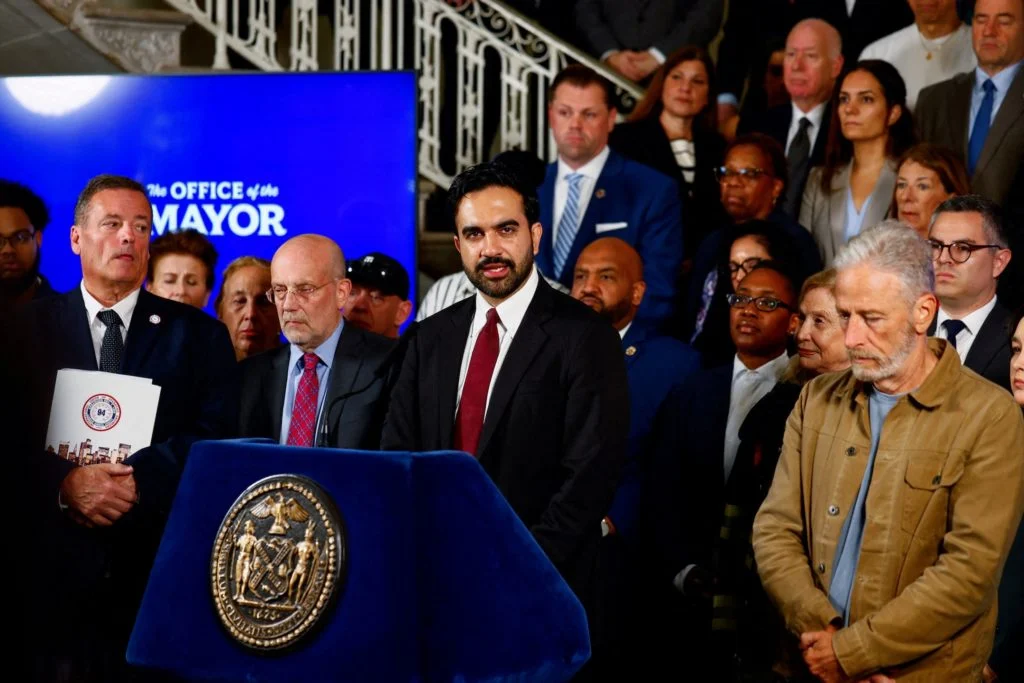
New York Mayor Zohran Mamdani, addressing the press during a somber conference, did not mince words regarding the implications of these documents. "People got sick because the leaders they trusted lied and told them they were safe to breathe in toxic air," Mamdani stated. The sentiment echoed a long-standing grievance among survivor groups and first responder unions who have spent two decades fighting for medical recognition and financial support.
Supporting Data: The Human Cost
The 9/11 Memorial and Museum reports that at least 49,000 first responders and survivors have been diagnosed with cancer linked to the toxins released during the collapse of the Twin Towers. These newly released documents are expected to provide the legal and historical scaffolding for further litigation, as families seek to hold institutions accountable for what they describe as a profound breach of public trust.
2. Miami-Dade: Tragedy at the Runway
The Amazon Cargo Plane Incident
A devastating accident occurred this past weekend when an Amazon-contracted cargo plane overran the runway at Miami International Airport. Miami-Dade authorities confirmed today that all five individuals killed in the incident were members of a ground cleaning crew who were inside a van parked near the flight line.
The victims, ranging in age from 47 to 75, were employees performing routine maintenance duties. Miami-Dade County Sheriff Rosie Cordero-Stutz expressed the profound shock of the local community, stating, "One leaves their house to go to work… without ever thinking that this is even a possibility. For those families, they are going to be living with this for the rest of their lives."
Current Status of Survivors
Beyond the five fatalities, five other people were injured during the incident. Officials have confirmed that the two pilots involved in the crash have been discharged from the hospital. However, the medical outlook remains precarious for others involved, with two individuals currently in critical condition and a third listed in stable condition. An investigation by the NTSB is ongoing to determine why the jet failed to stop, potentially pointing toward mechanical failure or human error during landing.
3. Infrastructure Fragility: U.K. Air Traffic Disruption
Technical Failure and Backlogs
The United Kingdom experienced a significant transportation bottleneck today as over 600 flights were canceled due to a critical technical failure within the National Air Traffic Services (NATS) flight processing system. The disruption, which paralyzed operations at Heathrow, Gatwick, and Stansted, left thousands of passengers stranded and prompted a chaotic day of logistics for global travelers.
While NATS has officially declared the system error resolved and is currently working through a massive backlog, the event has reignited debates regarding the resilience of critical national infrastructure. The government is expected to face scrutiny over the lack of redundancy in the system, as modern aviation remains heavily dependent on aging software architecture.
4. Geopolitics: The West Bank Trade Ban
British Foreign Policy Shift
In a move described by officials as a stand against the "unlawfulness of the occupation," the British government has announced a comprehensive ban on trade with Israeli settlements in the occupied West Bank. Foreign Secretary Ed Miliband articulated the government’s position in the House of Commons, citing "settler terrorists" and the systematic displacement of Palestinians as the catalysts for the policy.
The ban encompasses all imported goods and professional services, including construction and advertising sectors. While the direct economic impact is projected to be limited due to the relatively low volume of West Bank exports, the political fallout has been immediate and severe.
The Diplomatic Fallout
Israel responded with swift condemnation. Foreign Minister Gideon Sa’ar labeled the British government "hostile" and announced the closure of the British Consulate in East Jerusalem—a major diplomatic downgrade. Furthermore, Israel has banned the U.K. from participating in U.S.-led Gaza peace negotiations and prohibited a dozen British lawmakers from entering Israeli territory. This escalation signals a deepening rift between the current British Labor government and the Israeli administration.
5. Escalating Conflict: The Persian Gulf and Yemen
Naval Confrontations and Regional War
Tensions in the Middle East have reached a flashpoint. A U.S. official confirmed that American military forces conducted strikes against Iranian tankers near Kharg Island and in the Gulf of Oman today. These strikes were categorized as a direct response to recent Iranian provocations targeting U.S. warships in the region.
Simultaneously, the regional conflict has expanded into Saudi Arabia. Houthi rebels in Yemen launched a series of strikes against Saudi oil facilities, resulting in over 70 injuries, including women and children. Saudi officials have vowed a swift retaliation, marking a significant escalation in the ongoing proxy war between Saudi Arabia and Iranian-backed factions.
6. The Russia-Ukraine Theater
Diplomatic Maneuvering and Continued Violence
A phone call between Russian President Vladimir Putin and U.S. President-elect Donald Trump dominated headlines regarding the European conflict. According to the Kremlin, Putin offered reassurances that Moscow harbors no aggressive intent toward Europe, while Trump expressed an urgent desire for a "swift end" to the war in Ukraine and the normalization of U.S.-Russia relations.
This dialogue follows high-level visits by U.S. envoys Steve Witkoff and Jared Kushner to Kyiv and Moscow. Despite the diplomatic chatter, the reality on the ground remains grim. Russia’s air campaign resumed in earnest last night, with strikes in Kyiv and surrounding regions resulting in at least seven fatalities. The disparity between the rhetoric of "peace" in diplomatic channels and the continued kinetic warfare on the ground remains the defining characteristic of the current crisis.
7. Economic Indicators: Wall Street Stumbles
Post-Holiday Market Correction
Following a long holiday weekend, U.S. markets opened with a bearish sentiment. The Dow Jones Industrial Average shed more than 600 points, reflecting investor anxiety over the global instability noted above. The Nasdaq and the S&P 500 also finished the day in negative territory, as traders weighed the economic consequences of supply chain disruptions in the U.K. and the potential for a widened energy conflict in the Middle East.
Conclusion: A World in Flux
Tuesday’s events underscore a global reality characterized by "compounding crises." Whether it is the long-term medical fallout of the 9/11 attacks, the tragic fragility of workplace safety in Miami, or the high-stakes diplomatic maneuvering in the Middle East and Eastern Europe, the day served as a reminder that stability is rarely guaranteed. As authorities in London work to clear flight backlogs and diplomats in Jerusalem and London trade sanctions, the international community remains on high alert, waiting to see if today’s escalations will define the trajectory of the coming year.