



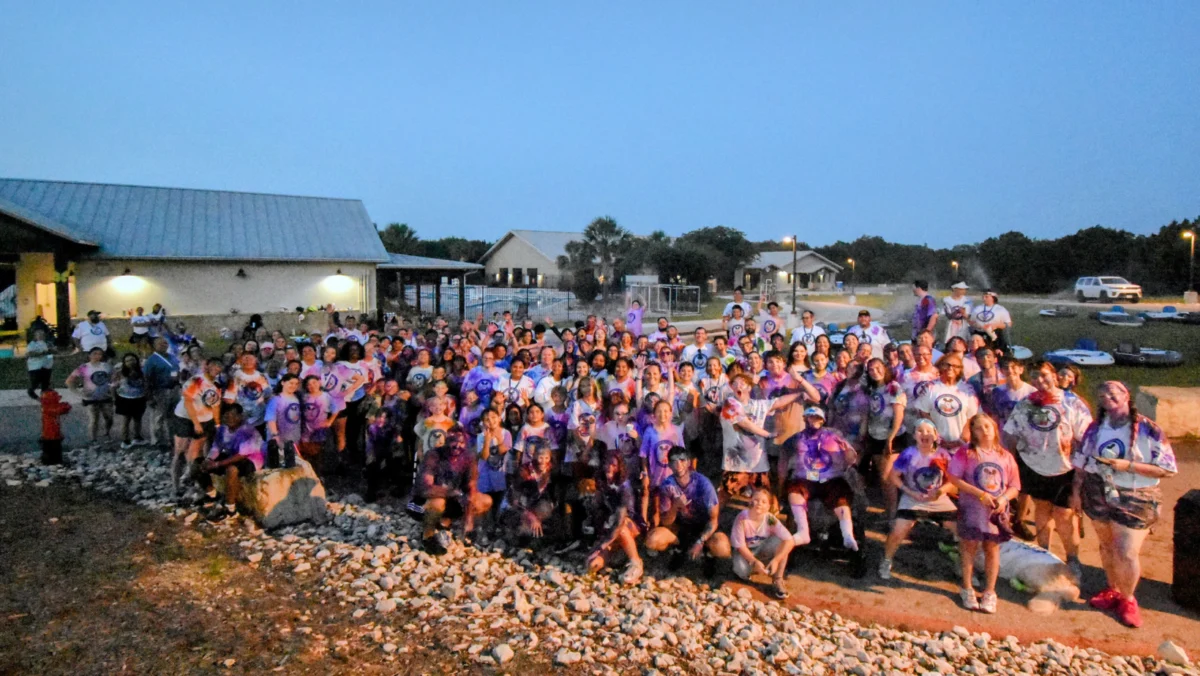
In the rolling landscapes of San Antonio, Texas, the fifth-annual Pediatric Pain Warrior Family Summer Camp recently concluded, marking a watershed moment for families navigating the complex, often isolating world of pediatric chronic pain. Held at the state-of-the-art, Ultra-Accessible™ Morgan’s Camp in late June, the five-day retreat served as more than just a getaway; it was a powerful statement of inclusion, resilience, and community.
This year, the U.S. Pain Foundation’s signature event saw record-breaking attendance, welcoming 61 families—totaling more than 250 individuals. Children and teens living with debilitating pain, along with their siblings, parents, and caregivers, converged for an immersive experience that challenged the traditional boundaries of what is possible for those living with chronic health conditions.
The Chronology of a Life-Changing Week
The week-long camp was meticulously structured to balance high-energy adventure with essential emotional support, ensuring that every participant—regardless of their physical limitations—could find a sense of belonging.
Days 1–2: Breaking the Ice and Breaking Barriers
The arrival process was intentionally designed to strip away the social anxieties that often plague children living with chronic pain. From the moment families pulled into the grounds of Morgan’s Camp, the atmosphere was one of immediate, unspoken solidarity. For many of the 61 families, this was their first time in an environment where the use of a wheelchair, a mobility aid, or the sudden need for a rest period was not an anomaly, but the norm.
The first two days focused on community building. Through collaborative icebreakers and peer-led support groups, participants began to peel back the layers of isolation they often experience in their daily lives at home or school.
Days 3–4: The Adventurous Spirit
The heart of the mid-week experience was a series of activities designed to prove that chronic pain does not have to be synonymous with inactivity. Campers pushed their limits on challenging ropes courses and scaled climbing walls. They experienced the exhilaration of zip-lining, navigated obstacle courses, and felt the wind on their faces during giant swing sessions.
For many, these were "firsts"—activities that their local schools or recreational facilities were simply not equipped to accommodate. Whether they were riding horses, engaging in water aerobics, or racing miniature cars, the campers were supported by an environment that prioritized accessibility at every turn. There was no need for explanations, no judgmental stares, and no pressure to "push through" pain to satisfy societal expectations.
Day 5: Connection and Reflection
The final day was defined by a mix of high-energy celebration and quiet introspection. The week concluded with a spirited "Color Wars" event, where the joy of being a child—complete with flying water and washable paint—took center stage. This served as a final, cathartic release before families returned to their respective corners of the country, now carrying the strength of a national network behind them.
Supporting Data: The Scope of the Crisis and the Solution
The necessity of such an event is underscored by the reality of pediatric pain in the United States. Chronic pain affects a significant percentage of the pediatric population, often leading to mental health struggles, social withdrawal, and family strain.
The Pediatric Pain Warrior Program, spearheaded by the U.S. Pain Foundation, recognizes that treating the physical symptoms of pain is only one half of the equation. The other half involves addressing the social and emotional "pain" of feeling misunderstood.
Data from the camp shows that the impact is measurable:
- Broad Inclusion: The 250+ attendees represented a diverse cross-section of the country, bringing together children with varying diagnoses—from migraine and headache diseases to complex regional pain syndromes and autoimmune conditions.
- Peer-Led Success: The integration of specialized support groups allowed for a 100% participation rate in mental health and coping workshops.
- Expert Integration: The inclusion of medical and social work professionals ensured that the support provided was not just anecdotal, but rooted in therapeutic best practices.
Official Perspectives: The Philosophy of "No Explanations Needed"
Casey Cashman, director of the Pediatric Pain Warrior Program, emphasizes that the true magic of the camp lies in the absence of stigma.
"What makes this camp so unique, and so life-changing, is that you don’t have to explain or apologize for your pain," Cashman said during the closing ceremonies. "No one looks at you funny when you need to use your wheelchair or sit out for a bit. Everyone is in the same boat—and that gives these families what is often their first opportunity to take a breath and know that they are truly understood and accepted."
The professional guidance provided during the camp was equally critical. Parents were able to engage in sessions regarding the administrative and emotional burdens of caregiving. Windy Rodriguez, a parent and patient services specialist, provided actionable advice on navigating the often-opaque world of insurance denials—a major stressor for families of children with chronic illnesses.
Furthermore, medical expertise was brought to the forefront through sessions like those led by Dr. Asha Patel Shah of Kenvue, who bridged the gap between dermatology and pain management, and licensed clinical social worker Meredith de Saint-Albin, who provided a safe space for parents to process the trauma and mental health toll of raising a child with chronic pain.
Education as Empowerment: Beyond the Ropes Course
The camp is not purely recreational; it is a hub of education. Each evening, the curriculum shifts to address the holistic needs of the campers.
The Art of Healing
Artist and camp parent Derek McCarty led workshops on the therapeutic benefits of creative expression. By translating their internal struggles into tangible art, children and teens found a medium to communicate their pain in ways that words often fail to capture. The creation of "Pediatric Pete" penguins—personalized, stuffed companions for the children—added a layer of comfort and continuity, providing the kids with a physical token of their support system to carry home.
Awareness and Advocacy
A poignant highlight of this year’s camp was the "Flags for Headache" installation. In honor of Headache Awareness Month, families planted hundreds of purple flags across the camp grounds. This display, supported by partners like the Alliance for Headache Disorders Advocacy and the Danielle Byron Henry Migraine Foundation, was a visual representation of the prevalence of migraine and headache diseases. It served as a reminder that the campers are part of a much larger, global movement for better care and societal recognition.
Implications: Building a Resilient Future
The implications of the Pediatric Pain Warrior Family Summer Camp extend far beyond the five days spent in San Antonio. By fostering these connections, the U.S. Pain Foundation is creating a sustainable infrastructure of support that operates year-round.
Breaking the Cycle of Isolation
For many children, the transition back to school or their local community after camp is the most difficult phase. However, by building a "nationwide family," the foundation ensures that these children remain connected via digital forums, virtual support groups, and annual reunions. The knowledge that they have a peer group that understands their daily challenges acts as a buffer against the depression and anxiety that frequently accompany chronic illness.
A Model for Future Programs
The success of the partnership with Morgan’s Camp provides a blueprint for other organizations. It demonstrates that when facilities are designed with "Ultra-Accessibility" in mind, the barrier to entry for children with disabilities is removed. The camp proves that accessibility is not just about ramps and wide doorways; it is about creating an environment where a child’s medical needs are the baseline expectation rather than an inconvenience.
The Life-Saving Potential
Perhaps the most powerful takeaway is the potential for long-term health outcomes. By alleviating the emotional weight of stigma, the camp allows families to focus on proactive management of their conditions.
"I truly believe this camp has saved lives," Cashman concluded. "It has certainly changed hundreds of lives. We are grateful to the families who take a chance and step out of their comfort zones to join us each year. They are what make camp truly special and transformative."
As the fifth-annual camp comes to a close, the U.S. Pain Foundation is already looking toward the future. With the backing of dedicated donors and volunteers, the organization intends to expand its reach, ensuring that as more families face the daunting reality of a pediatric pain diagnosis, they never have to walk that path alone. The camp stands as a beacon of hope, proving that even when the body is in pain, the spirit can soar.