










In the modern urban landscape, the sun setting no longer marks the end of illumination. From the glow of LED streetlamps and high-intensity neon signage to the pervasive blue light emitted by personal electronic devices, the 21st-century human is bathed in artificial light long after natural darkness should have taken hold. While society has long viewed this "nighttime light pollution" as a mere inconvenience or a disruption to stargazing, emerging medical research suggests the consequences are far more profound—and potentially deadly.
A groundbreaking preliminary study, set to be presented at the American Heart Association’s (AHA) Scientific Sessions 2025 in New Orleans, has unveiled a compelling biological link between nighttime light exposure and an elevated risk of cardiovascular disease. By synthesizing satellite imagery with sophisticated brain imaging, researchers have mapped a potential pathway through which our modern, illuminated environments may be triggering inflammatory processes that threaten heart health.
The Biological Pathway: Brain Stress and Arterial Inflammation
The study, led by Dr. Shady Abohashem, head of cardiac PET/CT imaging trials at Massachusetts General Hospital and an instructor at Harvard Medical School, represents a significant leap forward in understanding environmental health determinants. For years, scientists have understood that stressors such as air and noise pollution contribute to cardiovascular disease. Until now, however, the role of light pollution remained largely speculative.
"We know that environmental factors can lead to heart disease by affecting our nerves and blood vessels through stress," Dr. Abohashem explains. "Light pollution is very common; however, we don’t know much about how it affects the heart."
The researchers utilized a unique methodology involving 450 adult participants who were free of heart disease and active cancer. Using combined Positron Emission Tomography/Computed Tomography (PET/CT) scans, the team was able to capture a dual-view of the body’s internal state: the CT component provided a high-resolution map of arterial anatomy, while the PET scan measured metabolic activity in specific tissues.
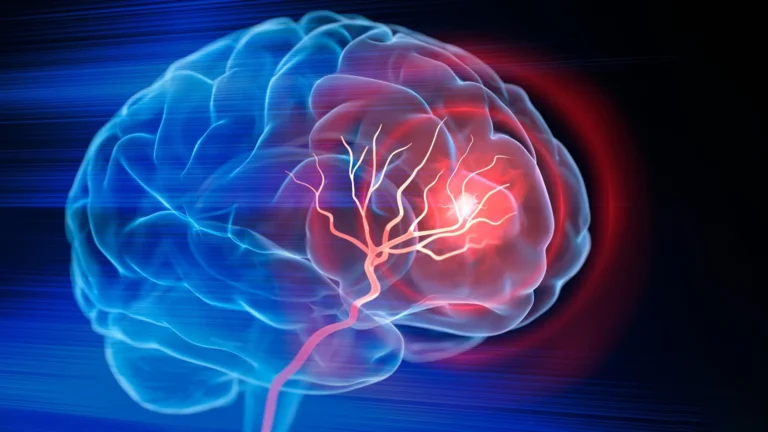
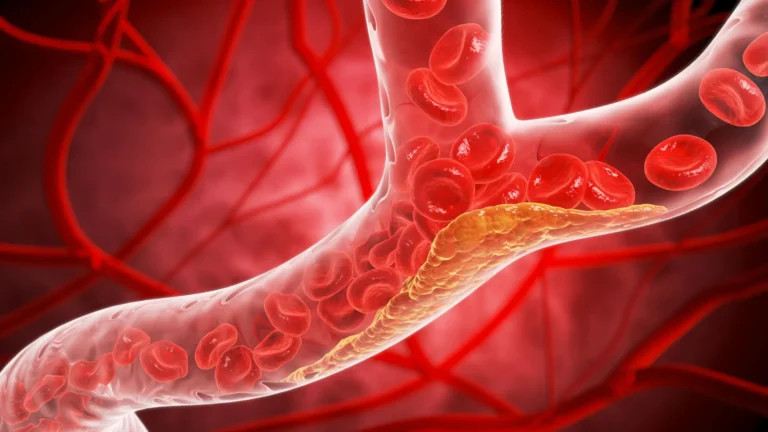
The findings revealed a concerning "linear relationship" between nighttime light exposure and cardiovascular markers. As exposure to nighttime light increased, researchers observed a corresponding rise in brain stress signals and inflammation within the blood vessels. According to Dr. Abohashem, this happens because the brain perceives excessive nocturnal light as a stressor, activating the body’s "fight-or-flight" response. This, in turn, triggers an immune response that inflames the lining of the arteries. Over time, this chronic inflammation leads to the hardening of the arteries—a precursor to heart attacks and strokes.
Chronology of Scientific Discovery
The intersection of circadian health and cardiology has become a focal point of intense research over the last decade. This latest study builds upon a growing body of evidence regarding how light impacts human biology:
- Pre-2020s: Early studies focused primarily on the suppression of melatonin—the hormone responsible for sleep regulation—due to blue light exposure. Scientists established that melatonin suppression could disrupt the sleep-wake cycle, leading to metabolic issues.
- October 28, 2024: The American Heart Association released a formal scientific statement on the "Role of Circadian Health in Cardiometabolic Health and Disease Risk." This statement officially recognized light pollution as a major factor in disrupting body clocks, confirming that even low levels of light at night are associated with cardiovascular risk.
- November 7–10, 2025: The upcoming AHA Scientific Sessions in New Orleans serves as the platform for the presentation of Dr. Abohashem’s current research, marking the first time a study has directly combined satellite light data with human PET/CT imaging to illustrate the physiological impact of light pollution on the heart.
Supporting Data: The Quantitative Connection
The strength of the research lies in its multi-modal approach. By correlating satellite-derived light intensity maps with the clinical data of 450 individuals, the study provides a bridge between urban geography and personal pathology.
The data suggests that the "dose" of light matters. Even modest increases in light exposure were found to correlate with higher levels of arterial stress. Because the study utilized PET/CT scans—a routine diagnostic tool at Massachusetts General Hospital—the researchers were able to capture precise snapshots of metabolic activity, providing objective evidence that the body is working harder under light-polluted conditions than in dark environments.
However, the researchers are quick to urge caution in interpreting these preliminary results. The study is observational, meaning it identifies an association rather than a direct, definitive cause-and-effect relationship. Furthermore, because the participants were drawn from a single hospital system, the findings may not be representative of the entire global population. As Dr. Abohashem notes, "We want to expand this work in larger, more diverse populations to solidify these findings."
Expert Perspectives and Official Guidance
The scientific community has reacted with significant interest to these findings. Dr. Julio Fernandez-Mendoza, a professor of psychiatry, neuroscience, and public health sciences at Pennsylvania State University and a member of the AHA’s writing committee on sleep health, highlights the significance of the "brain-heart axis."
"We know too much exposure to artificial light at night can harm your health, but we did not know how this harm happened," Dr. Fernandez-Mendoza explains. "This study has investigated one of several possible causes, which is how our brains respond to stress. This response seems to play a big role in linking artificial light at night to heart disease."
Dr. Fernandez-Mendoza emphasizes that the AHA’s new focus on circadian health reflects a paradigm shift in how cardiologists view "risk factors." For years, the medical community focused on blood pressure, cholesterol, and smoking. Now, environmental factors—including how we manage the light in our bedrooms—are being moved to the forefront of preventative medicine.
Implications for Public Health and Urban Policy
The implications of this research extend far beyond the clinical setting, challenging both individual habits and urban infrastructure design.
Recommendations for Individuals
- Bedroom Hygiene: Create a dark-sleep environment by using blackout curtains or high-quality eye masks.
- Digital Curfew: Avoid the use of TVs, smartphones, and tablets at least an hour before bed. These devices emit blue-spectrum light that is particularly disruptive to the circadian rhythm.
- Strategic Lighting: If nightlights are necessary for safety, opt for low-intensity, warm-toned bulbs (red or amber) rather than bright white or blue LEDs.
Recommendations for Urban Planning
- Smart Infrastructure: Cities are being encouraged to explore the use of motion-sensitive street lighting, which reduces ambient light levels when streets are empty.
- Shielding: Implementing better shielding on outdoor lights can direct illumination toward the ground where it is needed, rather than allowing light to spill into residential windows.
- Policy Shifts: Policymakers may need to consider "light pollution" as a public health metric, similar to how air quality is monitored and regulated in major metropolitan areas.
Conclusion: A New Frontier in Heart Health
The research to be presented at the AHA Scientific Sessions 2025 provides a compelling case for reevaluating our relationship with light. While the study is preliminary and awaits peer-reviewed publication in a full journal, it serves as a wake-up call for a society that has spent decades ignoring the biological cost of constant illumination.
"This research indicates that light pollution is more than just an annoyance; it could also increase the risk of heart disease," says Dr. Abohashem. As we move forward, the hope is that by controlling our light environment—both at home and at the city-wide level—we can mitigate a silent, invisible stressor and improve cardiovascular longevity for millions.
Note: The study featured in this article is a research abstract. Abstracts presented at American Heart Association’s scientific meetings are not peer-reviewed, and the findings are considered preliminary until published as full manuscripts in a peer-reviewed scientific journal.