








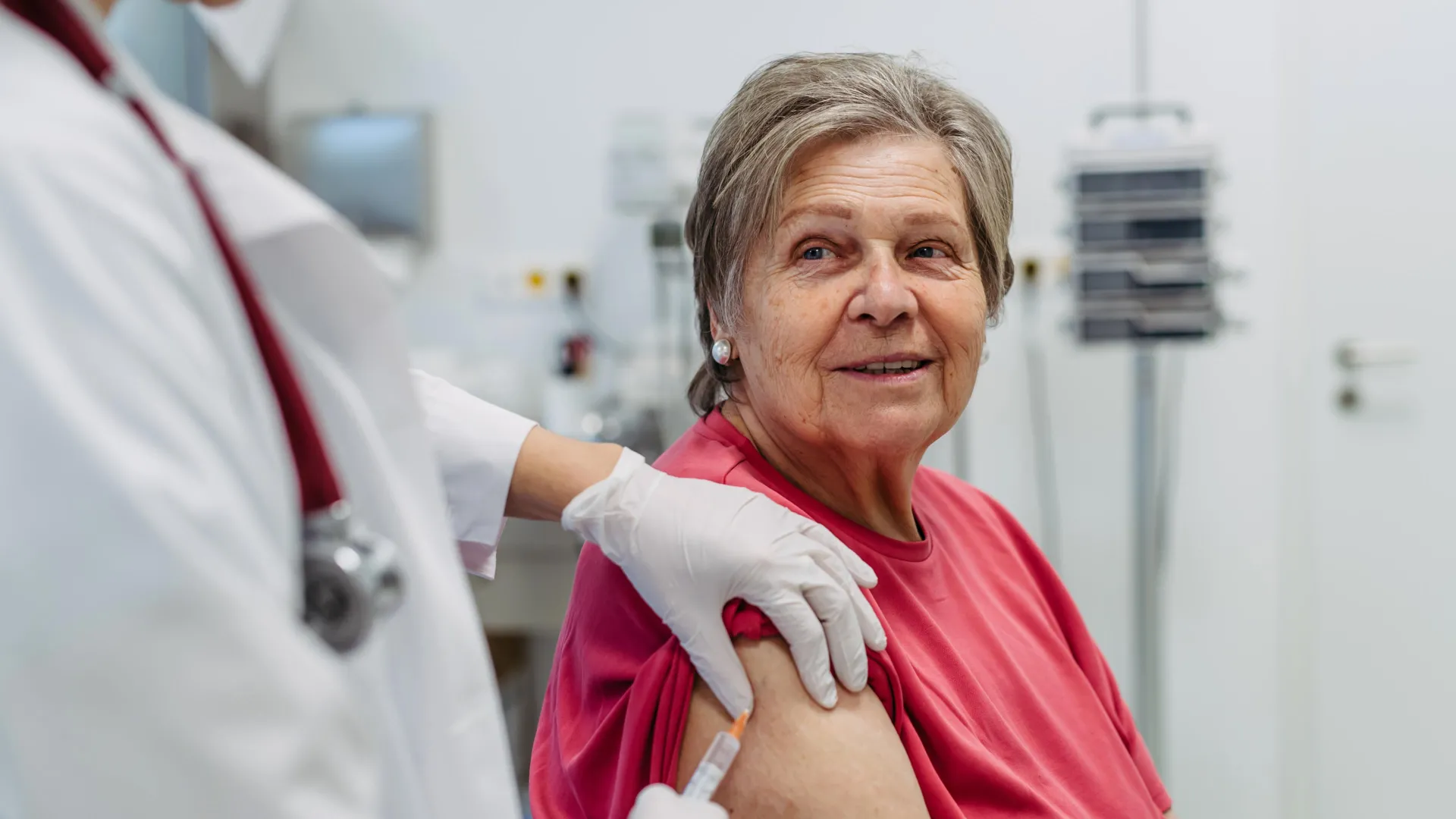
In a compelling development for geriatric medicine, a large-scale study has uncovered a potential "neuroprotective" benefit associated with the recombinant shingles vaccine, Shingrix. According to findings published in the Annals of Internal Medicine, older adults who received at least one dose of the vaccine after entering a skilled nursing facility were 24% less likely to be diagnosed with dementia over a four-year period than their unvaccinated peers.
The study, which leveraged data from over half a million Medicare beneficiaries, adds a significant piece to an emerging puzzle regarding the intersection of infectious disease prevention and cognitive health. While researchers emphasize that the study establishes an association rather than direct causation, the findings suggest that the vaccine—already a cornerstone of preventative health for seniors—may offer broader neurological benefits than previously understood.
The Core Findings: A Significant Reduction in Risk
The research, led by faculty at Brown University’s School of Public Health, focused on a particularly vulnerable demographic: individuals aged 66 and older residing in skilled nursing facilities. By tracking 509,926 individuals across the United States between 2017 and 2022, the team identified a clear disparity in cognitive outcomes between those who were vaccinated and those who were not.
The data indicated that after four years of follow-up, 18.8% of vaccinated participants received a dementia diagnosis, compared to 24.6% of the unvaccinated group. Dr. Kaley Hayes, the study’s lead author and an assistant professor at Brown, noted that this difference is clinically significant. "This translates to about one in 17 dementia cases potentially being prevented," Hayes stated, highlighting the public health potential of widespread vaccination in institutional settings.
Chronology and Methodology: Recreating the Clinical Trial
To arrive at these conclusions, the researchers employed a rigorous methodology known as "target trial emulation." Because conducting a randomized, double-blind clinical trial—the "gold standard" of research—is often impractical or unethical in vulnerable, institutionalized populations, target trial emulation allows scientists to mimic the structure of such a trial using existing observational data.
The Timeline of the Study
- 2017: The recombinant shingles vaccine, Shingrix (RZV), enters the U.S. market, replacing older formulations.
- 2017–2022: The research window. Investigators monitored Medicare claims and electronic health records from over 5,500 skilled nursing facilities nationwide.
- Data Aggregation: The team filtered for patients who were eligible for the vaccine and had no prior history of dementia, ensuring a "clean" starting point for tracking cognitive decline.
- The Analysis: Of the nearly 510,000 subjects, only 8,843 received the vaccine. Researchers utilized statistical adjustments to control for variables like age, baseline health, and facility quality.
- 2024: Publication of findings in the Annals of Internal Medicine, confirming that the reduced risk of dementia held steady even after accounting for differences between the vaccinated and unvaccinated cohorts.
Supporting Data: Why Shingrix?
Shingrix is currently the only shingles vaccine available on the market, having largely supplanted earlier versions that utilized different delivery technologies. Previous research has periodically suggested a link between shingles immunization and reduced cognitive decline, but most of those studies focused on the older, less effective vaccine.
"A lot of previous studies with similar results focused on an older vaccine," said Dr. Hayes. "This study looks at the newest vaccine only in an older, vulnerable adult population who were not up to date with shingles vaccination and are at a very clear clinical point in care: entering a skilled nursing facility."
The study is notable not just for its size, but for its focus on individuals at a transition point in their care. The researchers argued that the skilled nursing facility setting provides a unique opportunity for clinical intervention, as these patients are often under closer medical supervision than those living independently.
Key Statistical Highlights:
- Total Participants: 509,926 older adults.
- Dementia Incidence (Vaccinated): 18.8%.
- Dementia Incidence (Unvaccinated): 24.6%.
- Relative Risk Reduction: 24%.
- Duration of Follow-up: 48 months.
Official Responses and Scientific Context
The scientific community has received the study with cautious optimism. Dr. Hayes, who serves as the associate director of pharmacoepidemiology for Brown’s Center for Gerontology and Healthcare Research, characterized the study as part of a "large puzzle that’s just starting to come together."
The research team, which included experts from the University of Delaware and the Providence Veterans Affairs Medical Center, acknowledges the limitations of their work. A primary concern is "healthy user bias." It is possible that the individuals who chose to get vaccinated were, on average, more health-conscious or had better access to medical care than those who did not. While the researchers adjusted their models to account for age and health disparities, they admit that these adjustments cannot perfectly mirror the randomization found in a clinical trial.
Addressing Funding and Conflicts of Interest
Transparency was a core component of the report. The authors disclosed that the study received funding from GlaxoSmithKline (GSK), the manufacturer of Shingrix. However, the researchers emphasized that GSK held no influence over the study’s design, the statistical analysis, or the final decision to submit the findings for peer review and publication. This independence is crucial for maintaining the credibility of findings that suggest a positive benefit for a commercial product.
Implications: The Connection Between Physical and Cognitive Health
The implications of this study are profound, suggesting that the benefits of vaccination may extend far beyond the prevention of shingles-related pain and complications. If the link between Shingrix and reduced dementia risk is confirmed through future randomized trials, it could shift the way physicians approach preventative care for the elderly.
1. Neuroprotection as a Preventative Goal
Historically, vaccines have been viewed through the lens of preventing specific infectious diseases. This study suggests a shift toward viewing vaccines as agents of "neuroprotection." By reducing the systemic inflammation associated with viral reactivation or by modulating the immune system’s response to pathogens, the vaccine may indirectly preserve cognitive function.
2. A Call for Expanded Vaccination Programs
The study highlights that only a small fraction (8,843 out of 509,926) of the eligible nursing home population received the vaccine. This suggests a significant gap in preventative care for a high-risk group. The findings provide a strong argument for health policies that prioritize vaccination within long-term care facilities, not just as a means to prevent shingles, but as a potential strategy to maintain cognitive longevity.
3. The "Whole-Body" Approach to Aging
As Dr. Hayes noted, "Our cognition is so tied to our overall health and what happens to us physically." The study supports the growing scientific consensus that chronic inflammation and persistent viral activity are not isolated physical ailments; they are systemic issues that impact the brain. Addressing the physical health of an older adult—through vaccines, nutrition, and proactive care—is increasingly being recognized as the most effective way to protect their mental health.
Looking Ahead: The Need for Clinical Trials
While the current study provides a robust observational foundation, the researchers are the first to state that it cannot prove cause and effect. "Additional research, including clinical trials, will be needed to establish whether shingles vaccination directly reduces the risk of developing dementia," the authors noted in their concluding remarks.
Future studies will likely focus on the biological mechanisms that could explain this phenomenon. Scientists are investigating whether the immune response generated by the Shingrix vaccine interacts with pathways involved in neurodegeneration, such as the accumulation of amyloid plaques or tau proteins.
For now, the study stands as a significant contribution to geriatric health, offering a glimmer of hope that a widely available and accessible preventive measure might hold the key to staving off one of the most challenging conditions of the aging process. For millions of older adults and their families, this research offers a compelling reason to ensure that shingles vaccination remains a top priority in the healthcare plan.