








For decades, the field of gerontology has operated under a pervasive assumption: aging is an inexorable process of biological decay, characterized by a slow, systematic decline of the immune system known as immunosenescence. However, a groundbreaking study published in the journal Cell Reports is challenging this paradigm, suggesting that for the world’s oldest individuals—those who reach the age of 110 or older—the immune system does not simply fade away. Instead, it evolves.
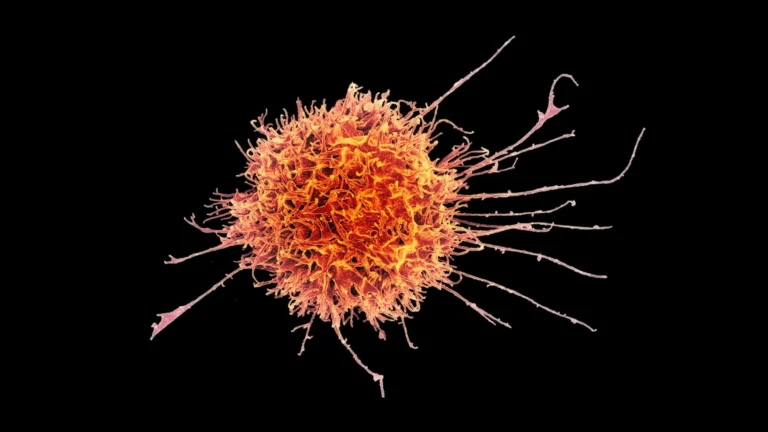
Researchers at the University of Osaka have identified a specialized population of immune cells, known as CD4 cytotoxic T lymphocytes (CD4 CTLs), that appear to act as a formidable, adaptive defense mechanism in the bodies of supercentenarians. Far from becoming sluggish, the immune systems of these individuals appear to be mounting a highly specialized, persistent response to the mounting challenges of extreme longevity.
The Main Facts: An Immune System in Constant Flux
At the heart of this discovery is the observation that supercentenarians carry unusually high levels of CD4 CTLs. Typically, these cells are rare in the general population, but their presence becomes increasingly prominent as humans push past the centenarian threshold.
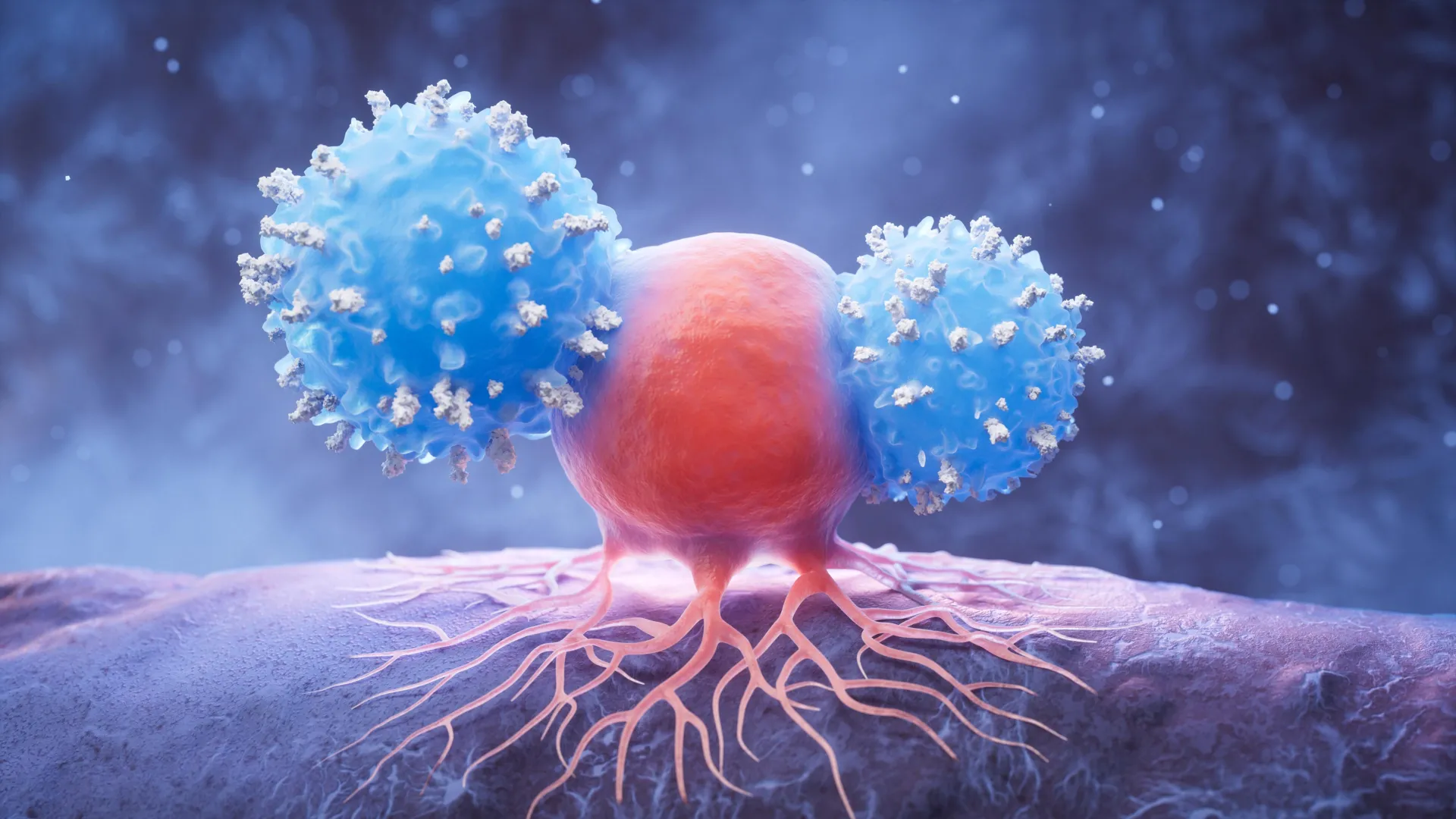
CD4 CTLs are not your average immune cells. While standard CD4 T cells—often called "helper" T cells—are primarily responsible for coordinating the immune response, CD4 CTLs possess the lethal capacity to hunt and eliminate threats directly. Historically, these cells have been recognized for their ability to destroy tumor cells, acting as a crucial line of defense against malignancy. The new research indicates that in the world’s oldest people, these cells are not merely present; they are actively expanding, diversifying, and adapting to the unique stressors of a century-plus of life.
Chronology: Unraveling the Mystery of the Oldest Old
To understand how the immune system behaves in the deepest stages of human life, the research team, led by first author Kosuke Hashimoto, conducted a comparative analysis of 28 adults, segmented into three distinct age brackets: the "younger" elderly (70–99), centenarians (100–109), and the elusive supercentenarians (110+).
The data revealed a striking, linear progression. Among the 70–99 age group, CD4 CTLs accounted for roughly 4% of the total T cell population. As the subjects entered the 100–109 age group, that figure jumped to 9.6%. By the time the researchers analyzed the supercentenarians, the proportion had soared to 17.6%.
This trajectory suggests that the immune system’s adaptation—the massive production and recruitment of these killer cells—is a process that hits its stride around the age of 100. Interestingly, the researchers noted that this pattern is not an exclusive club; one participant under the age of 100 exhibited the highest proportion of CD4 CTLs in the entire study, hinting that the "super-aging" immune profile may be a biological state that can be reached through specific, yet-to-be-understood pathways.
Supporting Data: The Power of Clonal Expansion
Perhaps the most compelling evidence of a "vigilant" immune system lies in the genetic architecture of these cells. By analyzing T cell receptors (TCRs), the researchers discovered that these high levels of CD4 CTLs were the result of "clonal expansion."
In simple terms, when the immune system detects a specific threat, it identifies the T cells capable of neutralizing it and triggers them to clone themselves rapidly. In the study, the researchers observed massive clones—in one instance, a single clone accounted for 53.8% of all CD4 CTLs in a centenarian.
This indicates that these cells are not just randomly proliferating; they are responding to specific, persistent signals. When the team compared the receptor sequences of these dominant clones against public databases, they found dozens of matches associated with cancer-related signatures, including lung, breast, and liver cancers. Crucially, none of the participants had been diagnosed with these cancers, leading the researchers to hypothesize that the CD4 CTLs are likely identifying and neutralizing early-stage, abnormal, or cancerous cells long before they can develop into clinical disease.
Official Responses: Shifting the Scientific Perspective
The implications of this study are profound, effectively shifting the narrative of aging from "decline" to "adaptation."
"Immune aging is not simply a process of decline," says Kosuke Hashimoto, an associate professor at the University of Osaka. "The selective expansion of certain T cells suggests that, even in extreme old age, the immune system may continue to adapt to age-related challenges."
Hashimoto’s team emphasizes that while these cells are "atypical and relatively rare" in the general population, their marked increase in supercentenarians provides a roadmap for understanding the biological underpinnings of extreme longevity. The researchers posit that the immune system is essentially "learning" throughout a century of life, honing its ability to scan for the cellular debris and mutations that accumulate as a natural byproduct of aging.
Implications: The Future of Healthy Aging
While these findings are undeniably exciting, the research team remains cautious. The study established a correlation, not a definitive cause-and-effect relationship. It remains unclear whether high levels of CD4 CTLs are the reason these individuals live so long, or if they are simply a secondary symptom of their exceptional health. Furthermore, because the study focused exclusively on blood samples, the researchers do not yet know how these cells function within solid human tissues, where the primary work of immune surveillance often occurs.
Bridging the Gap Between Research and Application
The next frontier for Hashimoto and his colleagues is to move beyond the blood and into the tissues. If they can confirm that CD4 CTLs are actively clearing senescent (aging) and precancerous cells in the liver, lungs, or other organs, it could open a new chapter in regenerative medicine.
If researchers can eventually harness this mechanism, it might be possible to develop immunotherapies that "boost" the adaptive capacity of the immune system in younger populations. By mimicking the "supercentenarian profile," medicine could potentially help the aging population better manage the rising prevalence of cellular abnormalities that typically occur after age 70.
The Holistic View of Longevity
This research aligns with a growing body of evidence that suggests extreme longevity is not just the result of "good genes" that prevent damage, but also the result of highly efficient biological systems that repair or clear damage as it occurs. The ability of the immune system to maintain a high-alert status for over a century is, in itself, a feat of biological engineering that warrants further, deep-dive investigation.
The study also underscores the importance of the Japan Society for the Promotion of Science and the various other institutions that funded this work, as their support for such granular, long-term observational research has provided a vital piece of the puzzle in the study of human health spans.
Conclusion
The story of the CD4 CTL is the story of a system that refuses to retire. As humanity continues to search for the "fountain of youth," it is becoming increasingly clear that the answer may not be found in reversing time, but in optimizing the body’s inherent, lifelong ability to adapt. For the supercentenarians of the world, the immune system is not a waning force; it is a battle-hardened sentinel, vigilantly standing guard against the encroaching threats of age.
As the scientific community turns its gaze toward the tissue-level behaviors of these cells, we may soon discover that the secret to living well beyond a century lies within the very cells we once thought were simply aging out of existence. The immune system, it seems, is far more resilient—and more intelligent—than we ever dared to imagine.