By [Your Name/Journalistic Staff]
Based on insights from Jana Wu, LCSW, LADC
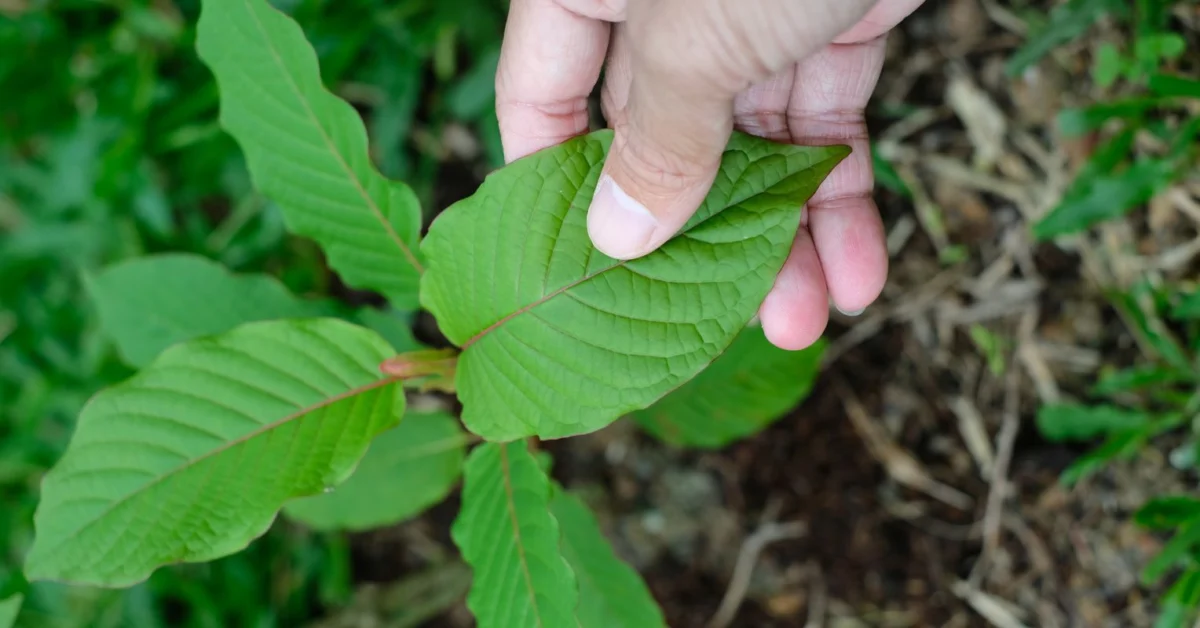
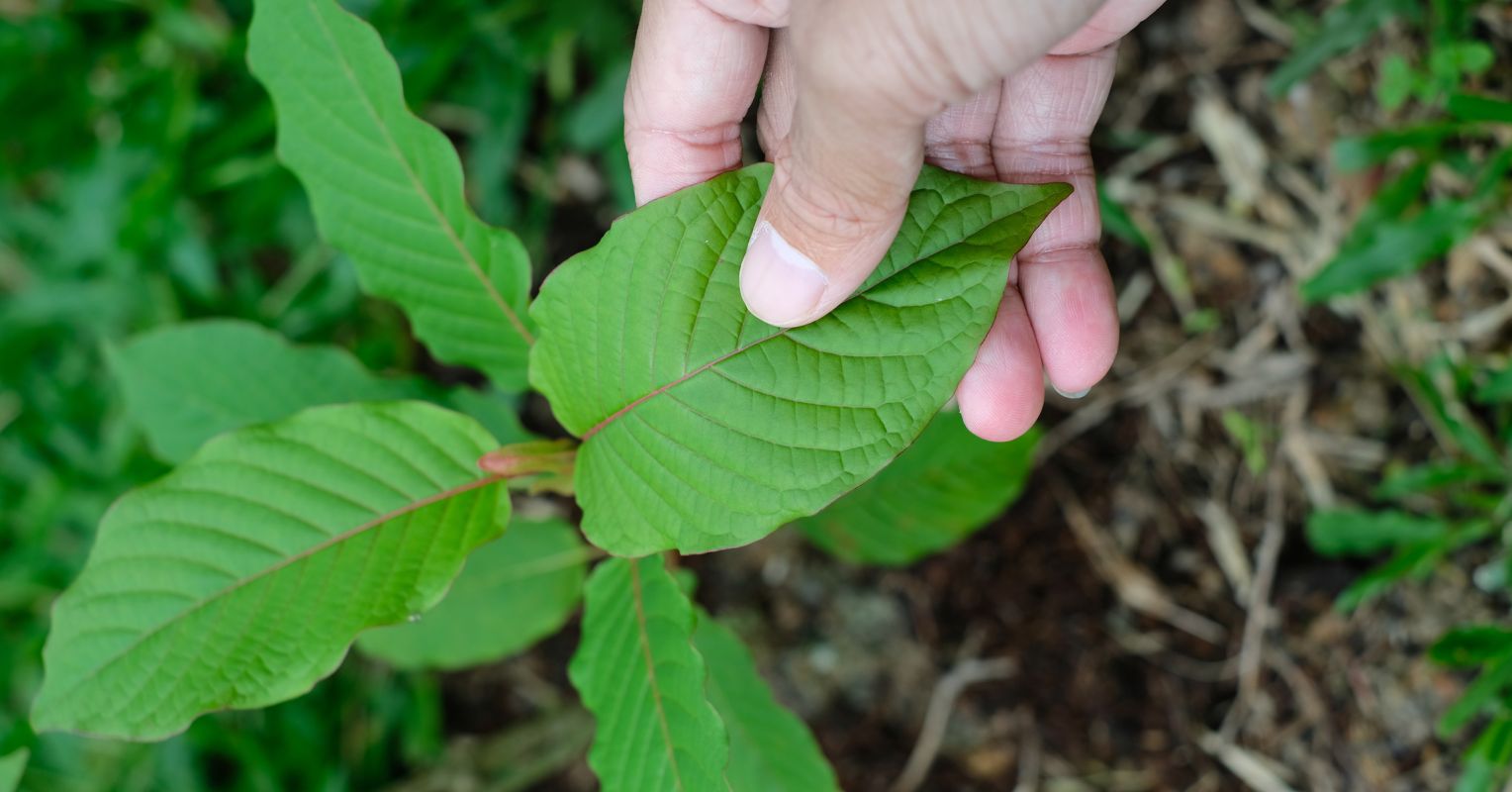
In the landscape of modern wellness, few substances have sparked as much controversy and confusion as kratom (Mitragyna speciosa). From the quiet aisles of local health food stores to the neon-lit shelves of suburban gas stations, products labeled "kratom" are increasingly ubiquitous. To its proponents, this Southeast Asian evergreen tree—used for centuries by indigenous laborers to combat fatigue and physical pain—is a botanical panacea. To regulators and many in the medical community, however, it represents an unregulated health risk with a high potential for abuse.
As more than two million Americans experiment with the substance, the gap between anecdotal reports of "lifesaving" relief and clinical warnings about dependency has never been wider. Understanding the true nature of kratom requires a nuanced look at its pharmacology, the shifting legislative landscape, and the lived experiences of those who have navigated the thin line between medicinal use and addiction.
The Genesis of a Botanical Phenomenon
Kratom is indigenous to the tropical climates of Thailand, Malaysia, and Indonesia. For generations, traditional users chewed the leaves to increase stamina during grueling physical labor and to manage minor ailments.
In the Western context, however, the substance has been rebranded as a versatile supplement. Today’s market offers kratom in various forms: dried leaves, powders, concentrated extracts, and pre-measured capsules. Its popularity surged in the early 2000s, driven by an internet-fueled wellness culture that sought natural alternatives to pharmaceuticals. As public interest grew, so did the claims surrounding the substance: users suggest it can alleviate chronic pain, mitigate the symptoms of PTSD, anxiety, and depression, and—most significantly—serve as a bridge for those attempting to wean themselves off illicit opioids or alcohol.
Chronology: A Regulatory Tug-of-War
The legal status of kratom has been a moving target for the better part of two decades.
- Mid-2000s: Kratom begins to gain traction in the United States as an herbal supplement, largely bypassing the scrutiny applied to traditional pharmaceuticals.
- 2016: The Drug Enforcement Administration (DEA) issues a formal notice of intent to place the active compounds in kratom (mitragynine and 7-hydroxymitragynine) into Schedule I of the Controlled Substances Act.
- Late 2016: Following an unprecedented public outcry from researchers, consumer advocacy groups, and users, the DEA takes the rare step of withdrawing its proposal, citing the need for further scientific analysis.
- 2022: The FDA issues a stern consumer advisory, warning that the agency has not approved kratom for any medical use and raising alarms regarding the lack of data on purity, dosage, and safety.
- 2023: Individual states begin to take the reins. On June 2, 2023, Florida enacted the "Kratom Consumer Protection Act," which prohibits the sale of kratom to individuals under 21 and establishes legal definitions for kratom products, setting a precedent for state-level regulation in the absence of federal oversight.
Supporting Data and the Efficacy Debate
The divide between users and medical professionals is stark. A survey published in the Frontiers in Pharmacology journal revealed that over 90 percent of respondents reported kratom was "very effective" for managing their pain or underlying medical conditions. These individuals often view the plant as a natural, safer alternative to synthetic opioids, which carry a well-documented risk of fatal overdose.
However, clinical researchers urge caution. Because the FDA does not regulate kratom products for purity or concentration, a consumer purchasing a packet from a convenience store has no guarantee regarding what else might be in the product—or how potent the active alkaloids are.
"As healthcare providers, it is our responsibility to maintain a curious, intellectual approach," says Jana Wu, LCSW, LADC. "While some individuals report positive outcomes, we must remember that those who are self-medicating for opiate use disorder are at high risk. They may trade one dependency for another, potentially developing a substance use disorder from the kratom itself."
The Darker Side: Clinical Realities and Side Effects
While kratom advocates focus on its analgesic properties, clinicians are increasingly seeing patients suffering from the fallout of its misuse. The Mayo Clinic and other health institutions have documented a range of adverse physical effects, including:
- Cardiovascular strain: Elevated heart rate, hypertension, and heart palpitations.
- Neurological impacts: Tremors, seizures, and in severe cases, instances of psychosis.
- Metabolic and physical issues: Nausea, constipation, extreme weight loss, and liver toxicity.
- Psychological shifts: Increased irritability, mood swings, withdrawal from social activities, and anhedonia (the inability to feel pleasure).
The clinical reality is often grimmer than the online discourse suggests. In professional treatment settings, experts report clients who have moved from "managing" their cravings to full-blown dependence. "I have worked with clients who, in their efforts to stop using opioids, became so dependent on kratom that it destroyed their financial and social stability," Wu notes. "Some reported missing work, accumulating debt, and engaging in behaviors they would never have considered had they not been under the influence."
Furthermore, stopping the substance after prolonged, high-dose use triggers a withdrawal syndrome that mirrors opioid cessation: intense muscle aches, debilitating anxiety, insomnia, and profound depression.
Treatment Paradigms for Kratom Misuse
The emergence of kratom-related addiction has forced treatment centers to adapt. Recovery typically begins with a medically supervised detox. While kratom withdrawal is rarely life-threatening, the physical symptoms—including chills, body aches, and nausea—can be severe enough to drive a person back to the substance to find relief.
A Multi-Faceted Approach to Recovery
Recovery is not merely about physical detoxification; it requires addressing the underlying psychological triggers that led the individual to seek kratom in the first place.
- Medication-Assisted Treatment (MAT): For those struggling with opioid use disorder, experts emphasize that there are FDA-approved, research-backed alternatives like buprenorphine. Switching from an illicit, unregulated substance to a regulated, medically monitored treatment is generally the safer path.
- Psychotherapy: Individual and family therapy are essential to uncover the root causes of the addiction. CBT (Cognitive Behavioral Therapy) and DBT (Dialectical Behavior Therapy) can help patients develop new, healthy coping mechanisms for stress and trauma.
- Holistic Support: Mindfulness, meditation, and group therapy sessions are vital components of long-term healing. Groups like those currently being developed at the Mountainside treatment center aim to provide a safe space to discuss the complexities of long-term use, the impact on family dynamics, and the psychological hurdles of recovery.
Implications: The Path Forward
The story of kratom is a cautionary tale about the intersection of demand and lack of regulation. When the market moves faster than science, the consumer is left vulnerable.
For kratom to be a legitimate component of any wellness practice, there must be a rigorous, evidence-based approach to its use. This includes standardization of dosages, transparency in labeling, and, most importantly, professional guidance. Without this, the potential for harm—ranging from individual health crises to the disruption of family systems—remains significant.
As the scientific community continues to peel back the layers of this issue, the best advice for those considering kratom is one of extreme caution. Before incorporating any substance into your health regimen, consult with a qualified healthcare professional. For those already struggling with a dependency on kratom, there is no shame in seeking help. Recovery is possible, and there are resources available to help you transition from the cycles of substance reliance to a life of sustainable, informed wellness.
If you or a loved one are struggling with substance use, please seek guidance from a licensed therapist or a medical professional. For more information on finding help, visit the Psychology Today Therapy Directory.