For the dedicated home cook, the difference between a mediocre meal and a restaurant-quality dish often comes down to the foundation. Whether you are simmering a complex French onion soup, deglazing a pan for a velvet-smooth reduction, or simply braising a pot roast, the quality of your beef broth serves as the structural integrity of your culinary efforts. While professional chefs often boast of 48-hour stocks rendered from marrow-heavy bones and mirepoix, the reality of modern life frequently demands a more efficient solution.
The challenge for the home cook is simple yet daunting: how do you find a store-bought beef broth that captures the depth, viscosity, and umami-rich profile of a homemade stock without falling into the traps of excessive sodium, artificial preservatives, or the dreaded "watered-down" flavor profile?
Recent consensus among culinary enthusiasts and home-cooking communities has shed light on the products that truly bridge the gap between convenience and quality. We have compiled a guide to the top-performing beef broths and stocks currently on the market, analyzed their flavor profiles, and explored how you can integrate these staples into your kitchen repertoire.
The Anatomy of a Superior Beef Broth
To understand why certain brands rise to the top, one must first identify what makes a "good" broth. A high-quality beef stock or broth should be defined by its complexity. It should possess a deep, mahogany hue and a mouthfeel that is slightly viscous—a sign of the collagen released from the bones during the simmering process.

Most subpar supermarket options suffer from two primary flaws: they are either overly reliant on salt to mask a lack of beef flavor or they are chemically stabilized to the point where they lack the "soul" of a slow-cooked product. The brands identified below are lauded specifically for their ingredient integrity, focusing on roasted beef components, aromatic vegetables, and clean, savory finishes.
The Top 5 Beef Broths: A Consumer’s Guide
1. Better Than Bouillon: The Concentrated Powerhouse
For many, "Better Than Bouillon" is not just a brand; it is a pantry essential. Unlike standard liquid stocks that are largely water, this paste-based concentrate offers unparalleled control over flavor intensity.
- Why it wins: Its primary ingredient is roasted beef, which provides a level of savory depth that liquid cartons struggle to replicate. Because it is a paste, you can adjust the dilution based on whether you are using it for a light soup or a heavy, fortified demi-glace.
- The Consensus: Reddit cooking communities consistently cite this as the "gold standard" for everyday use. It is highly efficient, cost-effective, and delivers a robust flavor that mimics long-simmered stocks.
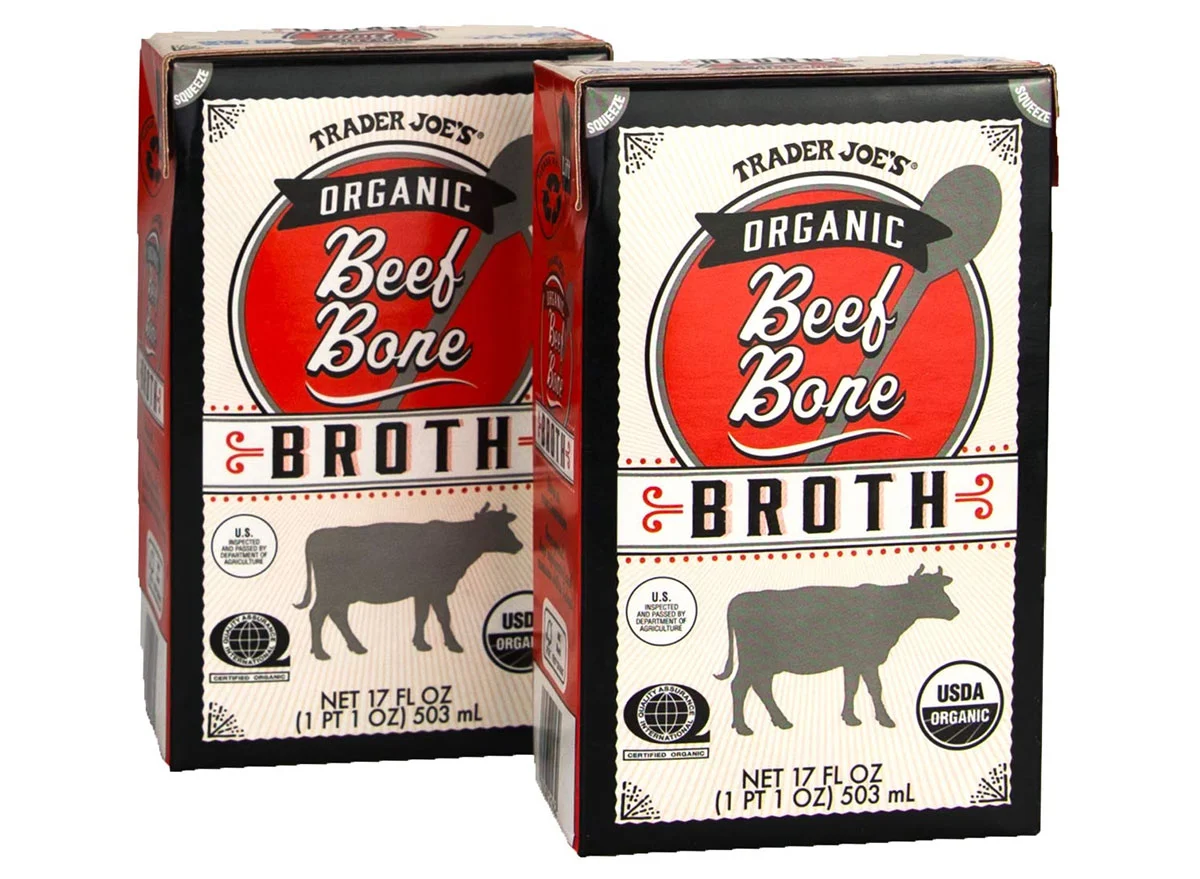
2. Trader Joe’s Organic Beef Bone Broth: The Value Leader
Trader Joe’s has built a cult following by offering high-quality organic products at accessible price points, and their beef bone broth is no exception.
- Why it wins: Bone broth differs from traditional stock in that it is simmered for a significantly longer period, extracting more collagen and minerals. Trader Joe’s version is praised for its clean ingredient list and the absence of the metallic aftertaste that plagues many mass-market brands.
- The Consensus: Home cooks value this option for its versatility. It is clean enough to be consumed on its own—a hallmark of a high-quality bone broth—and acts as a reliable, neutral base for complex recipes.
3. Kitchen Basics Beef Stock: The Culinary Base
Kitchen Basics has long been a staple in professional and home kitchens alike. Their beef stock is designed to be a "neutral" canvas, allowing the cook to layer in their own herbs and seasonings.

- Why it wins: The texture of Kitchen Basics is noticeably more "hearty" than standard brands. It achieves a balance where it is flavorful enough to be used directly from the carton but refined enough that it won’t overpower the other ingredients in your dish.
- The Consensus: Many reviewers suggest "fortifying" this stock with a small amount of concentrated bouillon. This "hybrid" approach allows the cook to have the best of both worlds: the volume and body of a liquid stock combined with the punchy intensity of a concentrate.
4. Swanson’s Unsalted Beef Stock: The Controlled Element
One of the cardinal rules of cooking is that the chef should be the one to control the salt levels. Swanson’s Unsalted Beef Stock provides the perfect environment for this.
- Why it wins: By removing the sodium, Swanson allows the flavor of the beef and aromatics to shine through without the interference of salt. This is essential for recipes that require reduction, where the salt content would otherwise become dangerously high as the liquid evaporates.
- The Consensus: It is a favorite among those who are health-conscious or those who prefer to season their dishes at the end of the cooking process. It provides a reliable, consistent, and "classic" beef flavor that acts as a safe foundation for any recipe.
5. Bonafide Provisions Organic No Salt Added: The "Whole Food" Choice
For those looking for a product that mimics the homemade experience, Bonafide Provisions stands out due to its sourcing and processing.
- Why it wins: This product is often found in the freezer section, a testament to its lack of preservatives. It contains simple, recognizable ingredients: filtered water, organic grass-fed beef bones, and organic aromatics. It feels like a product made in a kitchen, not a factory.
- The Consensus: It is frequently cited as the go-to for those who want the health benefits of bone broth without the time-consuming process of roasting bones and simmering for 24 hours.
The Chronology of Broth: From Ancient Staple to Modern Convenience
The evolution of beef broth is a reflection of the evolution of the kitchen itself. Historically, stock-making was a necessary function of the hearth. Nothing was wasted; bones, scraps, and trimmings were tossed into a pot and simmered to extract every ounce of nutrition and flavor.
By the late 19th century, the invention of commercial bouillon cubes—most notably by Liebig’s Extract of Meat Company—changed the culinary landscape by offering a shelf-stable way to introduce savory flavor. However, the mid-20th century saw a decline in quality as companies prioritized cost-reduction, leading to the "salty water" reputation of many store-bought stocks.

The 21st century has seen a "renaissance of the broth." With the rise of the Paleo and Keto diets, along with a renewed interest in traditional cooking techniques, consumers began demanding higher-quality, nutrient-dense bone broths. This demand forced manufacturers to pivot, resulting in the current market where "clean label" products like Bonafide and high-potency concentrates like Better Than Bouillon can coexist with traditional pantry staples.
Supporting Data: The Impact of Quality on Culinary Outcomes
The quality of a broth is scientifically measurable through its gelatin content and its amino acid profile. Gelatin, derived from collagen, is what gives a properly made beef stock its "mouth-coating" quality.
A study of consumer preferences reveals that when home cooks are asked to identify their preferred broth in blind taste tests, they almost universally select products with higher protein content and lower sodium levels. This suggests that the human palate is naturally calibrated to favor the complexity of real beef extract over the sharpness of excessive salt or MSG-derived enhancers.
Furthermore, the "fortification" technique mentioned by Reddit users—mixing a liquid stock with a paste concentrate—is supported by food science. The liquid provides the volume and collagen (body), while the concentrate provides the glutamate-rich flavor (umami). This two-pronged approach is effectively how many restaurants create their house stocks without having the time to simmer bones for days.

Official Responses and Industry Trends
While industry giants have remained somewhat quiet on the specific "Reddit-approved" methods of home cooks, the market shift is undeniable. Major retailers are increasingly dedicating shelf space to "Premium" and "Organic" lines, acknowledging that the modern consumer is more educated than ever.
Companies are also moving toward "cleaner" labeling. Transparency regarding the source of the bones—specifically emphasizing "grass-fed" or "pasture-raised"—has become a key marketing differentiator. The industry is moving away from the era of "mystery beef flavor" and toward a model of provenance, where the ingredients are as important as the final product.
Implications: How This Changes Your Cooking
What does this mean for the average home cook? It means that you no longer need to feel guilty about using store-bought products. The "homemade or bust" mentality is increasingly obsolete when the market offers products that are nutritionally and flavor-wise competitive with scratch-made stocks.
Strategic Tips for the Home Kitchen:
- The "Custom Blend" Method: Keep a jar of Better Than Bouillon in the fridge. Use it to fortify lower-cost, unsalted stocks when you need a flavor boost.
- Reduction is Key: If you are making a gravy or a reduction sauce, always reach for an unsalted stock. You will have far more control over the final salinity of the dish.
- Storage: If you buy a larger quantity of stock than you need, freeze it in ice cube trays. These "beef flavor cubes" are perfect for tossing into sautés or quickly deglazing a pan during a busy weeknight.
- Read the Label: Look for the word "stock" rather than "broth." Generally, stock is made from bones, which provides more collagen and body, whereas broth is made from meat, which is lighter and less viscous.
By selecting the right product for the specific task—whether it is a simple cup of warm bone broth for health or a rich, concentrated base for a complex sauce—you can dramatically elevate your home cooking. The modern pantry is no longer a collection of shortcuts, but a toolkit for culinary excellence. The key lies in understanding the strengths of these products and utilizing them as a partner in your creative process, rather than a mere substitute.