






In the rapidly evolving landscape of sleep medicine, the quest for more efficient, accessible, and patient-centric diagnostic tools has never been more pressing. As Obstructive Sleep Apnea (OSA) continues to affect millions globally, often remaining undiagnosed due to the complexity and cost of traditional laboratory-based polysomnography (PSG), clinicians are increasingly turning to adjunctive technologies. Among these, overnight pulse oximetry stands out as a vital, noninvasive tool that is bridging the gap between initial screening and definitive treatment.
A newly released report, “Overnight Pulse Oximetry: Multidisciplinary Value for Clinical Practice,” provides a comprehensive deep dive into how this technology is being leveraged to streamline workflows, enhance patient triage, and ensure more robust therapy follow-up. By providing objective data on oxygen saturation (SpO2) and pulse rate trends, pulse oximetry is becoming an indispensable asset in the modern sleep clinic’s arsenal.
Main Facts: The Clinical Utility of Pulse Oximetry
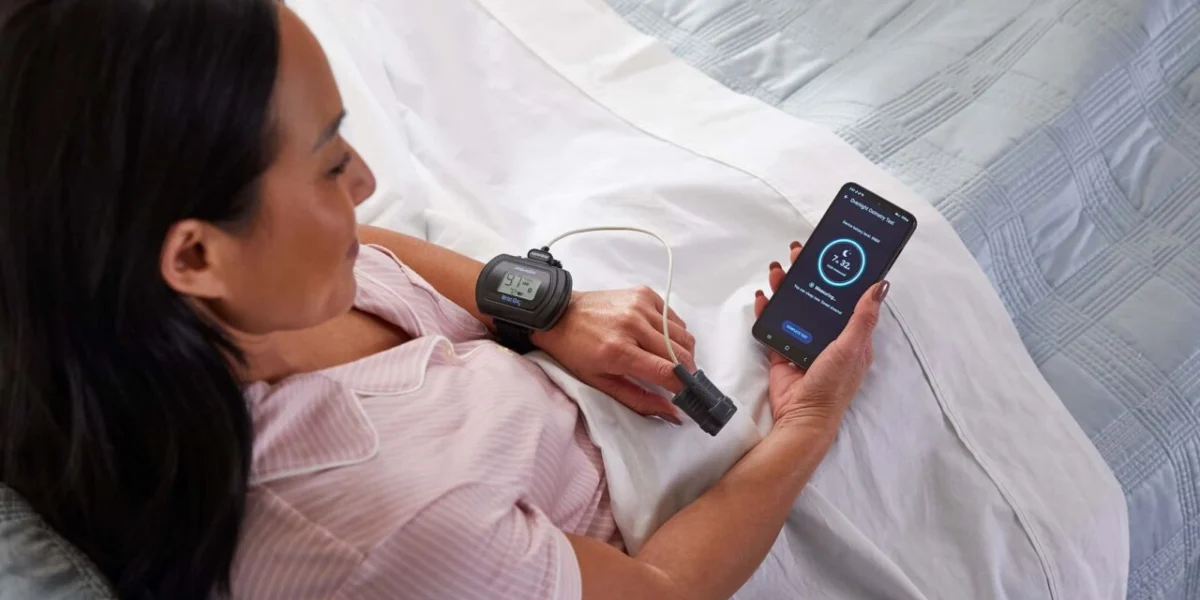
At its core, overnight pulse oximetry is a simple yet powerful diagnostic aid. By continuously monitoring a patient’s peripheral oxygen saturation and pulse rate throughout the night, it offers a window into the physiological disruptions caused by respiratory events.
Unlike full PSG, which monitors brain waves (EEG), eye movements (EOG), and muscle activity (EMG), pulse oximetry focuses specifically on the cardiovascular and respiratory manifestations of sleep disturbances. This makes it an ideal candidate for:
- OSA Prescreening: Identifying high-risk patients who require immediate attention.
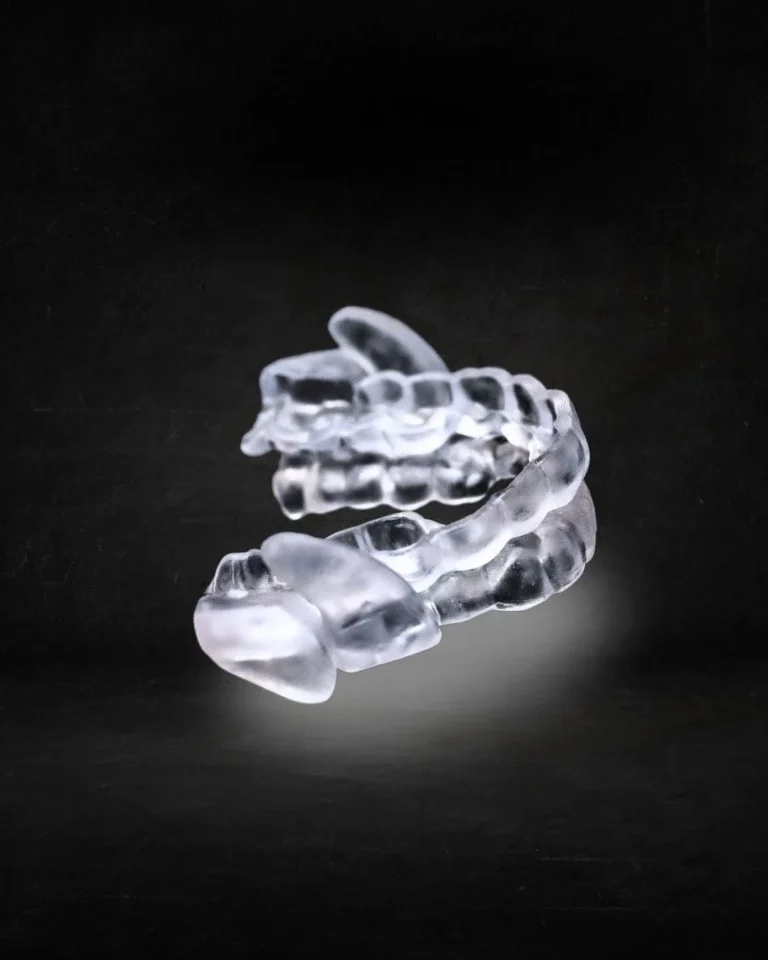
- Treatment Efficacy Monitoring: Assessing how well a patient is responding to Positive Airway Pressure (PAP) therapy or oral appliance therapy.
- Remote Monitoring: Facilitating a "hub-and-spoke" model of care where data is captured at home and reviewed remotely by specialists.
The report emphasizes that while pulse oximetry cannot replace the gold-standard PSG, its role as a "first-look" technology is unparalleled in its ability to facilitate rapid clinical decision-making.
Chronology: From Bedside Monitoring to Cloud-Based Connectivity
The trajectory of pulse oximetry reflects the broader digital transformation of healthcare.
The Early Days: Paper and Manual Downloads
For decades, overnight oximetry was a logistical burden. Patients would visit a clinic to be fitted with bulky devices, return the device the next morning, and wait days for a technician to manually download the data and generate a report. This friction often led to patient non-compliance and delays in diagnosis.
The Transitional Phase: Digital Integration
With the introduction of digital sensors, data capture became more accurate, but the process remained tethered to the physical clinic. Clinicians were still bogged down by device sanitization, manual data entry into Electronic Health Records (EHRs), and the time-consuming process of physical equipment tracking.
The Modern Era: The Cloud and Mobile Integration
Today, we are in the era of seamless connectivity. Modern systems, such as the Nonin Health platform paired with the WristOx2 Model 3150BLE, utilize Bluetooth Low Energy (BLE) technology. Patients can now transmit their nightly data securely via a mobile application, bypassing the need for manual device returns. This shift has turned the overnight test from a "one-off" diagnostic event into an ongoing stream of health data, allowing for longitudinal tracking of sleep health.
Supporting Data: The Value of Objective Metrics
The clinical value of pulse oximetry is rooted in its ability to provide objective data where subjective reports fail. Patients often underreport the severity of their symptoms, or conversely, may report fatigue that does not match their apnea-hypopnea index (AHI).
According to the report, clinicians use oxygen desaturation patterns to guide the "next step" in the care pathway. If an overnight oximetry report shows repeated, significant drops in SpO2, it serves as a clear clinical indicator that the patient requires more intensive diagnostic testing, such as a formal home sleep apnea test (HSAT) or an in-lab polysomnography study.
Furthermore, the data suggests that in the context of oral appliance therapy—which is notoriously difficult to titrate without repeated lab visits—overnight pulse oximetry provides a cost-effective way to verify whether the appliance is successfully maintaining airway patency throughout the night. By comparing baseline saturation levels with post-appliance saturation levels, clinicians can make data-driven adjustments to the appliance, reducing the number of in-person follow-up visits.
Official Responses and Regulatory Guidance
Despite the enthusiasm for these tools, the medical community remains cautious about the boundaries of pulse oximetry. The American Academy of Sleep Medicine (AASM) has provided clear guidance to ensure patient safety and diagnostic accuracy.
The AASM Diagnostic Testing Guideline
The AASM’s diagnostic testing guidelines explicitly state that clinicians should not use limited screening information—such as that provided by pulse oximetry—as a direct substitute for appropriate, comprehensive diagnostic sleep testing.
The rationale is clear: pulse oximetry can detect that a patient is desaturating, but it cannot always identify why. It cannot distinguish between central and obstructive events, nor can it identify sleep stages or micro-arousals that do not lead to desaturation. Therefore, the official stance is that pulse oximetry is a supportive tool, not a diagnostic replacement. It is designed to enhance the clinical picture, not to serve as a standalone diagnosis for OSA.
Implications: Transforming Sleep Medicine Workflows
The implications of integrating cloud-connected pulse oximetry into clinical practice are profound, affecting everything from operational efficiency to patient outcomes.
1. Operational Efficiency
By reducing manual downloads and physical device handling, practices can significantly decrease the administrative burden on nursing and technical staff. Cloud-based portals allow for the automation of report generation, which can then be triaged by the sleep physician. This "touchless" workflow allows for a higher volume of patients to be monitored without a proportional increase in overhead.
2. Improved Triage and Patient Safety
The most significant clinical implication is the ability to triage patients based on severity. Patients who demonstrate critical desaturation patterns can be prioritized for immediate diagnostic testing and treatment initiation. Conversely, those with mild or questionable patterns can be monitored over a longer period, potentially avoiding unnecessary, costly, and invasive in-lab studies.
3. Strengthening the Patient-Provider Relationship
Remote monitoring via mobile apps empowers patients. When a patient can see their data being transmitted and reviewed by their care team, it fosters a sense of accountability and engagement in their own treatment. For patients struggling with PAP therapy or oral appliances, receiving immediate feedback on how their treatment is improving their nocturnal oxygenation can be a powerful motivator for long-term adherence.
4. The Future of Multidisciplinary Care
The report highlights that the future of sleep medicine lies in a multidisciplinary approach. Primary care physicians, dentists (in the case of oral appliance therapy), and sleep specialists can all access the same cloud-based data, ensuring that the patient’s care is coordinated. This prevents the "siloing" of information, which is a common cause of treatment failure in chronic condition management.
Conclusion: A Balanced Perspective
Overnight pulse oximetry represents a major step forward in the democratization of sleep diagnostics. Its ability to provide objective, actionable data in a user-friendly, remote-capable format aligns perfectly with the goals of modern, value-based healthcare.
However, the technology must be used with a keen understanding of its limitations. It is an adjunct to, not a replacement for, professional clinical judgment and comprehensive diagnostic testing. As the technology continues to evolve, the emphasis must remain on the integration of this data into a broader care plan that prioritizes the patient’s overall health and long-term sleep hygiene.
For clinical practices looking to modernize, the path forward is clear: adopt robust, cloud-enabled oximetry platforms, integrate them into a well-defined triage and follow-up workflow, and maintain strict adherence to AASM guidelines. By doing so, sleep medicine providers can ensure that they are not only seeing more patients but are providing a higher quality of care that leads to healthier, more rested lives for their patients.
To learn more about the specific applications, limitations, and the evolving role of this technology in your clinical practice, you are encouraged to download the full report, “Overnight Pulse Oximetry: Multidisciplinary Value for Clinical Practice.”