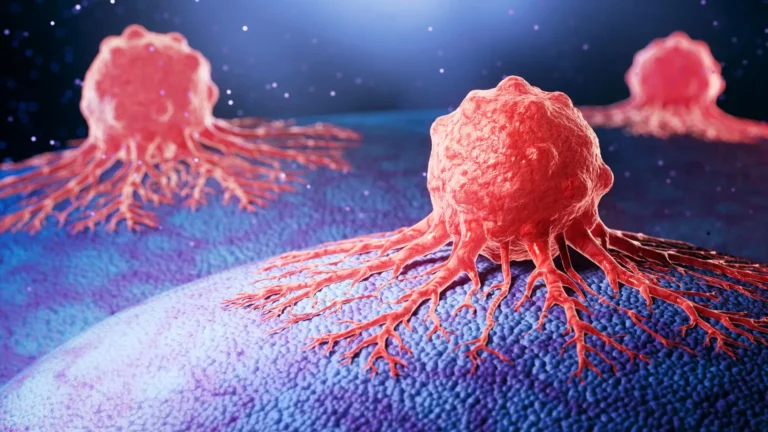












For decades, the medical community has operated under the optimistic assumption that once a patient achieves a healthy body weight, the metabolic and inflammatory damage caused by obesity is largely mitigated. However, a groundbreaking 10-year study published in EMBO Reports challenges this paradigm, suggesting that the human body—specifically the immune system—retains a "molecular memory" of obesity that can endure for nearly a decade after weight loss has been achieved.
Led by a distinguished European research team, including experts from the University of Birmingham and the National Institute for Health and Care Research (NIHR) Biomedical Research Centre, the study reveals that obesity leaves a permanent, long-lasting biological imprint on helper T cells. This discovery offers a compelling explanation for why individuals who have successfully shed weight often remain at a statistically elevated risk for metabolic conditions, including type 2 diabetes and certain cancers.
The Biological Imprint: Understanding Epigenetic Memory
At the heart of this research is the concept of DNA methylation—a process where chemical "tags" attach to DNA, altering how genes are expressed without changing the underlying genetic code. The researchers discovered that obesity induces these epigenetic modifications in CD4+ lymphocytes, commonly known as helper T cells. These cells are the "command centers" of the immune system, coordinating the body’s response to pathogens and regulating inflammation.
The study indicates that these chemical tags do not vanish the moment the scale drops. Instead, they act as a biological record of the body’s previous metabolic state, lingering for 5 to 10 years following weight reduction. This persistent molecular signature forces the immune system to continue operating as if the body were still in a state of chronic obesity, perpetuating an inflammatory environment long after the physiological indicators of obesity—such as elevated BMI or waist circumference—have been corrected.
A Decade of Investigation: The Chronology of the Study
The study was not a brief observation but a decade-long commitment to understanding the interplay between metabolic history and cellular function. The researchers structured their inquiry to capture a multidimensional view of immune health, incorporating:
- Human Longitudinal Cohorts: The team analyzed immune cells from four distinct groups, ranging from individuals who had never been obese to those who had undergone significant weight loss. This comparative approach allowed researchers to isolate the "obesity memory" from other variables.
- Murine Models: To observe the mechanisms of cellular decay and immune dysregulation in real-time, the team utilized mouse models subjected to high-fat diets. This provided a controlled environment to track how immune cells change in response to metabolic stress and how those changes manifest in tissue function.
- Human Blood Donations: By cross-referencing findings from healthy volunteers with those who had a history of obesity, the researchers were able to confirm that the observed epigenetic markers were consistent across human populations, rather than being an anomaly of a specific group.
Throughout these ten years, the team monitored how these helper T cells behaved in different metabolic environments, eventually pinpointing that the "memory" was concentrated in genes responsible for cellular cleanup and aging.
The Mechanics of Decline: Autophagy and Senescence
Why does this DNA tagging matter? The study highlights two critical biological pathways that are severely hampered by this "obesity memory":
1. The Disruption of Autophagy
Autophagy is the body’s internal recycling program. It is the process by which cells break down damaged components, proteins, and cellular waste, effectively keeping the cell "clean" and functional. The research found that in cells carrying the obesity-related DNA tags, autophagy is suppressed. When cells cannot clear out their own waste, they become sluggish, dysfunctional, and prone to triggering chronic, low-grade inflammation.
2. Accelerated Immune Senescence
The second casualty is the process of immune aging, or senescence. The obesity-marked T cells appear to "age" faster than their counterparts. Senescent cells are not dead, but they are no longer functional; instead, they secrete inflammatory cytokines that damage surrounding tissues. This state of premature cellular aging explains why post-obesity individuals may remain biologically "older" at a cellular level, leaving them more susceptible to the diseases associated with aging, even if they are physically fit.
Official Perspectives: Experts Weigh In
The gravity of these findings has drawn significant commentary from the scientific community.
Professor Claudio Mauro, the study’s co-lead author from the University of Birmingham’s Department of Inflammation and Ageing, emphasized the clinical necessity of viewing weight management as a long-term strategy rather than a short-term goal.
"The findings suggest that short-term weight loss may not immediately reduce the risk of some disease conditions associated with obesity," Professor Mauro stated. "Instead, ongoing weight management following loss will see the ‘obesity memory’ slowly fade. This may take several years of sustained weight loss maintenance—likely 5-10 years—to fully reverse the effects of obesity on T cells."
He also pointed toward a new frontier in treatment: "Our study suggests potential therapeutic opportunities to expedite this process, such as repurposing drugs like SGLT2 inhibitors, which have shown promise in reducing inflammation and promoting immune-mediated clearance of senescent cells."
Dr. Belinda Nedjai of the Wolfson Institute of Population Health at Queen Mary University London, a senior author of the paper, added: "Our findings show that obesity is associated with durable epigenetic modifications that influence immune cell behavior. This suggests that the immune system retains a molecular record of past metabolic exposures, which may have implications for long-term disease risk and recovery."
Professor Andy Hogan of the Kathleen Lonsdale Institute for Human Health Research at Maynooth University, Ireland, highlighted the societal implications. "We know obesity is a chronic, progressive, and relapsing disease," Hogan noted. "Our findings provide further understanding of the molecular mechanisms potentially driving the risk of relapsing and highlight the challenges facing people living with obesity to successfully manage their weight."
Implications for Public Health and Future Medicine
The implications of this research are profound. First, it validates the experience of many patients who feel that their health challenges do not disappear simply because they have achieved a "normal" weight. It provides a biological foundation for what has long been discussed as a persistent metabolic vulnerability.
Redefining Success
If the immune system requires up to a decade to reset its "molecular clock," then clinical success metrics must shift. Rather than focusing solely on the achievement of a target weight, healthcare providers should prioritize long-term maintenance and anti-inflammatory support for patients who have recently lost significant weight.
Targeted Pharmacological Interventions
The study opens the door to a new category of "metabolic recovery" treatments. By focusing on drugs that can clear senescent cells—known as senolytics—or agents that restore autophagic activity, doctors could potentially "erase" the obesity memory more quickly. This would be a game-changer for patients at high risk for type 2 diabetes or cancer, who could receive targeted support during the vulnerable 5-10 year post-weight-loss window.
A Call for Sustained Support
Public health policies currently favor intensive, short-term interventions for weight loss. However, this study suggests that such a focus is insufficient. The "obesity memory" suggests that patients require sustained, long-term monitoring and nutritional support to navigate the years it takes for their immune system to fully recover.
Conclusion: The Path Forward
The EMBO Reports study serves as a critical reminder that the body does not exist in a vacuum. Every state of health—or disease—leaves a footprint. While the news that obesity leaves a long-lasting biological imprint might seem daunting, it is ultimately a message of empowerment. By understanding the mechanisms behind this memory, science is now better positioned to develop therapies that can accelerate recovery, helping patients not just lose weight, but reclaim their full biological health.
As the research moves toward clinical trials for targeted therapies, the focus remains clear: the journey to health is not merely about the absence of obesity, but the restoration of the immune system’s delicate, vital balance. The 10-year study provides the roadmap for that journey, proving that while the body remembers, it is also capable of healing—provided it is given the right time and the right tools.