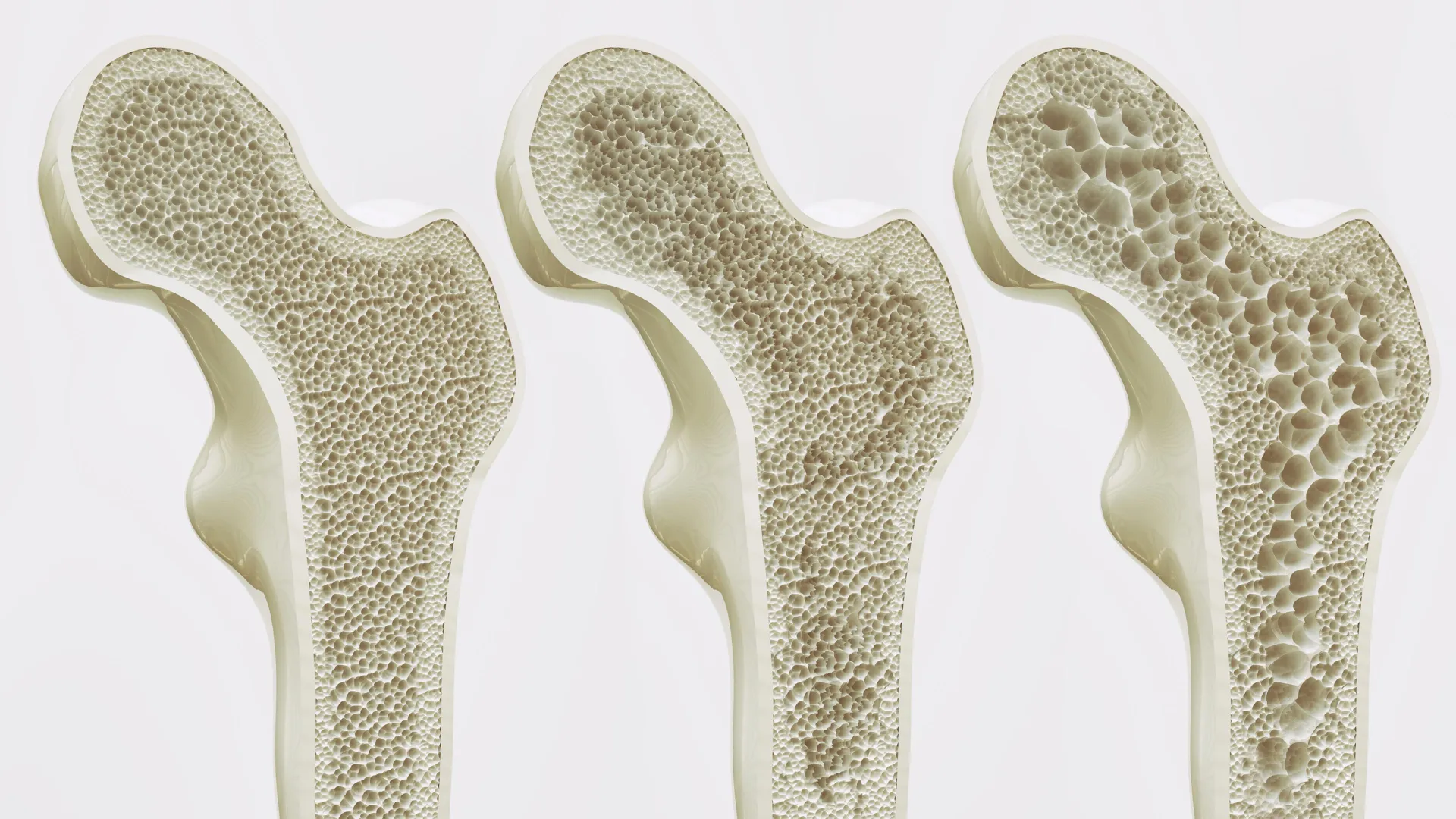
For millions of people worldwide, the day does not truly begin until that first cup of coffee or tea is poured. It is a ritual steeped in culture, comfort, and, for many, a necessary jolt of energy. However, for the one in three women over the age of 50 who face the looming risk of osteoporosis—a condition characterized by weakened bones and an increased susceptibility to fractures—the contents of that morning mug may carry more weight than previously understood.
New research conducted by a team at Flinders University has shed fresh light on how these two ubiquitous beverages influence bone mineral density (BMD) over time. Published in the peer-reviewed journal Nutrients, the study offers a nuanced perspective on the relationship between caffeine, antioxidants, and the skeletal integrity of older women. By tracking nearly 10,000 participants over a decade, the researchers have provided some of the most comprehensive evidence to date regarding the long-term impacts of coffee and tea consumption.
The Global Burden of Osteoporosis
To understand the significance of this study, one must first recognize the scale of the health crisis it addresses. Osteoporosis is a silent epidemic, often termed the "silent thief" because it progresses without symptoms until a fracture occurs. Globally, the condition is responsible for millions of fractures annually, causing significant morbidity, loss of independence, and increased healthcare costs.
As the global population ages, the prevalence of osteoporosis is projected to rise. While genetic factors, hormonal changes during menopause, and nutritional deficiencies in calcium and vitamin D are well-established contributors to bone loss, lifestyle choices—including dietary habits—remain an area of intense scientific scrutiny. Because coffee and tea are among the most consumed beverages on the planet, even minor correlations between their consumption and bone health could have profound implications for public health strategies.
Tracking a Decade of Habits: The Study Design
The Flinders University research utilized data from the long-standing Study of Osteoporotic Fractures (SOF), a landmark longitudinal project. By leveraging this robust dataset, the researchers were able to track approximately 10,000 women aged 65 and older over a period of 10 years.
The study’s methodology was rigorous. Researchers repeatedly assessed the beverage consumption habits of the participants through comprehensive surveys. Simultaneously, they utilized advanced bone imaging technology to measure BMD at the hip and the femoral neck. These two anatomical sites are critical because they are the primary locations where fractures often lead to severe complications, including hip fractures, which are associated with significant mortality risks in the elderly population.
The longitudinal nature of this study—spanning an entire decade—sets it apart from previous, shorter-term investigations. By observing the same group of women over such an extended duration, the researchers were able to filter out short-term fluctuations and focus on the sustained impact of daily habits on skeletal structure.
The Tea Advantage: A Potential Protective Effect
One of the most compelling findings of the Flinders study is the positive association between tea consumption and bone density. The results indicated that women who regularly consumed tea demonstrated slightly higher total hip BMD compared to their counterparts who did not drink tea.
While the researchers were careful to characterize this difference as "small," they emphasized that it is statistically significant. In the context of large populations, even a marginal improvement in BMD can translate into a substantial reduction in the incidence of fractures.
The mechanism behind this potential benefit is believed to lie in the chemical composition of tea. Ryan Liu, a co-author of the study, points to compounds known as catechins. "Catechins, which are abundant in tea, may promote bone formation and slow down the process of bone breakdown," Liu explains. These polyphenolic compounds are known for their antioxidant and anti-inflammatory properties, which may help mitigate the oxidative stress that contributes to bone resorption as women age.
Interestingly, the study noted that the apparent benefits of tea were more pronounced among women with obesity. This suggests that the interplay between metabolic health and dietary compounds like catechins warrants further investigation, as it could lead to tailored dietary recommendations for different demographics of aging women.
The Coffee Paradox: The Complexity of Caffeine
While tea appears to offer a modest protective benefit, the relationship between coffee consumption and bone health is more complicated. The study found that moderate coffee consumption—defined as approximately two to three cups per day—showed no evidence of harm to bone density.
However, the "tipping point" for coffee appears to be around five cups per day. Women who consistently consumed more than this threshold demonstrated lower BMD, suggesting that high-volume coffee intake may negatively influence bone metabolism.
The reason for this, according to researchers, likely resides in coffee’s primary active ingredient: caffeine. "Coffee’s caffeine content has been shown in laboratory studies to interfere with calcium absorption and bone metabolism," says Ryan Liu. "However, it is important to note that these effects are relatively small and, in many cases, can be offset by simple dietary adjustments, such as adding milk to your coffee, which can help replace the calcium that might otherwise be lost."
Furthermore, the impact of coffee seems to be sensitive to other lifestyle factors. The study revealed that the negative effects associated with heavy coffee consumption were more pronounced in women with higher lifetime alcohol consumption. This highlights the importance of viewing diet not as a series of isolated habits, but as a complex web of interactions where alcohol, caffeine, and other substances intersect to influence long-term health outcomes.
Expert Perspectives and Official Implications
The researchers at Flinders University have been careful to contextualize their findings to ensure they are not misinterpreted by the public. Adjunct Associate Professor Enwu Liu, who led the research, emphasizes that while the findings are significant, they do not necessitate an overhaul of daily routines.
"Our results don’t mean you need to give up coffee or start drinking tea by the gallon," Associate Professor Liu stated. Instead, the study provides a roadmap for "informed consumption." For older women concerned about their bone density, the research suggests that shifting from an excessive coffee habit toward a more moderate approach—perhaps incorporating a daily cup of tea—could be a simple, non-invasive way to support skeletal health.
The implications for clinical practice are also noteworthy. Doctors and geriatric specialists may use these findings to provide more nuanced nutritional counseling. Rather than blanket advice regarding caffeine, practitioners could offer personalized guidance based on a patient’s existing bone density, alcohol intake, and overall metabolic profile.
A Balanced Approach to Bone Health
It is essential to reiterate that lifestyle habits involving coffee and tea are only one piece of the puzzle. Calcium and vitamin D remain the non-negotiable cornerstones of bone health. Without sufficient intake of these essential nutrients, no amount of tea-drinking can fully prevent the natural decline in bone density associated with aging.
"While calcium and vitamin D remain cornerstones of bone health, what’s in your cup could play a role too," says Associate Professor Liu. "For older women, enjoying a daily cup of tea may be more than a comforting ritual; it could be a small step toward stronger bones."
Looking Toward Future Research
As with all epidemiological research, the Flinders University study opens the door for further inquiry. Future studies might seek to isolate the specific types of tea (black, green, or herbal) that offer the most benefit and investigate whether these findings hold true for younger populations. Additionally, the role of genetics in determining how individuals metabolize caffeine and utilize catechins remains an under-explored frontier that could eventually lead to precision nutrition strategies.
For now, the message from the Flinders team is one of cautious optimism. The study reinforces the idea that dietary choices made in middle and late adulthood have a cumulative impact on physiological health. By paying attention to the nuances of what we drink—and how much of it we consume—older women can take proactive steps to maintain their mobility and strength.
In conclusion, while the search for a "magic bullet" for bone health continues, this study provides a clear, evidence-based reminder that health is often found in the small, daily choices. Whether it is opting for a cup of tea in the afternoon or being mindful of excessive coffee intake, these minor adjustments, when sustained over a decade, can contribute to a healthier, more resilient future.
Source Information:
The study, titled ‘Longitudinal Association of Coffee and Tea Consumption with Bone Mineral Density in Older Women: A 10-Year Repeated-Measures Analysis in the Study of Osteoporotic Fractures’, was authored by Ryan Yan Liu and Enwu Liu and published in the journal Nutrients.
Funding Acknowledgments: This research was supported by the Study of Osteoporotic Fractures (SOF), which is funded by the National Institute on Aging (NIA) and the National Institute of Arthritis and Musculoskeletal and Skin Diseases (NIAMS) through grants AG05407, AR35582, AG05394, AR35584, and AR35583.