





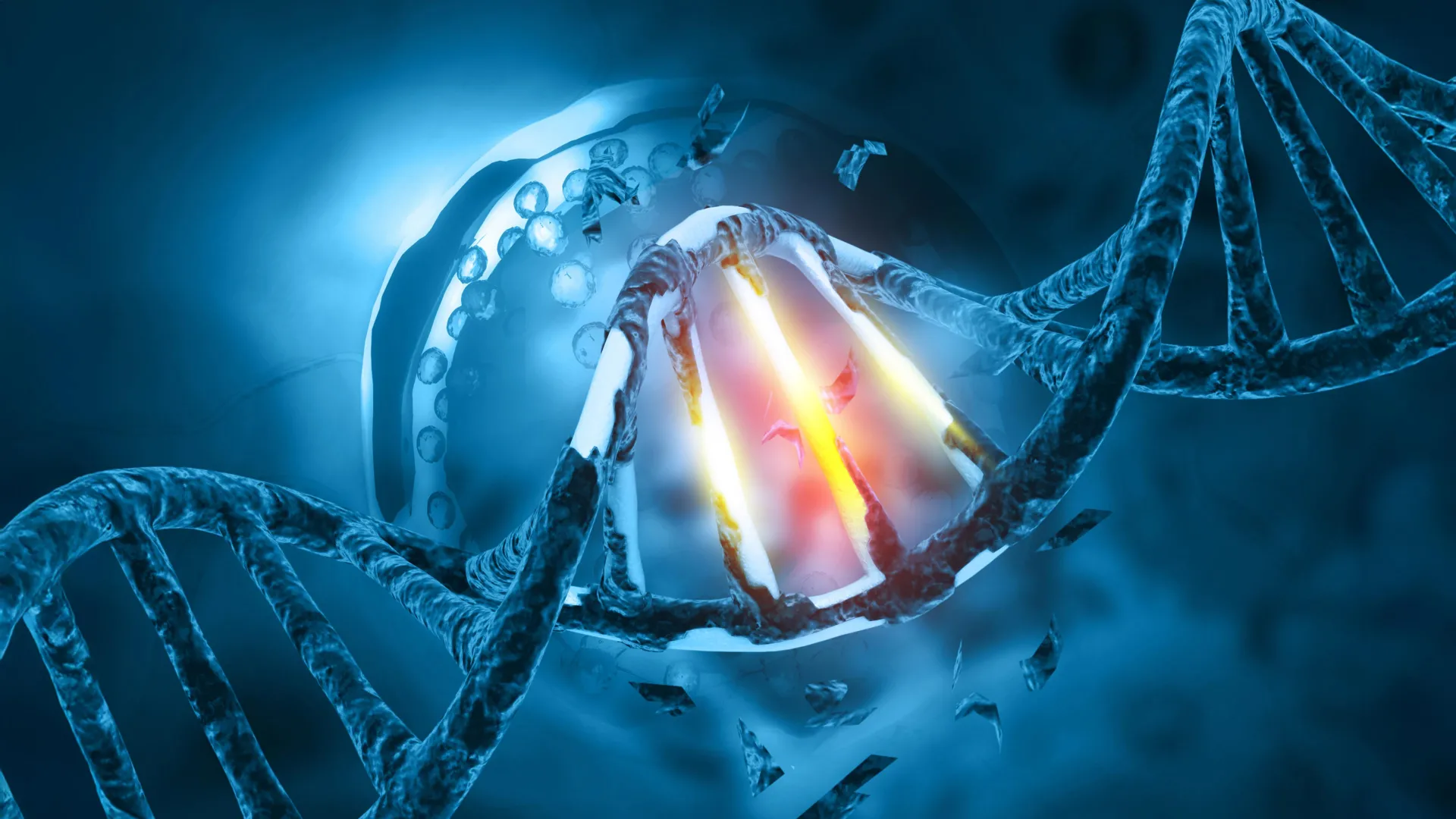
In a landmark study that could fundamentally reshape our understanding of oncology, an international team of scientists has uncovered the first direct evidence that an individual’s inherited genetic makeup acts as a "navigational system" for cancer. The research, published in the journal Nature, demonstrates that the genes we are born with do not merely influence the risk of developing cancer; they actively dictate the evolutionary trajectory a tumor takes once it begins to form.
For decades, the medical community has grappled with a persistent mystery: why two individuals living in identical environments, exposed to the same carcinogens, can have vastly different cancer outcomes. This study provides the missing link, suggesting that the "soil" in which a mutation lands—the unique genetic background of the host—is as critical as the "seed" of the mutation itself.
The Architecture of the Discovery: Main Facts
Cancer is fundamentally a disease of the genome, triggered by the accumulation of mutations—errors in DNA replication or damage caused by external agents like UV radiation or tobacco smoke. These mutations allow cells to bypass the body’s internal "stop" signals, leading to uncontrolled proliferation.
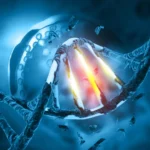
However, the new research indicates that the host’s germline genetics—the DNA inherited from parents—exerts a powerful influence over these acquired mutations. By analyzing nearly 600 tumors in a highly controlled laboratory setting, researchers found that while different genetic backgrounds might lead to the same biological outcome (a tumor), the pathway taken to reach that endpoint is genetically predetermined. This discovery bridges the gap between environmental exposure and individual biological response, offering a new framework for why some patients are resilient to DNA damage while others are highly susceptible.
A Decades-Long Collaboration: The Chronology of the Research
The study represents a massive, multi-year collaborative effort involving the University of Cambridge, the University of Edinburgh, and prestigious institutions across the United States and Europe. The project was spearheaded by a team of leading experts, including Professor Duncan Odom (formerly of the Cancer Research UK Cambridge Institute, now at the German Cancer Research Centre), Dr. Sarah Aitken of the Yale School of Medicine, and Professor Martin Taylor of the University of Edinburgh.
Phase 1: Establishing the Model
To isolate the influence of inherited genetics from the "noise" of human life—such as diet, socioeconomic status, and lifestyle variations—the researchers developed a rigorous mouse model. The team bred four distinct strains of mice, each with varying degrees of susceptibility to liver cancer. These strains were selected to mirror the genetic diversity found within human populations.
Phase 2: Controlled Exposure
At 15 days of age, each mouse was exposed to an identical, single dose of diethylnitrosamine (DEN), a potent liver carcinogen commonly found in processed foods and tobacco smoke. By keeping the dosage and the environmental conditions perfectly consistent, the scientists eliminated the variables that typically plague human studies, creating a "clean" experimental environment to observe how different genetic backgrounds reacted to the exact same DNA-damaging stimulus.
Phase 3: Genomic Sequencing and Reconstruction
Following tumor development, the researchers sequenced the genomes of nearly 600 individual tumors. They compared these to untreated mice to isolate spontaneous tumor formation. Using advanced computational techniques, the team reconstructed the evolutionary history of each tumor, tracing the development from the initial "driver" mutation through subsequent genomic shifts.
Supporting Data: The Mechanics of Tumor Evolution
The findings revealed a sophisticated interplay between inherited and acquired DNA. While all four mouse strains exhibited tumors that activated the MAPK pathway—a critical signaling sequence that governs cell growth—the internal machinery of those tumors looked remarkably different.
The Role of Genetic Background
Even though the tumors reached a similar "biological endpoint," the specific driver mutations used to reach that state varied significantly based on the mouse’s strain. In some strains, the genetic background predisposed the cells toward "whole-genome duplication," a catastrophic event where an entire set of chromosomes is copied. This suggests that the inherited genetic "terrain" makes certain types of evolutionary mutations more likely to occur than others.
Key Observations:
- Pathway Convergence: Despite diverse genetic backgrounds, tumors consistently utilized the MAPK signaling pathway, confirming its central role in carcinogenesis.
- Divergent Paths: The specific genomic "route" taken to activate the MAPK pathway was consistently associated with the inherited strain, proving that germline genetics constrain the evolutionary options available to a nascent tumor.
- Mutation Accumulation: The rate and type of acquired mutations were heavily influenced by the host’s background, suggesting that some individuals are genetically "wired" to handle DNA damage more effectively than others.
Official Responses: Insights from the Scientific Community
The study has been met with excitement by the oncology community, as it provides a mechanistic basis for the concept of "personalized" medicine.
Professor Duncan Odom, the study’s senior author, emphasized the shift in perspective: "Cancer does not arise entirely by chance. We’ve been able to show for the first time the extent to which genetic background influences both the mutation processes and the pathways leading to tumor development. It is the individual’s genetic background that dictates the road the tumor takes."
Dr. Sarah Aitken, the study’s first author, highlighted the long-term clinical goal: "If genetic background influences both cancer risk and the evolutionary trajectory of tumors, future cancer prevention and screening strategies will need to take into account inherited genetics and population diversity. We are moving toward a future where we don’t just treat the tumor; we treat the patient’s specific genetic context."
Dr. Sam Godfrey, research information lead at Cancer Research UK, added: "This study gives us a fascinating hint that our inherited genes might have a big influence on the way that cancers develop after DNA damage. While we must exercise caution in translating mouse models directly to human clinical care, this finding could change our fundamental understanding of how cancer starts, leading to more powerful and precise ways of tackling the disease."
Clinical Implications: The Future of Precision Oncology
The implications of this research are far-reaching, particularly for the fields of screening and treatment.
1. Tailored Screening Strategies
Currently, cancer screening often relies on age and broad risk factors. If scientists can identify the specific "genetic landscapes" that favor certain tumor evolutionary paths, screening could become hyper-personalized. Individuals with high-risk inherited profiles might be flagged for earlier or more frequent screening, focusing on the specific biomarkers associated with their genetic background.
2. Precision Treatment Selection
Perhaps the most significant clinical application lies in drug resistance. Cancer treatments—such as chemotherapy and targeted therapies—often fail because tumors evolve to bypass the drug’s mechanism. This research suggests that a patient’s germline genetics may make them more likely to evolve specific types of resistance. By understanding this, clinicians could anticipate how a tumor might attempt to "escape" treatment, allowing them to choose drug combinations that close off those evolutionary pathways from the outset.
3. Rethinking Population Diversity
The study serves as a strong argument for incorporating broader human population data into genomic research. If inherited genetics are a key factor in tumor evolution, then clinical trials and genomic databases must reflect the diversity of the human population to ensure that treatment strategies are effective across all genetic backgrounds.
Conclusion
While the transition from mouse models to human clinical trials remains the next critical hurdle, this study provides a foundational "roadmap" for future research. By proving that the inherited genome is a primary architect of tumor evolution, the researchers have moved the field one step closer to a new era of precision medicine—one where a patient’s unique genetic history is not just a footnote in their medical record, but the primary guide for their life-saving treatment. The research was made possible through the support of Cancer Research UK, the Medical Research Council, the European Research Council, and Wellcome.