








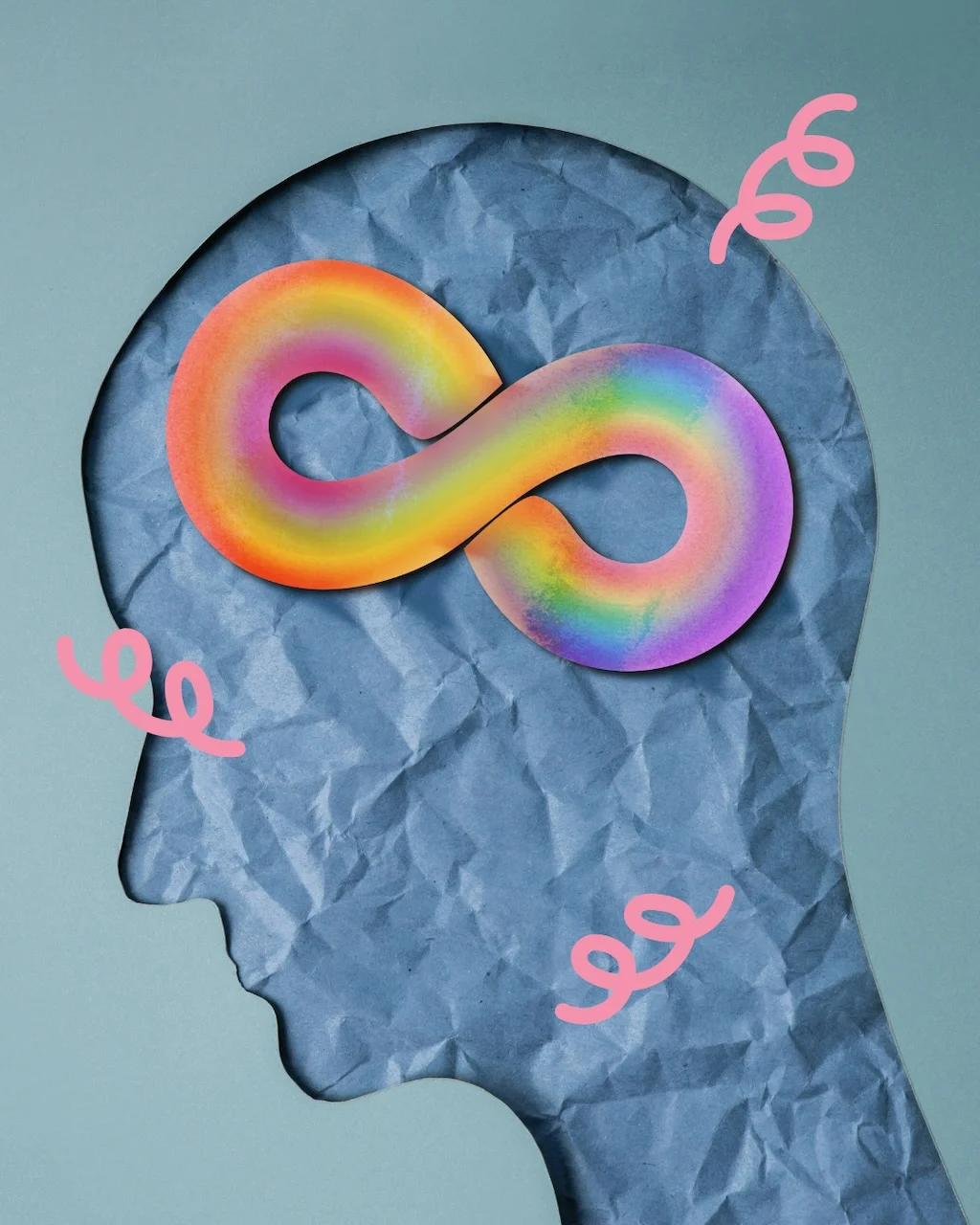
For many adults, the realization that they might be autistic does not arrive as a sudden epiphany, but rather as a slow-growing curiosity. It often begins in the quiet hours of the night—scrolling through forums, taking unofficial online screening tests, and beginning to connect the dots of a lifetime of feeling "different." For those living with chronic conditions, particularly Ehlers-Danlos Syndrome (EDS) and hypermobility spectrum disorders (HSD), this curiosity is statistically validated: research suggests that approximately 39% of autistic patients present with co-occurring hypermobility.
If you find yourself in the research phase, wondering if your life experiences align with the neurodivergent spectrum, you are not alone. The journey toward a formal evaluation is complex, emotionally taxing, and deeply personal. This guide serves to demystify that process, offering a roadmap for those seeking clarity.
Main Facts: Understanding the Intersection of Neurodivergence and Health
The medical community has historically focused on diagnosing autism in childhood, often overlooking the nuanced, adaptive behaviors of adults who have spent decades "masking." Masking, or the conscious or subconscious suppression of autistic traits to fit into neurotypical social norms, often leads to burnout, anxiety, and a sense of profound disconnection.
A critical, often overlooked, aspect of this journey is the physiological link between neurodivergence and connective tissue disorders. Clinical data increasingly highlights that the prevalence of EDS and HSD is significantly higher among autistic populations than in the general public. This is not merely a medical curiosity; it is a vital diagnostic clue. Professionals who are well-versed in the "autism-hypermobility" connection are often better equipped to understand the sensory processing differences and proprioceptive challenges that frequently accompany both conditions.
Chronology: The Roadmap to Assessment
The path from suspicion to diagnosis is rarely linear. It requires careful preparation and, frequently, a degree of self-advocacy.
Phase 1: The Preliminary Investigation
Before committing to a clinical appointment, many individuals utilize validated screening tools. While these questionnaires—such as the RAADS-R, the AQ-10, or the CAT-Q—are not diagnostic, they serve as a vital "compass." They help organize internal experiences into a language that clinicians recognize. During this phase, it is recommended to keep a journal of traits, sensory sensitivities, and social hurdles that have persisted from childhood into adulthood.
Phase 2: Provider Selection
This is perhaps the most critical step. Not all mental health professionals are trained to identify autism in adults, especially in those who have developed sophisticated compensatory strategies. A general therapist may lack the specific expertise required to parse out autism from complex PTSD or ADHD.
Tips for selection:
- Search criteria: Use specific queries like "adult autism assessment near me" rather than broad terms like "therapist."
- Verify expertise: Review the provider’s CV or website. Ensure that adult autism evaluation is a core competency, not a peripheral offering.
- Peer recommendations: Consult with individuals who have already navigated the diagnosis process. Their experiences can provide invaluable insights into a provider’s bedside manner and diagnostic thoroughness.
Phase 3: The Pre-Appointment Prep
Preparation is a powerful antidote to the anxiety of the evaluation process. By compiling a "self-summary" document, you ensure that you are not relying on memory in a high-pressure environment. Include childhood anecdotes, observations from family or friends, and a list of your specific struggles with sensory inputs or executive function. If you have any relevant medical history regarding hypermobility or chronic pain, bring that documentation as well.
Supporting Data: Why Clinical Awareness Matters
The current diagnostic landscape is evolving. The DSM-5 (Diagnostic and Statistical Manual of Mental Disorders, 5th Edition) provides the framework for assessment, but its application is an art as much as a science. When an evaluator is unaware of the link between EDS and autism, they may misattribute physical fatigue or sensory overwhelm to other conditions, leading to a "missed" diagnosis.
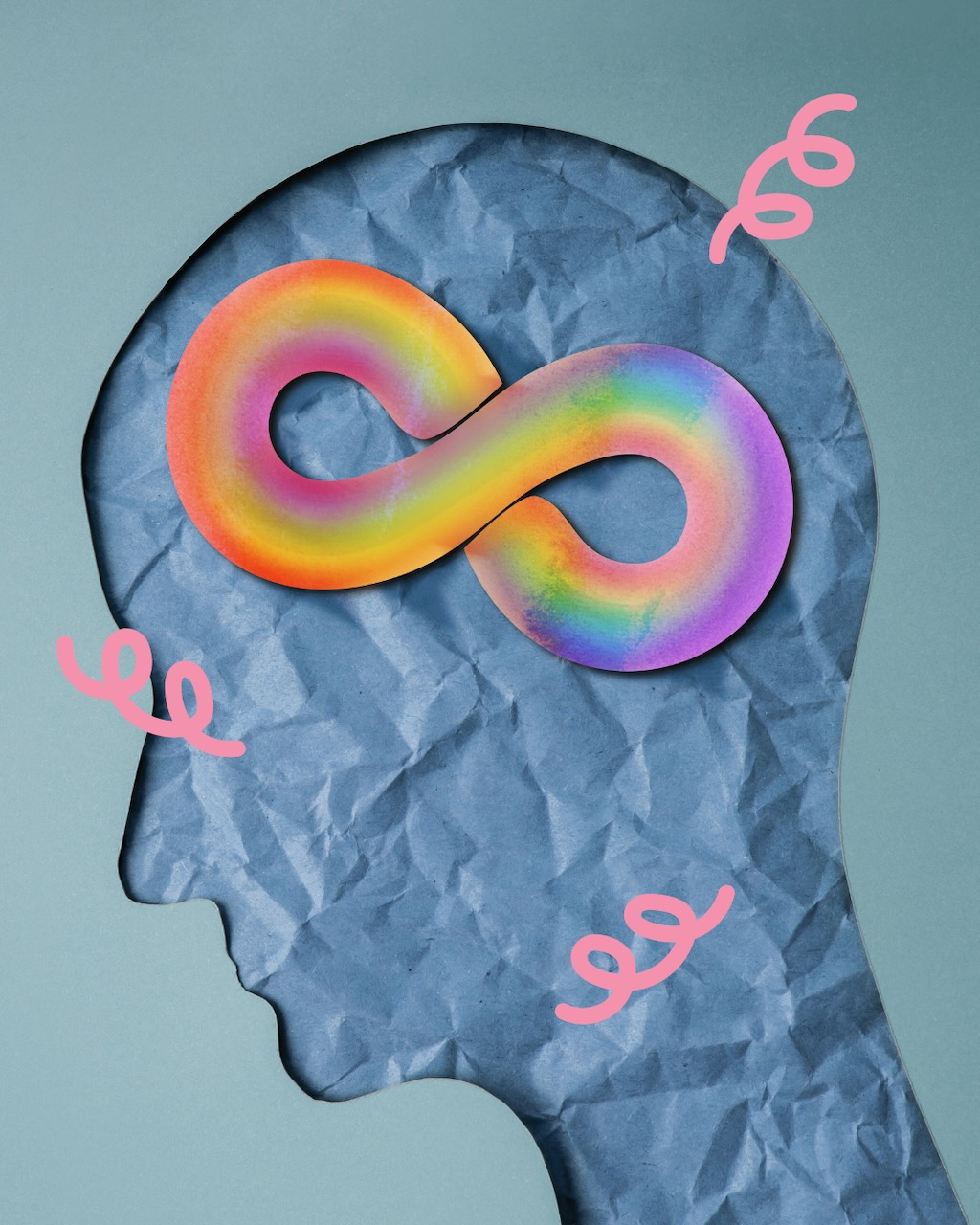
Research published in Frontiers in Psychology and referenced in clinical studies reinforces the correlation between hypermobility and neurodevelopmental conditions. A provider who acknowledges this data demonstrates a commitment to evidence-based, holistic care. If your evaluator is dismissive of this connection, it may be a sign that their diagnostic toolkit is outdated.
The Evaluation Day: What to Expect
An assessment is not a test you can "fail." It is a conversation designed to capture how you experience the world.
The Structure of the Session
Expect the evaluation to last anywhere from one to three hours, occasionally split across multiple appointments. You will likely walk through:
- Psychiatric and Medical History: A deep dive into your past, including developmental milestones and any previous mental health diagnoses.
- The DSM-5 Criteria Review: The clinician will assess your experiences against the established diagnostic markers. This may feel like a formal interview or a conversational dialogue.
- The "Why" Behind the "What": The clinician is interested in your internal process. For example, if you are asked about social interactions, focus on how you navigate them—are you following a mental script? Do you feel exhausted afterward?
Managing the Environment
The evaluation is an emotionally taxing event. It is essential to:
- Prioritize self-care: Clear your schedule for the remainder of the day.
- Bring sensory aids: If you use fidget toys, noise-canceling headphones, or a specific beverage for comfort, bring them. These tools are not distractions; they are necessary supports.
- Take breaks: If you feel yourself spiraling or becoming overwhelmed, ask for a moment to step away. A brief reset in the restroom can be the difference between a productive session and a shutdown.
Official Responses and Implications
What happens after the assessment? The outcome generally falls into one of three categories: a formal diagnosis, a non-diagnosis (or diagnosis of a different condition), or an inconclusive result.
It is important to remember that the report is a tool, not a verdict on your identity. Whether the result matches your expectations or challenges them, it remains a snapshot of a clinical interaction. If you receive a diagnosis, it may open doors to workplace accommodations, specialized therapies, or simply the peace of mind that comes with understanding your own neurology. If the result is not what you expected, it does not invalidate the reality of your lived experience or your struggles.
Implications for the Future
The journey does not end with the report. Post-diagnosis, many find that they must "re-parent" themselves, learning to accommodate their sensory needs rather than fighting them. This often leads to a higher quality of life, as the individual stops attempting to perform "wellness" by neurotypical standards and begins to build a life that aligns with their unique sensory and cognitive profile.
Key Takeaways for the Aspiring Neurodivergent Advocate
- Curiosity is a legitimate starting point: You do not need a professional’s permission to begin learning about your own mind.
- Vet your providers: A specialist with an understanding of adult presentations and comorbid conditions (like HSD/EDS) is non-negotiable.
- Prepare your narrative: A written summary of your life experiences is your best defense against "imposter syndrome" or being overlooked during the assessment.
- Prioritize recovery: The evaluation is an energy-intensive process. Plan for rest, hydration, and sensory comfort.
- Validation comes from within: A diagnostic report is a piece of paper. Your lived reality, your sensory needs, and your identity exist independently of the clinical process.
By approaching the assessment with preparation and self-compassion, you transform a potentially daunting clinical hurdle into an opportunity for profound self-discovery. Whether you are seeking a formal label or simply trying to understand why your world feels different, your journey toward self-awareness is valid and significant.
Author’s Note: The process of self-discovery is ongoing. If you are struggling, remember to reach out to community support groups and resources specifically designed for autistic adults. You are not the first to walk this path, and you do not have to walk it alone.