









Glioblastoma remains one of the most formidable challenges in modern oncology. As a primary brain tumor characterized by its aggressive nature and poor prognosis, it often defies conventional treatment strategies. Now, a groundbreaking study published in Microsystems & Nanoengineering has unveiled a hidden driver behind this lethality: the physical environment of the tumor itself.
Researchers from Chongqing General Hospital and Chongqing University have discovered that the fluid surrounding the edges of a glioblastoma is significantly more viscous than that found at the tumor’s core. Rather than acting as a simple barrier, this thick, syrupy microenvironment appears to "train" cancer cells, inducing structural and genetic adaptations that make them smaller, more flexible, and ultimately, more lethal.
Main Facts: A New Perspective on Tumor Aggression
For decades, the field of oncology has focused primarily on the "biochemical" drivers of cancer—the signaling pathways, genetic mutations, and proteins that command cells to divide uncontrollably. While these remain critical, the physical properties of the tumor microenvironment have been largely relegated to a secondary status.
The research team found that at the invasive front of a glioblastoma, the fluid viscosity is approximately eight times higher than in the necrotic (dead) center. Common logic would suggest that moving through such a thick, viscous medium would slow a cell down. However, the study revealed a paradox: exposure to this resistance triggers a profound cellular transformation.
By utilizing a state-of-the-art open microfluidic chip, the scientists observed that glioblastoma cells exposed to this environment for extended periods did not merely struggle; they adapted. They emerged as "super-migrators"—cells that were smaller, more malleable, and capable of navigating the tight, confined spaces of the brain’s extracellular matrix with increased velocity. This discovery suggests that the physical "thickness" of the brain environment is not just a hurdle for the tumor to overcome; it is an active participant in driving the metastatic process.
Chronology: Engineering a Breakthrough
The journey to this discovery began with the limitations of existing technology. Traditionally, scientists have studied cancer cell migration using enclosed microfluidic devices. While effective for short-term observations, these devices suffer from inherent flaws: they often starve cells of oxygen and nutrients, and the friction against the walls of the closed channels introduces mechanical biases that mask the true effects of fluid viscosity.
The Development of the Open Platform
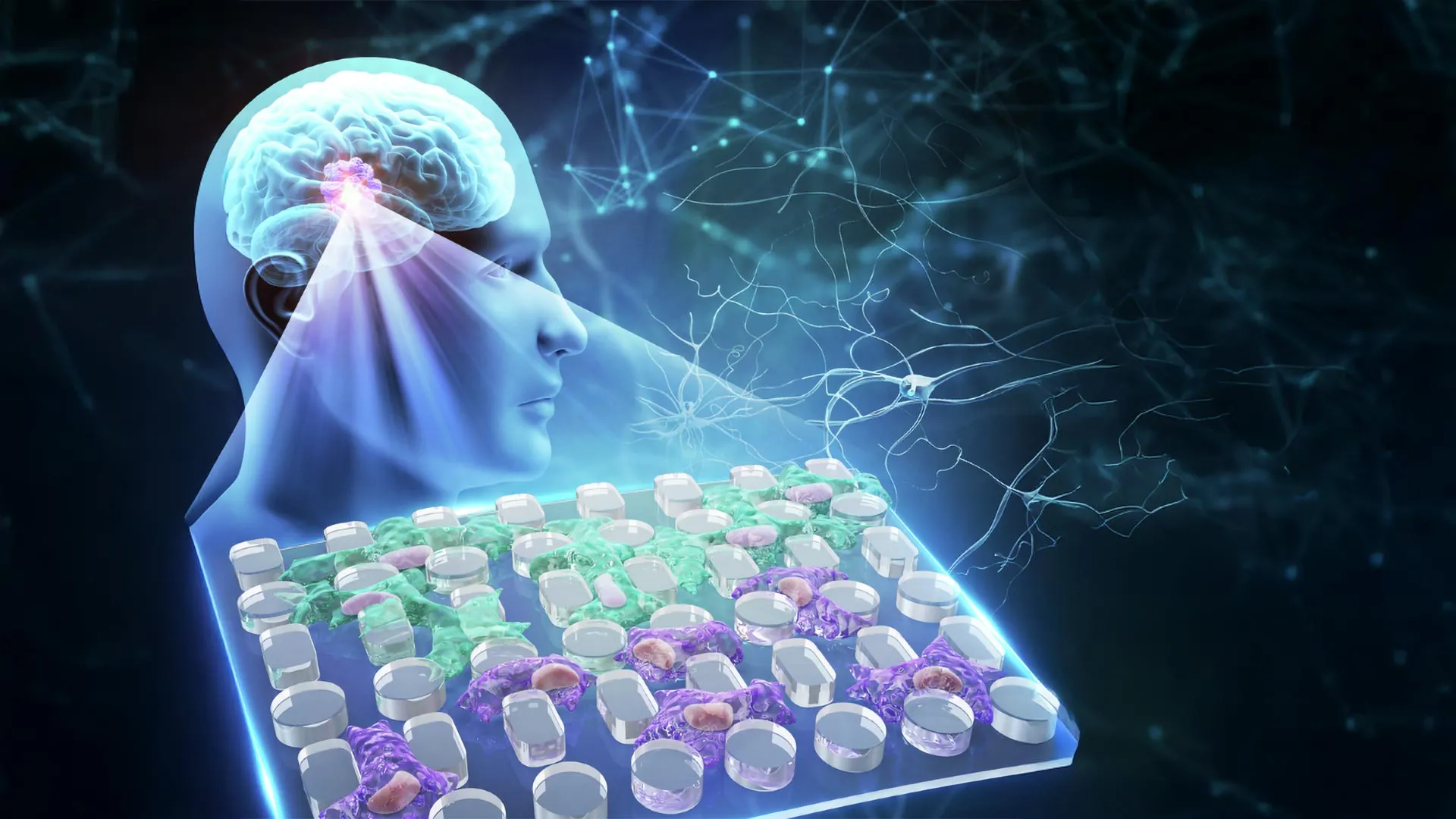
Recognizing these hurdles, the team in Chongqing set out to create an "open" microfluidic platform. Unlike its predecessors, this device features a two-layer membrane with a removable cap and an array of microscopic pillars. This design mimics the architectural complexity of the brain while allowing for long-term cell culture—up to one month—without the risk of clogging or nutrient depletion.
The Experimental Timeline
- The Baseline: Researchers established a control group of glioblastoma cells (U-251 and LN-229) grown in standard conditions.
- The Adaptation Phase: The experimental groups were cultured for four weeks in a fluid with a viscosity of 7.1 cP, specifically calibrated to mirror the invasive edge of a glioblastoma tumor.
- The Migration Test: Following this month-long exposure, the cells were introduced into the microfluidic chip to measure their navigational capabilities.
- The Molecular Analysis: Using Western blotting and genetic sequencing, the team examined the intracellular changes that occurred during the adaptation phase.
The results, documented in their recent publication, confirmed that the cells subjected to the viscous environment outperformed the control group in every metric of mobility and invasion.
Supporting Data: Cellular Memory and Structural Plasticity
The most startling revelation of the study is the concept of "mechanical memory." The researchers found that the adaptations developed by the glioblastoma cells were not fleeting responses to their environment; they were persistent changes that remained even after the cells were moved back into a normal, lower-viscosity fluid.
Structural Changes
Microscopic imaging revealed that the adapted cells underwent significant physical remodeling. They became smaller and developed a heightened ability to deform their nuclei—the largest and stiffest organelle in the cell—to squeeze through narrow gaps. This is a hallmark of highly invasive cancer cells, allowing them to traverse the dense, confined spaces of the brain parenchyma that would otherwise trap them.
The YAP Signaling Pathway
A key component of this adaptation is the protein YAP (Yes-associated protein). The team observed an accumulation of YAP within the nuclei of the adapted cells. YAP is a primary sensor of mechanical stress, known to trigger transcriptional programs that regulate cell shape and motility. Its presence confirmed that the cells were not passively experiencing the thick fluid, but were actively responding to it by altering their internal architecture.
Divergent Molecular Paths
The study highlighted a fascinating biological diversity. While both the U-251 and LN-229 cell lines became more invasive, they did so through different mechanisms:
- U-251 Cells: These underwent "mesenchymal-like reprogramming," activating specific genes associated with aggressive invasion, including CD44, FN1, and MMP9.
- LN-229 Cells: These cells prioritized physical flexibility over genetic changes, becoming mobile and malleable without a major overhaul of their gene expression profile.
This suggests that glioblastoma tumors may possess a "modular" approach to survival, using multiple different biological pathways to achieve the same lethal outcome.
Official Responses and Implications for Future Therapy
The research has sent ripples through the oncology community, as it provides a new target for drug development. Currently, most brain cancer treatments focus on chemotherapy or radiotherapy to kill cells directly. The discovery of mechanical adaptation suggests that we may need to develop "mechano-therapies."
Targeting the Adaptation Mechanism
The scientists suggest that drugs targeting YAP signaling, or therapies that stabilize the cytoskeleton to prevent cells from becoming more flexible, could potentially "de-train" the cancer cells. By preventing the cells from adapting to the viscous environment at the tumor’s edge, clinicians might be able to lock them in place, significantly slowing the spread of the disease.
A Versatile Tool for Research
The open microfluidic platform itself is a major contribution to the field. Because it can be integrated into standard multi-well plates and allows for long-term imaging and direct staining, it provides a scalable model for testing potential drugs. Researchers can now observe how experimental therapies interact with the mechanical adaptation process in real-time, providing a more accurate reflection of the tumor’s behavior within the patient.
Implications: The Future of Precision Medicine
The study concludes with a sobering but hopeful outlook. While these findings are currently confined to the laboratory, they fundamentally shift our understanding of glioblastoma. We can no longer view the tumor as a static mass; we must view it as a dynamic, responsive organism that "learns" from its environment.
If clinical studies confirm that these laboratory findings translate to human patients, we may soon see a new generation of diagnostic tests. By analyzing the viscosity profiles of a patient’s tumor, doctors could potentially predict how aggressive the cancer is likely to become and tailor treatment plans accordingly.
This research, supported by the Chongqing Research Center for Glioma Precision Medicine and numerous other prestigious institutions, marks a significant step forward. It underscores a vital, previously underexplored truth in cancer biology: the physical environment surrounding a tumor is not just a stage upon which the disease acts—it is a coach, a trainer, and a catalyst for the cancer’s most dangerous behaviors. As science continues to bridge the gap between mechanical engineering and oncology, we move closer to stripping glioblastoma of its most effective survival strategies.