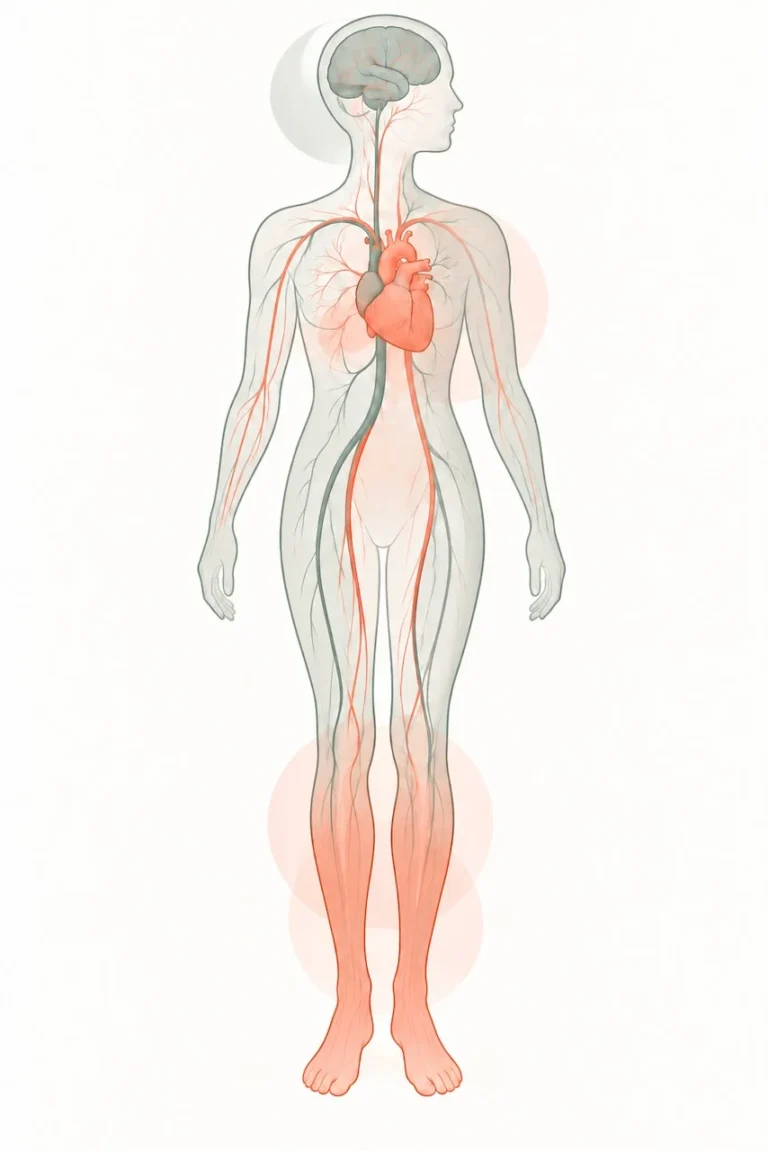












Receiving a diagnosis of Ehlers-Danlos syndrome (EDS) is often a watershed moment. For many, it represents the conclusion of a grueling “diagnostic odyssey”—years spent navigating dismissive medical appointments, unexplained chronic pain, and the erosion of self-trust. For others, it is a sudden, jarring introduction to a complex, multisystemic condition. Regardless of how one arrives at this diagnosis, the immediate aftermath is rarely a simple relief. Instead, it is the beginning of a complex, lifelong process of trial and error to determine which management strategies, lifestyle modifications, and therapeutic interventions will effectively improve quality of life.
The task of curating a management plan can feel overwhelming. With a vast array of potential treatments—from physical therapy and bracing to dietary changes and pharmaceutical interventions—patients are often left wondering where to begin. To provide clarity and shared perspective, we surveyed over 100 individuals living with EDS, asking a single, pivotal question: "What is one thing that has helped you most since being diagnosed?" The findings provide a roadmap for the newly diagnosed and a source of solidarity for the long-term community.
The Landscape of EDS Management: Key Findings
The results of our survey underscore a vital truth: there is no "one-size-fits-all" cure for EDS. Because the syndrome affects connective tissue throughout the entire body, it presents uniquely in every patient. However, certain pillars of support emerged consistently.
The Hierarchy of Support
When ranked by frequency, the responses highlight a clear trend: the most effective tools for EDS management are often those that provide structural, social, and psychological support rather than strictly pharmaceutical ones.
- Social & Peer Support: The highest-ranked item was community engagement. Finding "zebras"—the nickname for the EDS community—provides a vital lifeline of shared experience that is often absent in clinical settings.
- Specialized Medical Care: Access to physicians who understand the multisystemic nature of EDS and its common comorbidities, such as Postural Orthostatic Tachycardia Syndrome (POTS) and Mast Cell Activation Syndrome (MCAS), is considered a "unicorn" status by many patients.
- Targeted Physical Therapy: Unlike general fitness, EDS-specific physical therapy—often focusing on proprioception, isometrics, and stability—was cited as transformative.
Chronology: From Diagnosis to Sustainable Management
The journey of an EDS patient typically follows a non-linear path, often characterized by distinct phases of adaptation.
Phase 1: The Diagnostic Shock and Initial Stabilization
In the immediate post-diagnosis period, the focus is often on processing the chronic nature of the condition. Patients move from the frustration of "not knowing" to the challenge of "knowing." This phase often involves a flurry of medical appointments, the sudden realization of why past injuries occurred, and the emotional labor of reconciling one’s identity with a chronic disability.
Phase 2: The Trial-and-Error Period
Once the initial medical workup is complete, patients enter a phase of aggressive experimentation. This is where the data from our survey becomes most applicable. Patients begin experimenting with various mobility aids, dietary adjustments to mitigate MCAS, and specialized exercise regimens. This phase is characterized by "fine-tuning," where the goal is to identify triggers for flares and build a toolkit of interventions.
Phase 3: Integration and Advocacy
Over time, many patients move toward a phase of integration. They learn to listen to their body’s signals—the early warnings of a subluxation or a dysautonomic episode—and proactively adjust their lifestyle. At this stage, many also transition into roles of self-advocacy, educating their primary care providers or finding local support groups to mentor others who are just beginning their journey.
Supporting Data: Analyzing the Themes
To better understand the needs of the EDS population, we categorized the qualitative data provided by our 100+ respondents.
The Primacy of Community
The overwhelming majority of respondents identified community connection as their greatest tool. For those living in rural areas or those homebound by severe symptoms, the internet has bridged the gap, providing access to anecdotal evidence that is often years ahead of traditional clinical guidelines. The ability to share "what worked" regarding bracing or medication side effects provides a layer of peer-to-peer clinical intelligence that is invaluable.

The "Unicorn" Physician
A recurring sentiment was the difficulty of finding doctors who possess both the knowledge and the temperament to treat EDS. Patients emphasized that medical expertise is secondary to willingness. A physician who admits they are unfamiliar with EDS but is willing to read the latest literature and collaborate with the patient is often more valued than a specialist who is dismissive.
Mobility Aids and the Reclamation of Autonomy
Perhaps the most significant psychological shift noted in the survey was the movement away from shame regarding mobility aids. Whether it is a custom wheelchair, a neck brace, or compression garments, these tools are often perceived initially as "giving up." However, respondents consistently noted that once they accepted these aids as a means of maintaining independence rather than a sign of defeat, their quality of life improved drastically.
Official Perspectives and Medical Implications
While the patient experience is paramount, it is important to contextualize these findings within the broader medical framework.
The Role of Physical Therapy
Medical literature is increasingly validating the patient-led move toward "EDS-aware" physical therapy. Traditional "graded strength training" can, in some cases, cause more harm than good for those with hypermobility. Instead, the current gold standard focuses on:
- Proprioceptive Training: Improving the brain’s awareness of joint position to prevent overextension.
- Isometric Stabilization: Building muscle tone around joints without the high-impact stress of heavy lifting.
- Pelvic Floor and Core Stabilization: Addressing the foundational structural weaknesses inherent in connective tissue disorders.
The Pharmacological Frontier
While pharmaceuticals were lower on the list of "what helps," Low-Dose Naltrexone (LDN) stood out as a recurring recommendation. Though still being studied, its mechanism in modulating the immune system and reducing neuroinflammation makes it a frequent topic of discussion in chronic pain forums. However, experts reiterate that medication is a "bridge" to support functional movement, not a standalone solution.
Implications: Moving Forward
What do these findings mean for the future of EDS care?
- The Shift to Patient-Centered Care: The data suggests that clinical success in EDS is defined by the patient’s ability to manage their own symptoms. Doctors who act as consultants, rather than traditional "command-and-control" figures, foster better outcomes.
- Destigmatizing Adaptive Living: The medical community has a responsibility to normalize the use of mobility aids early in the diagnostic process to prevent the "shame cycle" that many patients report.
- Holistic Management: The inclusion of "emotional support animals," "validation," and "psychological acceptance" in the survey results points to a clear, unmet need: the mental health aspect of chronic illness must be treated with the same urgency as the physical symptoms.
Conclusion: You Are Not Alone
The journey with Ehlers-Danlos syndrome is undoubtedly difficult, but the data is clear: empowerment comes from knowledge, community, and the courage to advocate for one’s own needs. Whether you are currently testing a new bracing system, searching for a sympathetic specialist, or simply learning to pace your energy levels, you are part of a massive, resilient, and growing community.
As you navigate your own path, remember that the most "successful" management strategy is the one that allows you to live the life you want, on your own terms. Do not be afraid to trial, to fail, to pivot, and to find the tools that work for your specific, unique body.
Disclaimer: This article reflects the personal experiences and qualitative data of people living with Ehlers-Danlos syndrome. The information provided is for educational purposes only and does not constitute medical advice. Please consult with a qualified healthcare professional, ideally one with experience in hypermobility spectrum disorders, before implementing any new treatments, physical therapies, or medication regimens.
About the Author:
Tayler Goectau is a clinical research coordinator and disability advocate dedicated to bridging the gap between patient experience and medical research. For more insights on chronic illness advocacy, follow @distaaybled.