








Chronic pain is often incorrectly framed as an inevitable companion of the elderly or a temporary ailment that resolves with time. However, the reality is far more complex and pervasive. Whether one is a ten-year-old child navigating the classroom with fibromyalgia or a septuagenarian managing the compounded toll of multiple systemic illnesses, the experience of persistent pain is a universal human challenge that respects no age, demographic, or social boundary.
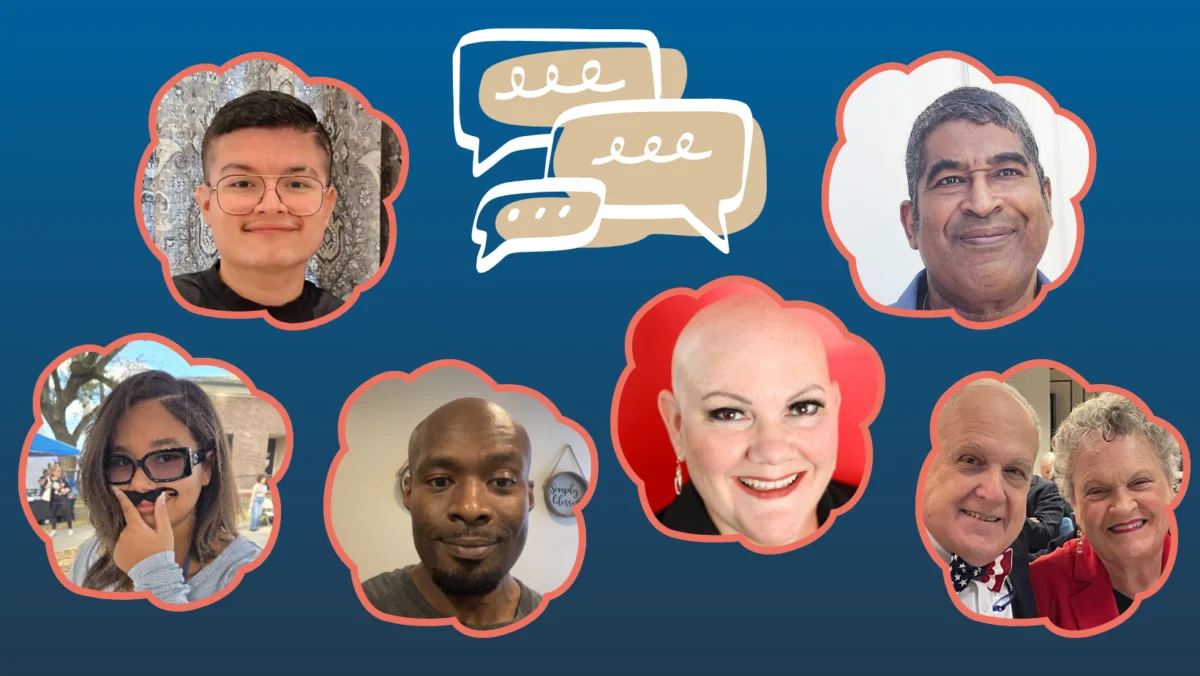
The U.S. Pain Foundation recently undertook a qualitative study, interviewing seven individuals ranging in age from 10 to 77. The goal was to dismantle the stereotypes surrounding chronic pain and illuminate the specific, often hidden, burdens faced at every stage of the life cycle.
The Chronology of Persistent Pain: A Lifelong Narrative
To understand the scope of chronic pain, one must view it as a chronological burden that shifts in form as the body matures.
Childhood: The Burden of "Unfairness"
For 10-year-old Amerie, who manages a complex portfolio of conditions including fibromyalgia, neuropathy, and chronic migraine, pain is not an "adult" issue—it is a childhood reality. Diagnosed as early as age two, Amerie speaks with a maturity born of necessity. "Sometimes living with pain at my age feels really unfair," she explains. For a child, the frustration lies in the disconnect between a willing mind and a failing body. The inability to participate in youth activities is not a choice; it is a physical barrier that carries deep emotional weight.
Young Adulthood: The Era of Advocacy
By the age of 22, the challenge shifts from navigating childhood to establishing identity. Mathiaz, who has lived with chronic pain for 14 years, finds that his primary obstacle is the dismissal of his symptoms. In his early twenties, peers and employers often view his need for rest or his slower pace as a lack of ambition. Mathiaz notes, "I’m having to speak up about my medical conditions… so others can understand my ‘whys’ and that it’s not just an excuse."
The Middle Years: Assessing the "Fallen Behind"
At 45, the narrative shifts toward social and professional comparison. Katy, who has navigated a shifting diagnosis of complex regional pain syndrome and fibromyalgia for over 16 years, describes a sense of mourning for the life she expected to lead. While friends spent their thirties building careers and families, Katy was managing the limitations of her physical health. This stage is marked by the realization that "you’re too young for that" has been replaced by the quiet, crushing weight of lost time.
Seniority: The Intersection of Aging and Illness
For 77-year-old Marianne, a care partner to her husband of four decades, the challenge is twofold: managing the acute pain of a loved one while navigating the natural degradation of her own aging body. The mundane tasks of daily life become insurmountable hurdles, illustrating that in the later stages of life, chronic pain is rarely an isolated variable; it is a factor that exacerbates the natural decline of the human frame.
Supporting Data: The Scale of the Crisis
The individual stories gathered by the U.S. Pain Foundation underscore a broader, national health crisis. According to recent public health data, chronic pain affects approximately one in every four adults in the United States. Despite its prevalence, it remains one of the most misunderstood and under-resourced segments of the healthcare system.
- Prevalence: Chronic pain is not merely a symptom of injury; for millions, it is a primary diagnosis.
- Economic Impact: The cost of chronic pain—in terms of direct medical expenses and lost productivity—totals hundreds of billions of dollars annually.
- Diagnostic Gaps: As seen in the cases of Christie (56) and Katy (45), many patients wait years or even decades for an accurate diagnosis, often being shuffled between specialists who treat individual symptoms rather than the systemic issue.
Professional Perspectives and Systemic Implications
The medical and social community is increasingly acknowledging that the "pain medication crisis" of the past decade has created a pendulum swing that often leaves legitimate chronic pain patients without adequate support.
Christie, who lives with Ehlers-Danlos syndrome, points to a systemic failure: "The medical system does not yet understand Ehlers-Danlos syndromes and their systemic-wide complexity." She argues that patients are frequently left to act as their own researchers, forced to navigate a fragmented healthcare environment that lacks standardized treatment pathways for complex, multi-systemic conditions.
Furthermore, there is a recurring theme of "invisible illness." Because chronic pain often leaves no outward sign of injury, patients are frequently subjected to suspicion. Reginald, 65, highlights a particularly damaging societal stigma: "Some still have an idea that we are drug abusers. That is not who we are. The majority of us suffer silently."
Implications for Future Care
The testimonies of these seven individuals point toward several necessary shifts in how society and medicine address chronic pain:
1. Moving Beyond "Productivity" Metrics
Society often equates human value with productivity. When a person is chronically ill, they are often sidelined or viewed as a burden. A cultural shift is required to recognize that human dignity exists independently of one’s ability to "keep up" with the standard pace of life.
2. Emotional Validation as Clinical Necessity
Patients are not just screaming for physical relief; they are demanding to be seen. The lack of validation from medical professionals, caregivers, and family members often causes as much trauma as the pain itself. Clinicians must be trained not only in pharmacology and physical therapy but in the empathetic management of chronic conditions.
3. Investment in Multidisciplinary Care
The "one-size-fits-all" approach to pain management—which has historically relied heavily on pharmaceuticals—must evolve. Patients like Christie emphasize the importance of healing habits: mindful meditation, breathwork, sleep protection, and nervous system regulation. These tools are not replacements for medical care but are essential components of a holistic treatment plan.
4. The Role of the Care Partner
As Marianne’s story illustrates, we cannot discuss the patient without discussing the caregiver. Care partners are often aging alongside those they care for, navigating their own health challenges while serving as the primary bridge between the patient and the outside world. Society must provide better resources and support for these individuals to prevent burnout and ensure the continuity of care.
Conclusion: A Call for Collective Empathy
Chronic pain is an equalizer. It touches the child in the classroom, the young professional in the office, and the retiree at home. The common thread among all those interviewed is a plea for understanding.
"I wish people would understand that chronic pain isn’t something I can turn off," says 10-year-old Amerie. This sentiment is echoed by every participant. Whether through better funding for research, more compassionate workplace and school policies, or simply a more open-minded approach to those who "look fine," society has a responsibility to listen.
The battle against chronic pain is an invisible war, but it is one that, with increased empathy and structural support, can be made significantly more manageable. We must stop viewing pain through the lens of age or productivity and start viewing it through the lens of human experience. As Matthew (33) noted, "No burden should be carried alone." It is time for the medical community and society at large to step up and share that burden.