











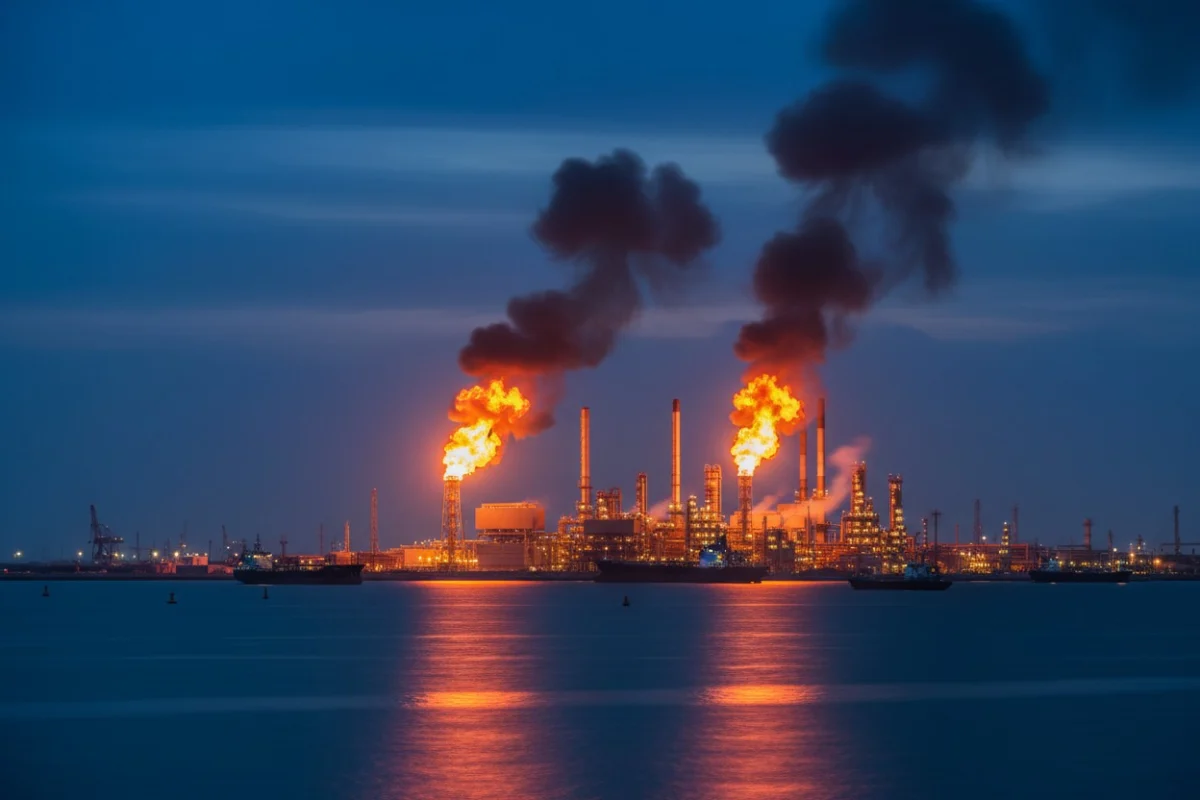
The fragile geopolitical architecture of the Middle East suffered a seismic fracture on September 8, as a sophisticated, coordinated barrage of missiles and drones struck the heart of Saudi Arabia’s energy infrastructure. The Jazan refinery, a crown jewel of the Kingdom’s Red Sea energy operations, was engulfed in flames, marking a sharp escalation in a regional conflict that threatens to choke off the world’s most vital oil supply arteries. As fires raged across multiple southern Saudi sites, the international community watches with growing alarm, recognizing that the conflict has moved beyond regional skirmishes into a systemic threat to global energy security.
The Strike: A Coordinated Assault
The attack, which began in the early hours of September 8, utilized what military analysts describe as a "saturation" strategy. By launching dozens of ballistic missiles and explosive-laden drones simultaneously across the cities of Jazan, Abha, Najran, and Khamis Mushait, Houthi forces effectively overwhelmed Saudi air defense systems.
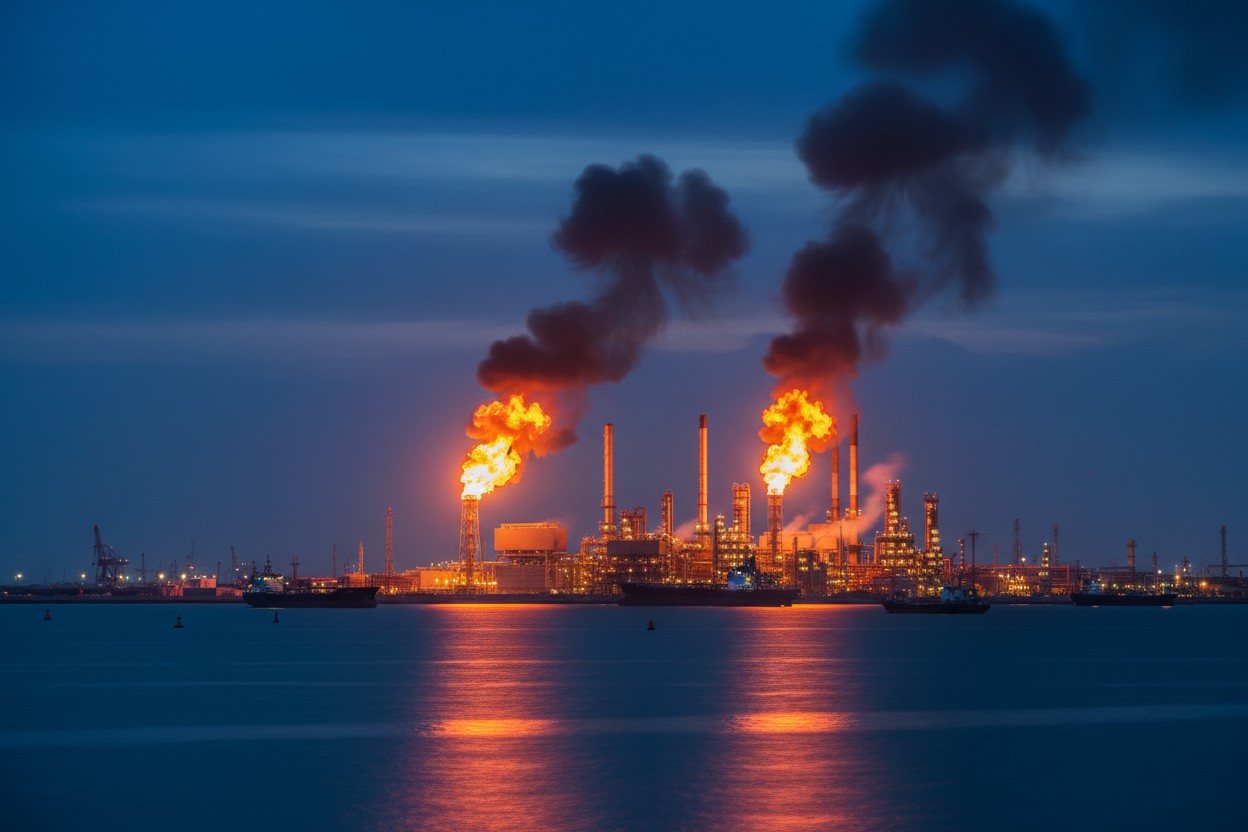
Satellite thermal imaging provided by NASA’s Fire Information for Resource Management System (FIRMS) confirmed the scale of the destruction. The data revealed a cluster of intense thermal anomalies concentrated at the Jazan refinery. Witnesses on the ground reported that the blaze continued to burn for several hours, with thick plumes of black smoke visible for miles. The refinery, located just 44 miles from the volatile Yemeni border, is not merely a production site; it is a strategic linchpin. By processing crude for export on the Red Sea coast, it serves as a critical bypass for Saudi Arabia, allowing the Kingdom to export oil without relying on the Persian Gulf and the increasingly hazardous Strait of Hormuz.
Chronology of Escalation: From Ceasefire to Conflagration
To understand the gravity of the September 8 attacks, one must look at the rapid deterioration of the regional security landscape over the past several months:
- 2022–2024: A period of relative stability held under a tenuous ceasefire, though skirmishes remained common.
- July 2026: Houthi leadership formally declares a maritime embargo against Saudi Arabia, citing a 12-year "oppressive siege" on Yemen.
- Late August 2026: Tensions peak as the Houthis align more closely with Iranian interests, mirroring the wider U.S.-Iran regional conflict.
- September 5–7, 2026: Intense ground combat erupts between Houthi fighters and Saudi-backed coalition troops across multiple Yemeni provinces.
- September 8, 2026: The large-scale drone and missile assault is launched. Houthi spokesman Brig. Gen. Yahya Saree characterizes the strike as a "legitimate response" to 121 Saudi air raids conducted over the preceding 72 hours.
This timeline marks the definitive collapse of the four-year truce, signaling that the Yemen conflict has been subsumed into a broader, more dangerous theater of regional war.
Supporting Data: The Anatomy of a Market Crisis
The economic fallout was instantaneous. Within hours of the news breaking, global energy markets reacted with characteristic volatility. Brent crude, the international benchmark, surged toward the $100 per-barrel mark, trading at approximately $98 by Tuesday afternoon—a dramatic $10 jump in less than two weeks.
Market analysts at OilPrice.com and major financial institutions suggest that this price action is not merely a knee-jerk reaction to a single attack. Instead, it reflects a fundamental re-pricing of risk. Participants in the energy market are now factoring in the potential for a "prolonged disruption" of shipping through the Bab al-Mandeb Strait.
Data regarding shipping logistics highlights the catastrophe:
- The Strait of Hormuz: Effectively closed to major traffic due to the ongoing U.S.-Iran maritime conflict.
- The Red Sea Route: Currently the only viable alternative, providing a path to the Suez Canal and European/Asian markets.
- The Vulnerability Factor: With the Jazan refinery sidelined, Saudi Arabia’s capacity to reroute oil is severely diminished. Any further successful strike on the Red Sea corridor would represent a "severed lifeline" for global energy consumers.
Official Responses and Military Posturing
The rhetoric from all involved parties suggests that a diplomatic off-ramp is not currently on the table.
The Saudi Position
The Saudi Ministry of Energy, in a statement posted to X (formerly Twitter), confirmed that "several energy sector facilities and installations in the southern region" were targeted, resulting in a "temporary halt in some operations." The tone from the coalition was significantly more bellicose. Maj. Gen. Turki Al-Maliki, the coalition spokesman, labeled the strikes a "blatant violation of sovereignty" and vowed that the Joint Forces Command would take all necessary "operational measures to deter this Terrorist Militia."
The Houthi and Iranian Stance
Brig. Gen. Yahya Saree maintained that the attacks were a direct retaliation for Saudi aggression. Simultaneously, in the wider Persian Gulf, the conflict escalated further. U.S. Central Command (CENTCOM) reported the destruction of five Iranian crude oil carriers after an attempted strike on a U.S. Navy warship. While Iran claimed the capture of a U.S. underwater drone, Washington dismissed the incident, labeling the equipment obsolete.
The political deadlock remains absolute. President Donald Trump has publicly committed to a policy of "defeating Iranian influence," while Iranian President Masoud Pezeshkian has vowed that Tehran and its proxies will continue their "resistance with full strength until the aggressors are brought to complete regret."
Strategic Implications: A Dual Chokepoint Crisis
The world is witnessing a "dual chokepoint" scenario that has no modern precedent. Historically, global markets could absorb the closure of one shipping lane by shifting capacity to another. However, with the Persian Gulf (Hormuz) and the Red Sea (Bab al-Mandeb) simultaneously compromised, the buffer that has protected the global economy from energy shortages is gone.
The Vulnerability of Infrastructure
The attack on the Jazan refinery proves that even high-tech Saudi defenses can be bypassed by "swarming" tactics. The Houthi capability to coordinate dozens of drones and missiles over hundreds of miles suggests a high level of technical sophistication, likely bolstered by external support. For Saudi Arabia, the geographic reality is inescapable: their refineries and pipelines are static, predictable targets, while their adversaries utilize mobile, low-cost, and high-impact weaponry.
Global Supply Chain Fragility
The ripple effects of these strikes extend far beyond the Middle East. Europe, which relies heavily on energy shipments transiting the Suez Canal, faces the prospect of winter energy insecurity. Asian markets, already dealing with complex supply chain issues, face rising inflation as shipping insurance premiums for the Red Sea skyrocket.
Conclusion: The New Normal of Volatility
The events of September 8 represent a permanent shift in the regional security paradigm. The "fragile arrangements" that have allowed energy to flow during the previous decade of conflict have been shattered. With 73 civilians injured and major industrial sites in flames, the humanitarian and economic costs are mounting.
As the conflict broadens, the international community is left to contemplate a grim reality: the era of relative energy stability in the Middle East has ended. The combination of Houthi tactical agility, Iranian strategic alignment, and the vulnerability of the Red Sea maritime corridor creates a high-stakes environment where any single event—a drone strike, a naval skirmish, or a failed diplomatic overture—could trigger a global economic shock. For now, the world remains in a state of high alert, waiting to see if the fires at Jazan are the start of a regional conflagration or the beginning of a long, sustained struggle for control over the world’s remaining energy lifelines.