









The landscape of sleep medicine in the United States is undergoing a significant digital transformation. For millions of Americans suffering from Obstructive Sleep Apnea (OSA)—a chronic condition characterized by repeated interruptions in breathing during sleep—the path from a clinical diagnosis to receiving life-altering therapy has historically been fraught with administrative bottlenecks, fragmented communication, and significant delays.
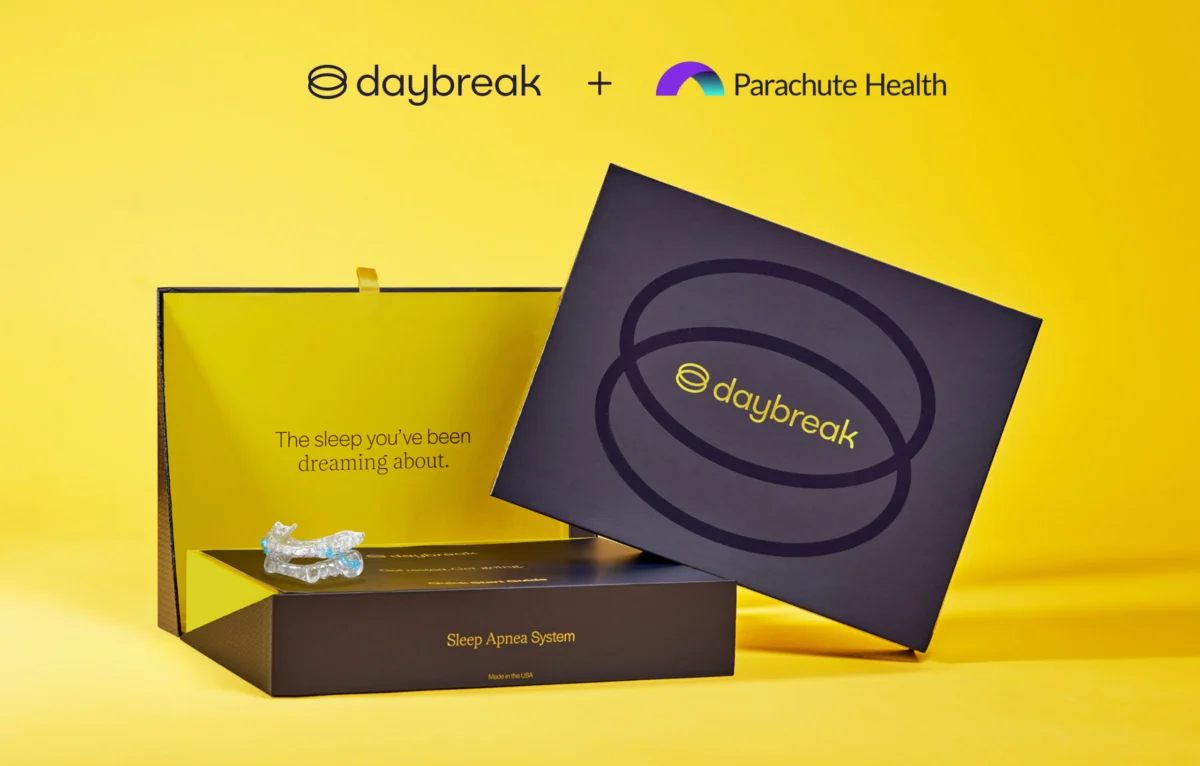
In a move designed to dismantle these barriers, Daybreak, a leader in at-home diagnostic and treatment solutions for sleep disorders, has announced a strategic integration with Parachute Health, a prominent e-prescribing platform for home medical equipment (HME). This collaboration aims to modernize the referral process, turning a historically manual, multi-step ordeal into a frictionless digital workflow. By embedding Daybreak’s therapeutic solutions directly into the platforms already used by hundreds of thousands of clinicians, the integration promises to accelerate the delivery of care and improve patient compliance nationwide.
The Main Facts: Simplifying the Referral Pathway
The core of this partnership lies in the integration of Daybreak’s services into the Parachute Health ecosystem. Parachute Health has established itself as a digital "control tower" for HME, connecting clinicians, health systems, and equipment suppliers. By bringing Daybreak into this network, the partnership addresses the "last mile" problem in sleep medicine: the transition from a physician’s diagnosis to the actual delivery of a therapeutic device.
For the first time, Daybreak’s end-to-end solutions—which include at-home diagnostics and its FDA-cleared mandibular advancement devices—are now accessible to over 300,000 clinicians and prescribers, 3,000 HME provider locations, and 70,000 facilities and health systems across the country.
When a physician diagnoses a patient with OSA, they can now initiate a referral to Daybreak through the same digital interface they use for other equipment orders, such as oxygen concentrators or wheelchairs. This eliminates the need for fax machines, paper forms, and the weeks of follow-up phone calls that have long characterized the sleep medicine referral process.
Chronology of the Shift: From Fragmented Care to Digital Integration
To understand the importance of this development, one must look at the traditional, often stagnant, timeline of an OSA diagnosis:
- The Traditional Era: Historically, a patient would undergo an in-lab sleep study, wait for the results, receive a referral to a sleep specialist, and then navigate a separate process to order a CPAP or oral appliance through an HME provider. This "siloed" system often resulted in a 4-to-8-week lag between the initial consultation and the arrival of a treatment device.
- The Rise of At-Home Diagnostics: Over the past decade, the industry moved toward home sleep testing (HST), which reduced the initial barrier to entry. However, the administrative burden of prescribing remained largely unchanged, as the "handoff" from the doctor to the equipment supplier remained manual.
- The Parachute Health Paradigm: Parachute Health entered the market to provide a unified electronic platform. By standardizing the way prescriptions are generated, signed, and transmitted, the platform began to reduce "time to fill."
- The Daybreak Integration (Present Day): By joining forces with Parachute, Daybreak has effectively moved from being a standalone service to an integrated component of the standard clinical workflow. The transition is now immediate: once the clinician clicks "order" in the Parachute platform, the data is routed to Daybreak, triggering the dispatch of an impression kit for a custom-fit oral appliance.
Supporting Data: Why Streamlining Matters
The necessity of this integration is underscored by the clinical and economic realities of OSA. According to the American Academy of Sleep Medicine (AASM), nearly 30 million adults in the United States have obstructive sleep apnea, yet the vast majority remain undiagnosed or undertreated.
The consequences of this "treatment gap" are severe. Untreated OSA is linked to a higher risk of hypertension, type 2 diabetes, cardiovascular disease, stroke, and motor vehicle accidents caused by excessive daytime fatigue.
Key Challenges addressed by the integration:
- Administrative Friction: Studies indicate that administrative burden is the leading cause of "referral leakage," where patients simply stop trying to obtain treatment because the process is too complex.
- Time-to-Therapy: In the traditional model, the time from the first physician visit to the first night of therapy can take months. Digital integration aims to slash this timeline to days, significantly increasing the likelihood that a patient will successfully adopt the therapy.
- Accuracy and Compliance: Digital prescriptions are less prone to transcription errors, and by automating the documentation of medical necessity, the integration ensures that insurance claims are processed more efficiently, reducing the risk of payment denials for HME providers.
Official Perspectives: Leadership on the "Digital Handshake"
The leadership teams at both Daybreak and Parachute Health emphasize that this integration is not just a technical update; it is a fundamental shift in the philosophy of patient care.
"Obstructive sleep apnea remains widely underdiagnosed and undertreated in the US, in part because the path from testing to treatment has historically been fragmented across multiple systems and providers," says Wesley Lones, founder and CEO of Daybreak. "By joining Parachute Health, it continues our broader mission to increase access to care, shorten time to treatment, and simplify a therapy pathway that has long been disjointed for both patients and the providers who treat them."
The operational benefits are equally highlighted by Eric Mongeau, chief commercial officer of Daybreak, who notes the efficiency gains for the average clinician. "Physicians already place HME orders through Parachute’s platform as part of their normal workflow, so a sleep apnea referral to Daybreak now works the same way," Mongeau stated. "E-prescribing through Parachute Health turns what used to be a multi-day back-and-forth into a streamlined digital process."
From the platform side, Rob Boeye, EVP and commercial leader of HME at Parachute Health, views the integration as a natural evolution of their platform’s mission. "Parachute strives to decrease the friction between prescribers, HME providers, and patients through our digital workflows. We are pleased to make Daybreak available to prescribers utilizing our platform," Boeye noted in the official press release.
Implications for the Future of Sleep Medicine
The implications of this partnership extend far beyond the immediate convenience for doctors and patients.
1. Scaling Oral Appliance Therapy (OAT)
Oral appliance therapy has long been seen as a viable alternative to CPAP for patients with mild to moderate OSA, yet it has faced barriers in scaling due to the complexity of fitting devices. By digitizing the order process, Daybreak is essentially "productizing" the service, making it as easy to prescribe a custom dental device as it is to order a pair of crutches.
2. Standardization of Care
The integration forces a level of standardization that the sleep industry has lacked. When prescriptions are generated through a digital workflow, they must meet specific data requirements. This creates a more consistent "standard of care" across different states and health systems, reducing the variability in how OSA patients are managed.
3. The Future of Value-Based Care
As the healthcare system moves toward value-based care—where providers are paid based on patient outcomes rather than the volume of services—the ability to track and improve adherence becomes paramount. Because this system is digital from start to finish, it provides a foundation for better data collection. Providers will eventually be able to see, in real-time, how many patients successfully started therapy and how their outcomes progressed, creating a feedback loop that was previously impossible.
4. Expanding the Reach of HME Providers
For HME providers, this integration is a lifeline. By simplifying the receipt of clinical documentation, HME companies can reduce their internal overhead and focus more on patient support and education. As the administrative burden of "chasing paperwork" decreases, these providers can scale their services to meet the growing demand for sleep health solutions.
Conclusion: A New Standard for Accessibility
The integration between Daybreak and Parachute Health represents a maturation of the digital health sector. It moves the industry past the "hype" phase of virtual care and into the "utility" phase, where the focus is on integrating specialized solutions into the core infrastructure of the American medical system.
By turning the cumbersome, manual, and often error-prone referral process for OSA into a seamless, automated, and electronic exchange, this partnership does more than just save time; it saves lives. By making it easier for clinicians to prescribe and for patients to receive treatment, the digital workflow is effectively lowering the threshold for what it means to be a "treated" patient. As the platform goes live, the medical community will be watching closely to see how this reduction in friction impacts long-term adherence rates and, ultimately, the overall health of the millions of Americans navigating the challenges of obstructive sleep apnea.